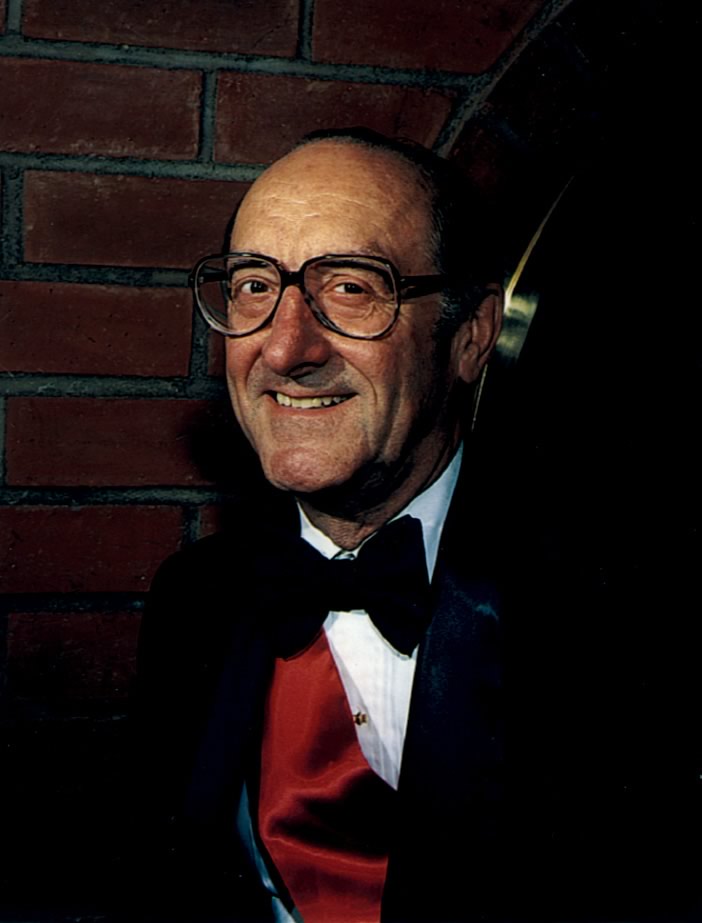
“CPR is a lifesaving treatment that’s used when an individual’s heart either stops beating or is in an irregular rhythm that results in little to no blood circulation,” said Keenan Johnson, president of Miners in Space in 2012 and a 2014 computer engineering graduate. “As space flight duration increases and the general populace starts to journey into space, the likelihood of an event should drastically increase, and is almost inevitable.”
]]>
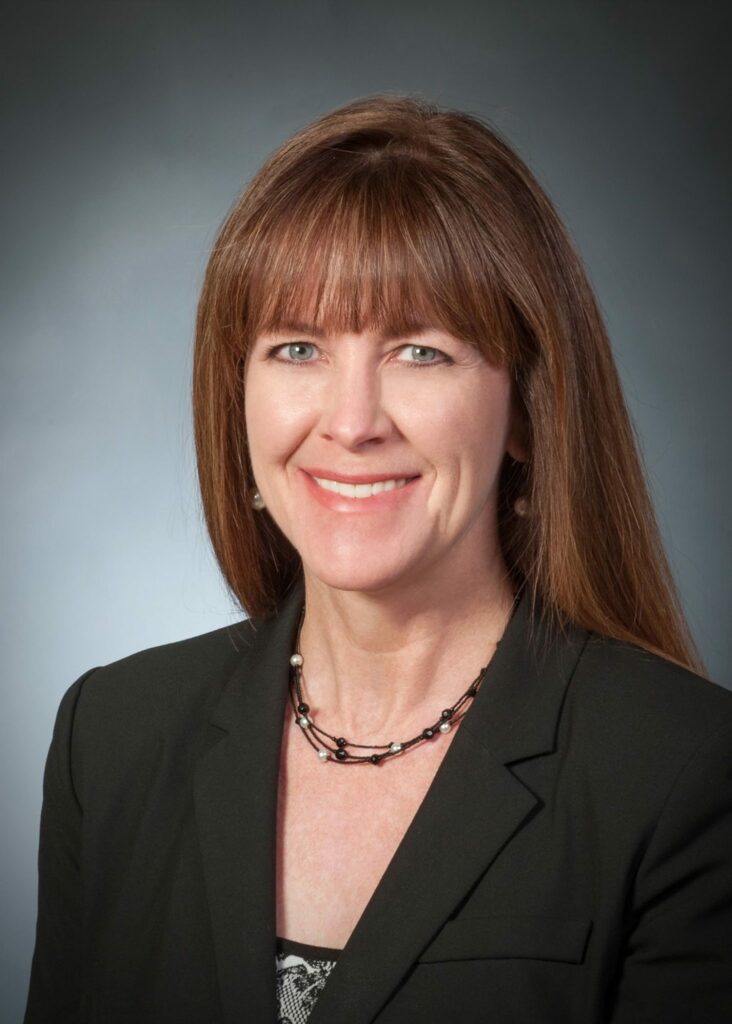
“We choose to go to the moon in this decade and do the other things,” President John F. Kennedy said in 1962, “not because they are easy, but because they are hard.” No wonder, then, that a Miner played a major role in doing the hard work of ensuring a moon landing before the end of the ’60s. As an administrator in NASA’s Office of Manned Space Flight from 1963-1969, George Mueller, a 1939 electrical engineering graduate, was responsible for overseeing the completion of Project Apollo. That task involved what the space agency calls “a remarkable series of management challenges … during a time when strong leadership and direction were critical to achieving success on a set of extraordinary goals.” Mueller established what came to be called the “all up” philosophy of rocket and spacecraft testing – an approach that dramatically reduced the number of tests it would take for a manned moon landing. Mueller’s philosophy made the Apollo 11 moon landing mission possible.
]]>
Janet Kavandi, former deputy director at NASA’s Glenn Research Center and a NASA astronaut, has logged more than 33 days in space, traveling more than 13.1 million miles in 535 Earth orbits. Kavandi, who earned a master’s degree in chemistry from S&T in1982, was inducted into the U.S. Astronaut Hall of Fame as a part of the Class of 2019.
]]>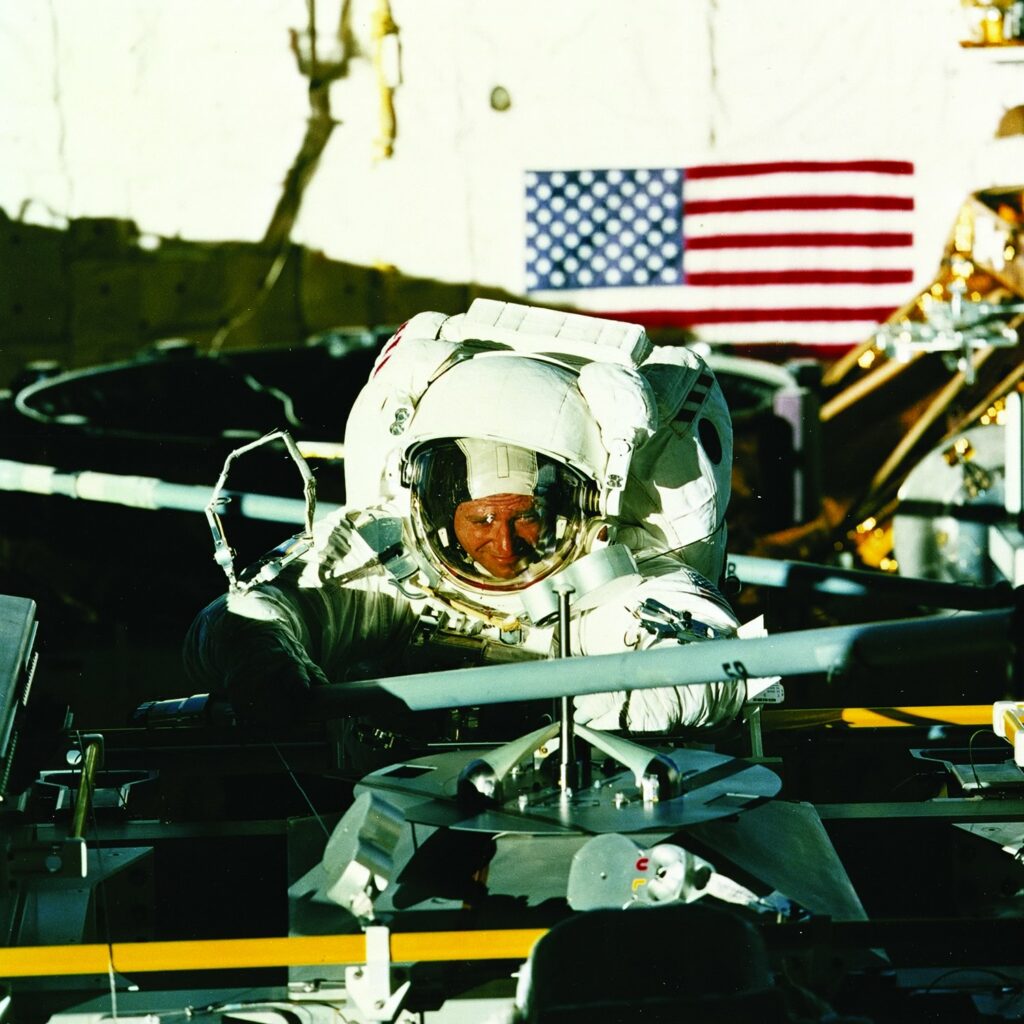
Col. Thomas Akers, Math’73, MS Math’75, has logged more than 800 hours of space flight and 29 hours of space-walking experience. He was selected for NASA’s astronaut program after joining the Air Force and was a mission specialist on four space flights – including on the Discovery, Endeavour and Atlantis. Following his career in the Air Force, Akers returned to his alma mater and taught math at S&T for 11 years before retiring in 2010.
Akers earned a bachelor’s degree and a master’s degree, both in mathematics, from S&T in 1973 and 1975, respectively.
]]>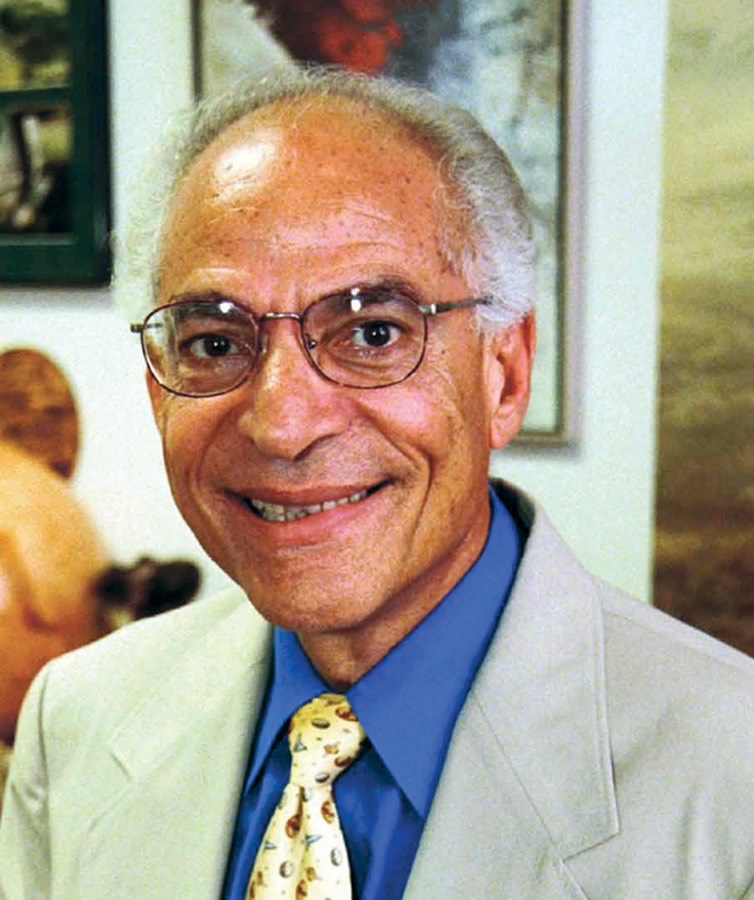
In 1967, Farouk El-Baz, was appointed by NASA as secretary of lunar landing site selection and chairman of astronaut training in orbital observations and photography. He helped NASA officials determine where the Eagle would land on the moon in 1969. El-Baz’s role was chronicled by Tom Hanks in the TV series From the Earth to the Moon, in a segment titled: “The Brain of Farouk El-Baz.” In addition, the name El-Baz was immortalized on a shuttlecraft in the TV series Star Trek: The Next Generation, and NASA named a newly discovered asteroid after in 2019 in recognition of his outstanding scientific contributions.
The Egyptian scientist holds a bachelor’s degree in chemistry and geology from Ain Shams University. He earned a master’s degree and a PhD in geology and geophysics from S&T in 1961 and 1964, respectively.
In 1986, El-Baz joined Boston University to establish and direct the Center for Remote Sensing. He developed methodologies for applying space-born data to scientific research efforts in geology, geography and archaeology. His work resulted in the location of groundwater resources in the Western Desert of Egypt, the Rajasthan of India, in Darfur of northwestern Sudan, the Sultanate of Oman, the Northern United Arab Emirates and Republic of Chad.
]]>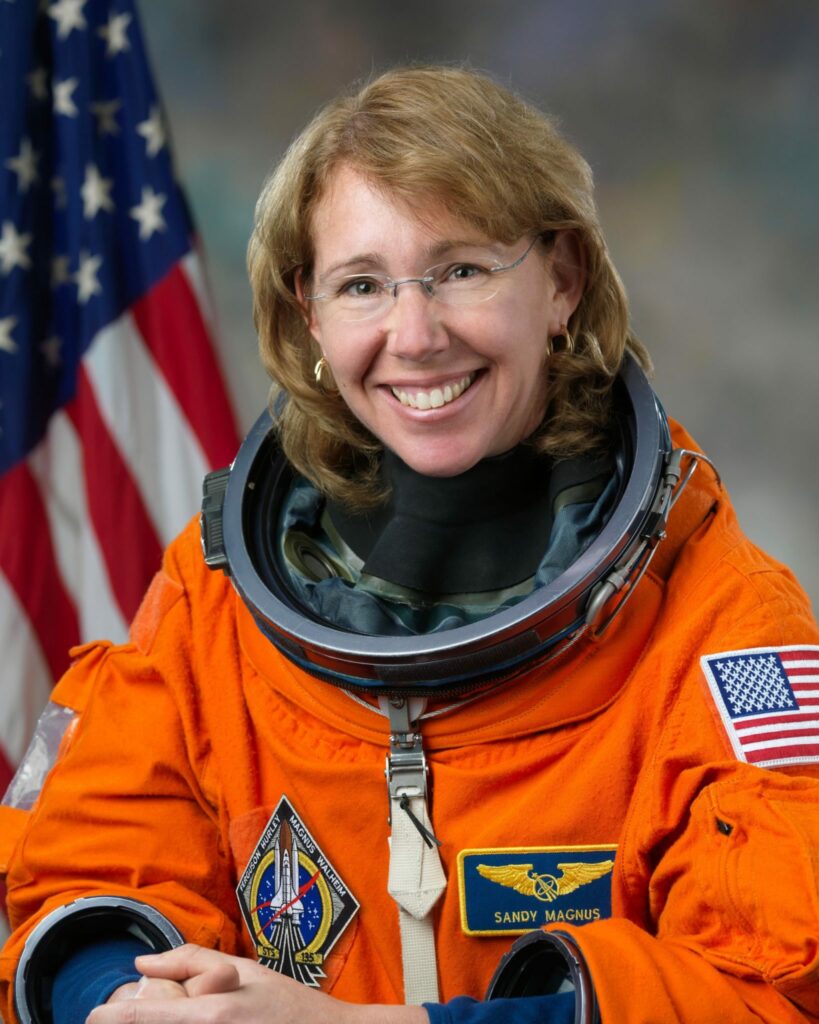
Sandra “Sandy” Magnus has been part of three space flights and spent more than four months in space during her career at NASA. She joined NASA in 1996 and spent 11 days in space in 2002. During that trip to the International Space Station, she operated Space Shuttle Atlantis’ robotic arm. Magnus earned a bachelor’s degree in physics and a master’s degree in electrical engineering from S&T in 1986 and 1990, respectively.
]]>