
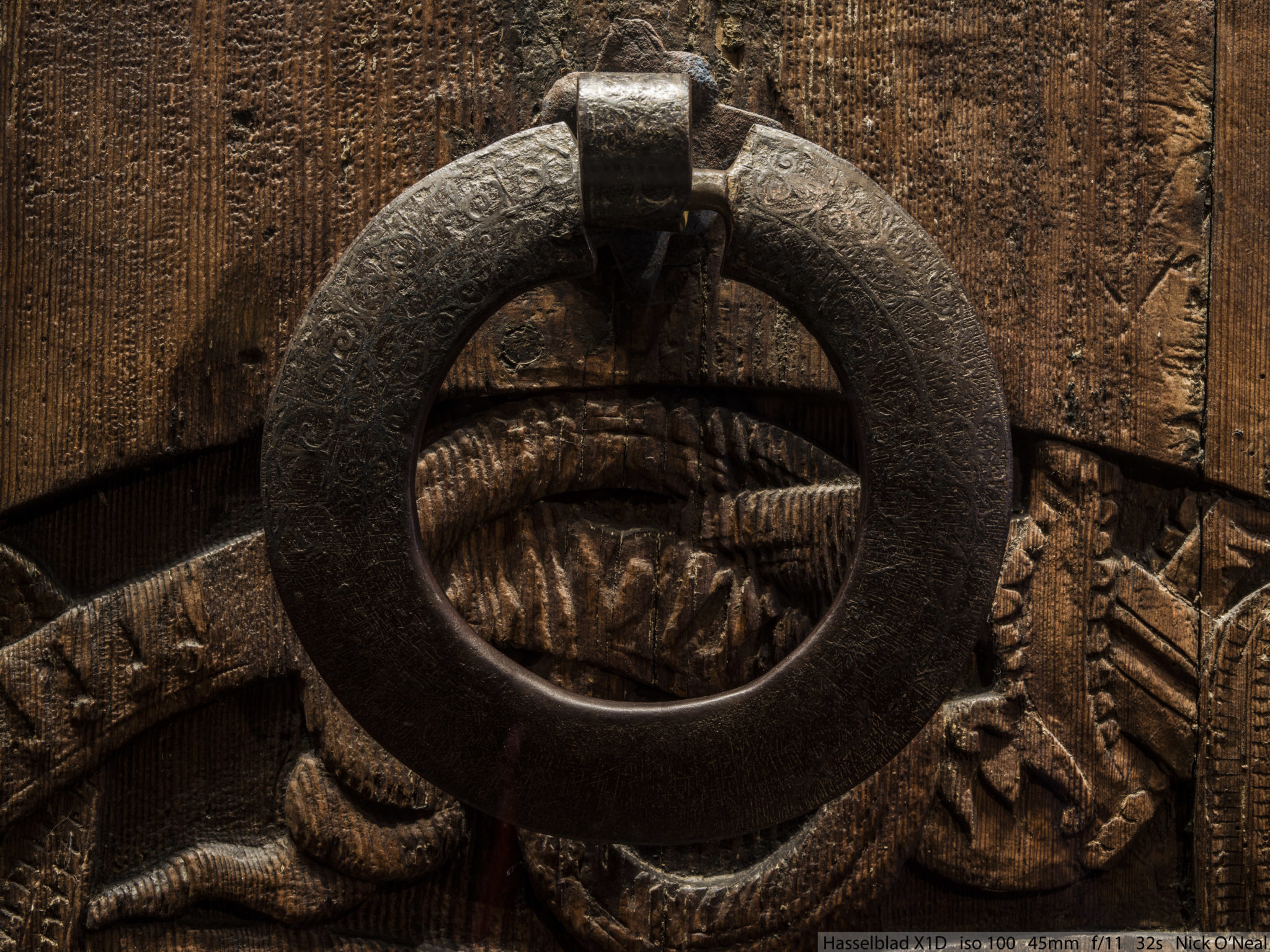
Iceland has a large host of excellent museums. Normally I am not a huge fan of museums, but in Iceland, I found every single museum that I visited quite interesting. The first, and likely my favorite, museum I would like to talk about is the National Museum of Iceland. This museum goes through the entire history of Iceland, from the early settlement period in 800 AD to modern times, with wonderful artifacts for each 200 year period. Below is a picture of my favorite artifact, an 800 year old wooden door with a metal handle. This used to be a door used on many churches back in the day. The photo was taken through glass at f/11 with a tripod and 32 second exposure.
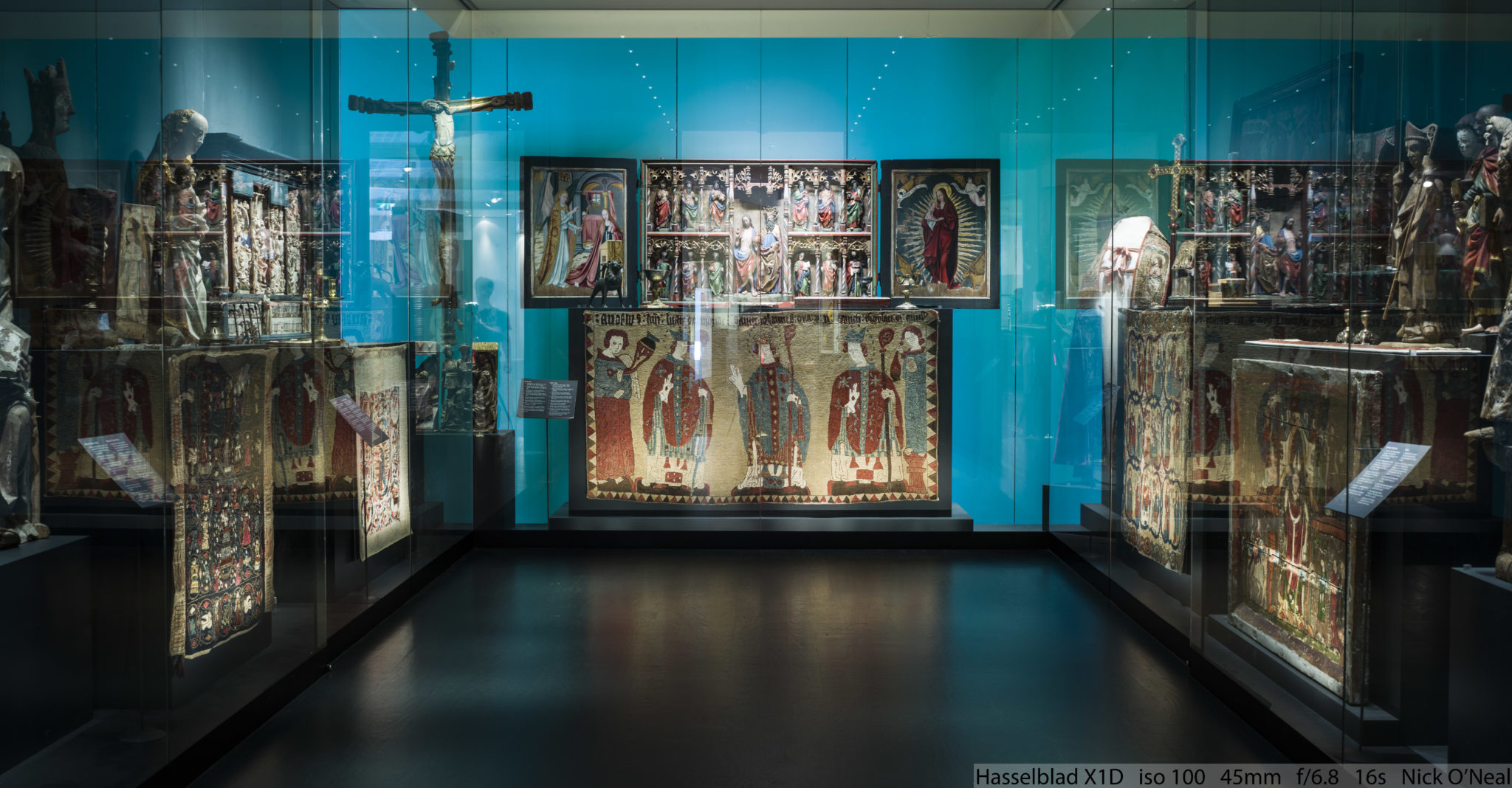
This National Museum of Iceland also contained a Christianity exhibit. The introduction of Christianity in Iceland started in 1000 AD onwards. Because Christian priests would take such good care of robes and relics, only bringing some out for use during certain ceremonies, there are Christian fabric artifacts that are still intact.
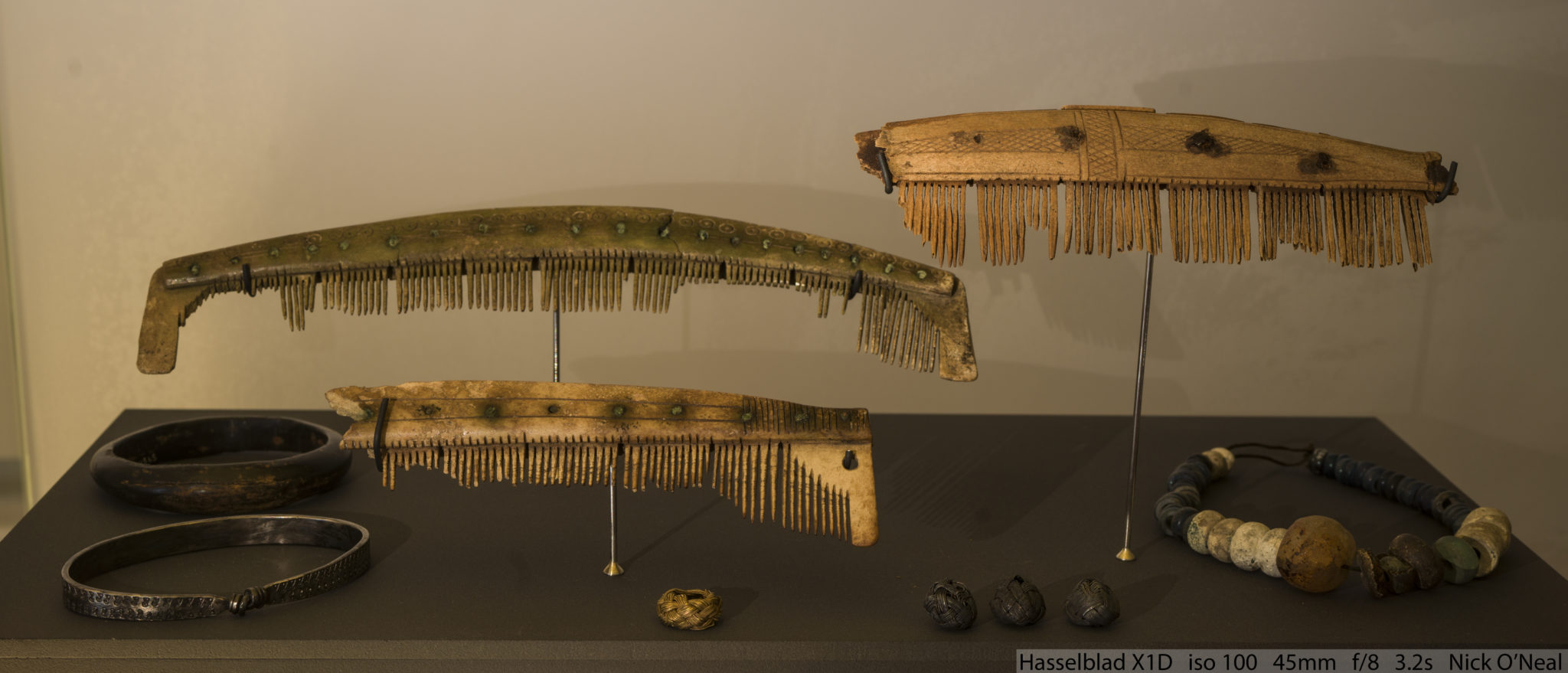
The image below is of some ancient combs made out of bone. I liked the textures of them.
The Culture House is another wonderful museum in Iceland. Both the National Museum of Iceland and the Culture House are connected in ownership, so if you pay for one museum, you are given a free pass for the other. Unlike the National Museum of Iceland, which contains historical artifacts, the Culture House contains more recent day informational exibits such as an exibit on the extinction of the great Auk, and modern art exibits. Below is a work of modern art as an example.
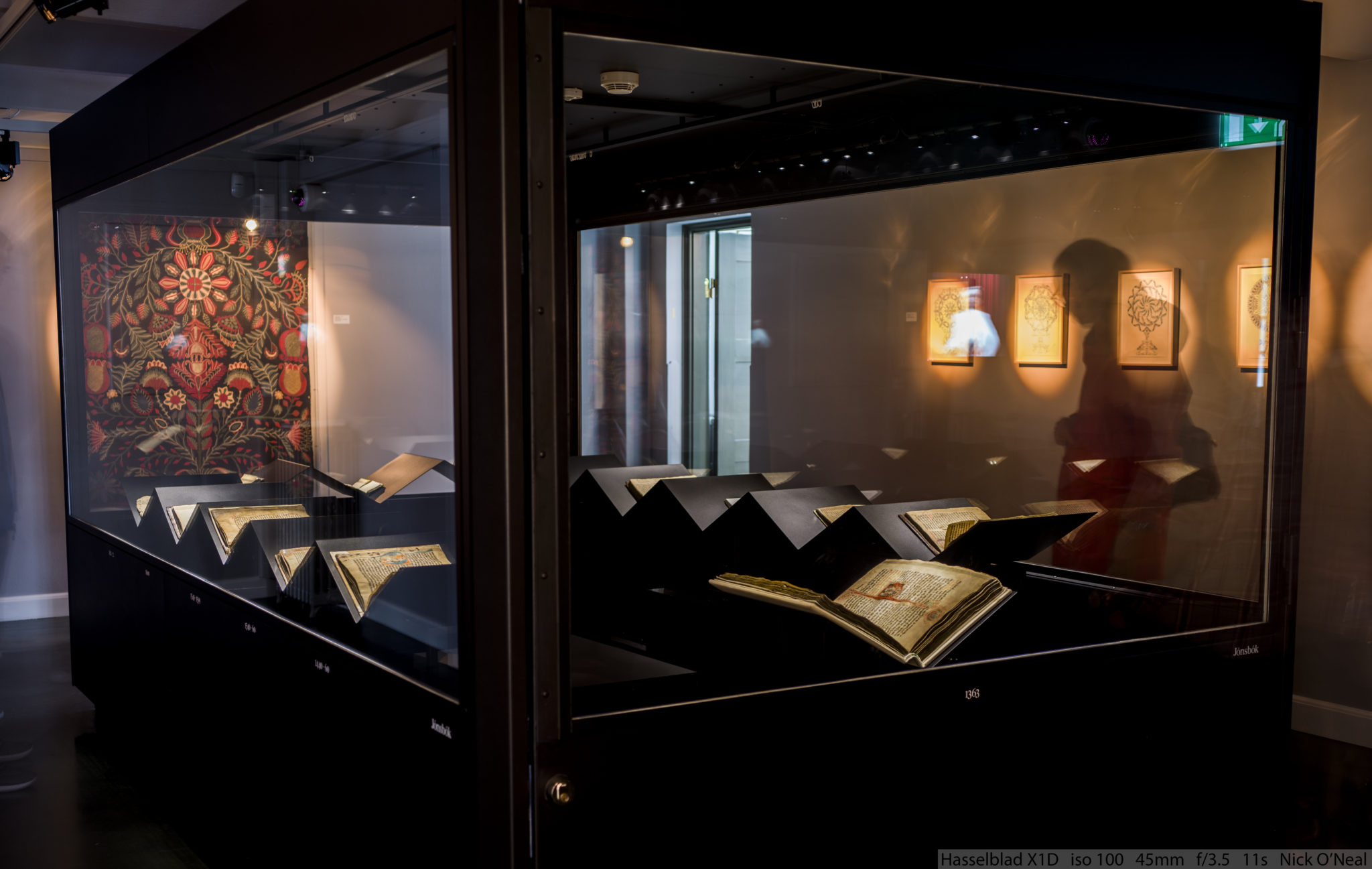
My favorite exhibit in the Culture House was the manuscript exhibit. Our group walked into a very dimly lit room, with the centerpiece being a large glass container housing real manuscripts of the law of the lands from different time periods and in different forms.The manuscripts themselves were breathtaking.
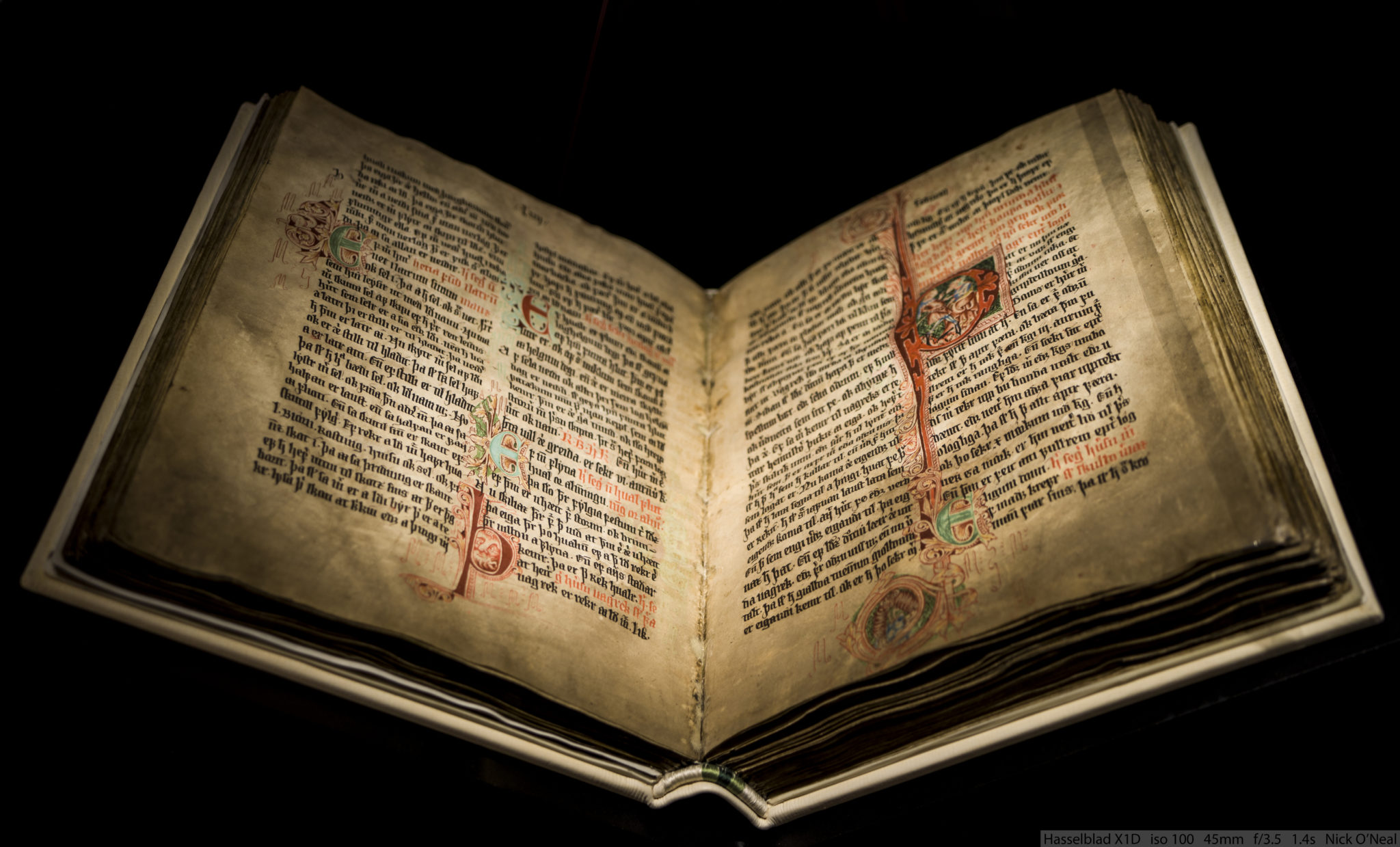
Each of the books is so detailed that one could stare at them for long periods of time, admiring their beauty. Below is a picture of my favorite of the books, which is dated back to 1363 AD.
Another noteable museum is the Laxness Museum. This museum is located in the home of Halldor Laxness, a 1955 nobel prize winner in the are of literature. The museum itself sheds light into the daily lifestyle and tastes of this Icelandic hero. Unfortunately I do not have any pictures to show because photography was not allowed in the museum.
There are three other museums which are all connected, but not by location. These three museums include Hafnarhús, the museum for contemporary art and culture, Kjarvalsstadtir, the art museum from past to present, and Asmundarsafn, an exhibition gallery and sculpture garden.
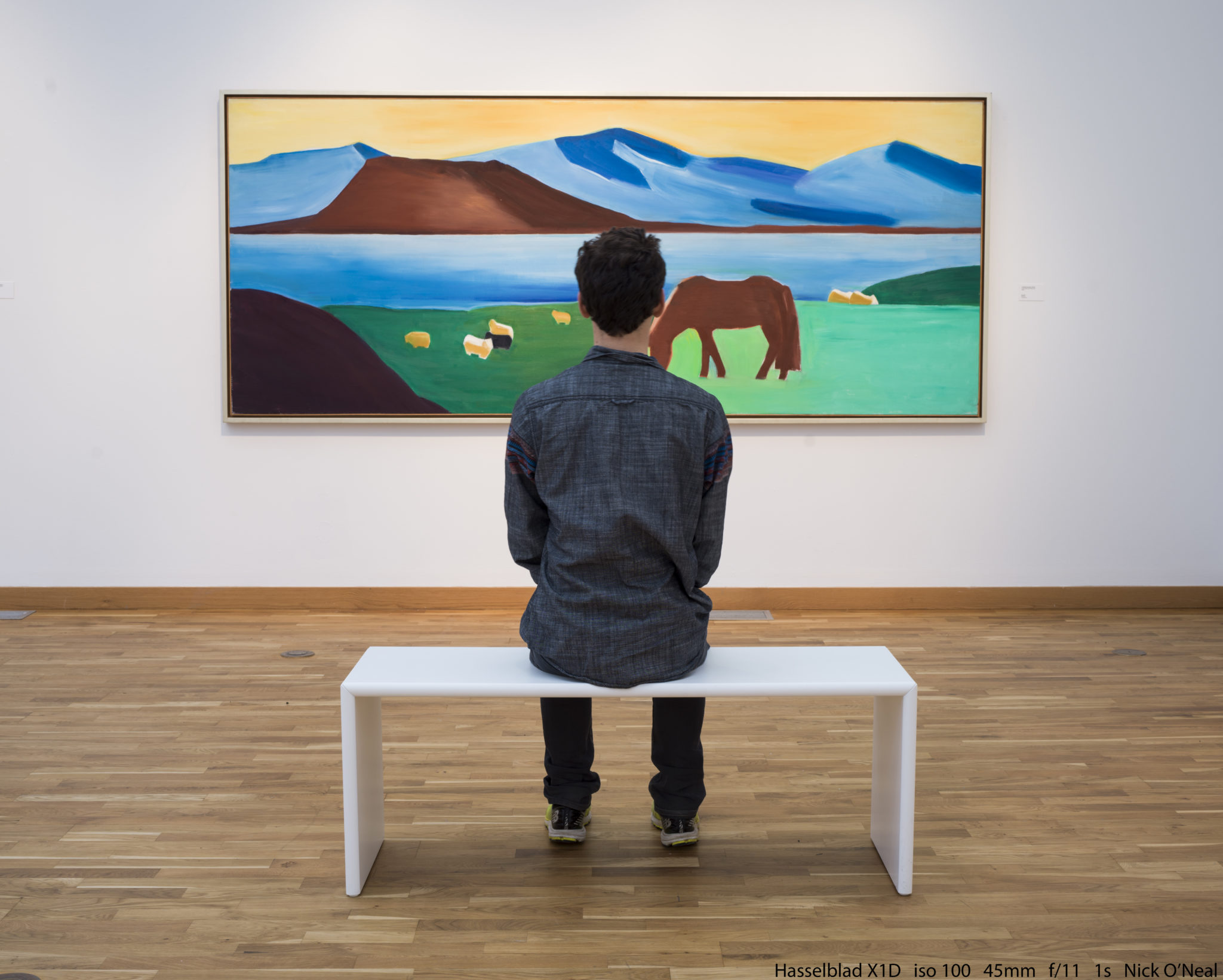
Hafnarhus had very odd modern works of art housed within, of which I do not have pictures because photography was prohibited. Asmundarsafn is the only one of these museums our group did not visit. The last of these three museums, Kjarvalsstadtir, contained wonderful pieces of artwork. Below is a picture of me admiring some of the work in that museum.
Yet another interesting museum we traveled to is the Settlement museum. If you are looking for lots of information about the early settlement period, this is the best museum to go to. It contains extensive knowledge about the early settlers, and even a real excavated viking longhouse. The ruins of the excavated viking longhouse is seen below.

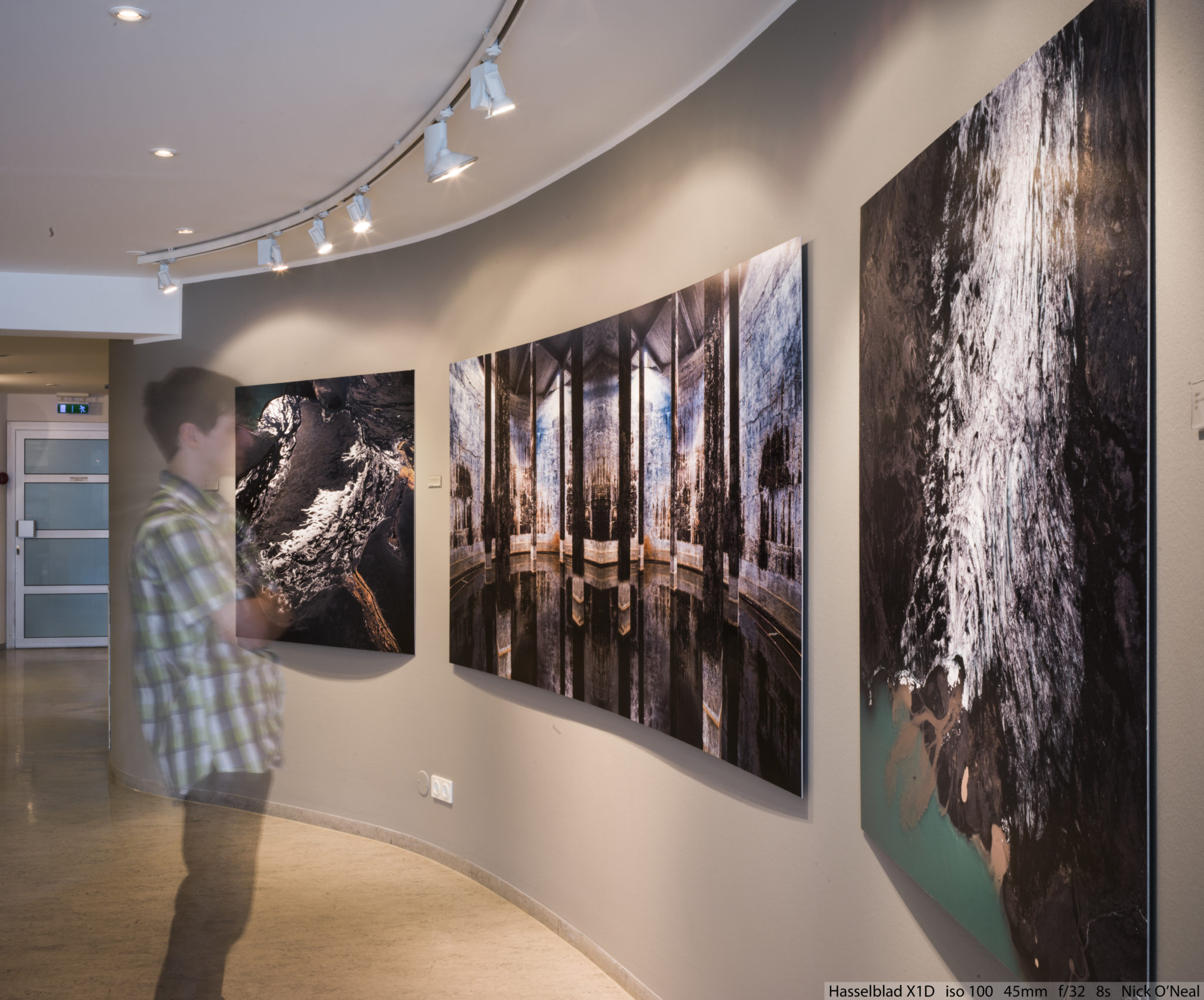
One other museum I particularly enjoyed was the Photography Museum. It was not very large, but what little it did have was of high quality. The current exhibit displayed there when we went was Sigurgeir Sigurjónsson’s Metamorphosis exhibit. Sigurgeir is by far my favorite Icelandic photographer, and his style is the same style I try and emulate; that of extreme texture, detail, and depth. Below is a long exposure image of me admiring his work in the metamorphosis exibit.
Although there are many more museums around Iceland that are worth visiting, these are simply a few of my favorite museums around Reykjavik that I enjoyed the most. If you are planning a trip to Iceland, make sure to visit plenty of museums. Every single one is well worth it.
Blog by Nick O’Neal
]]>
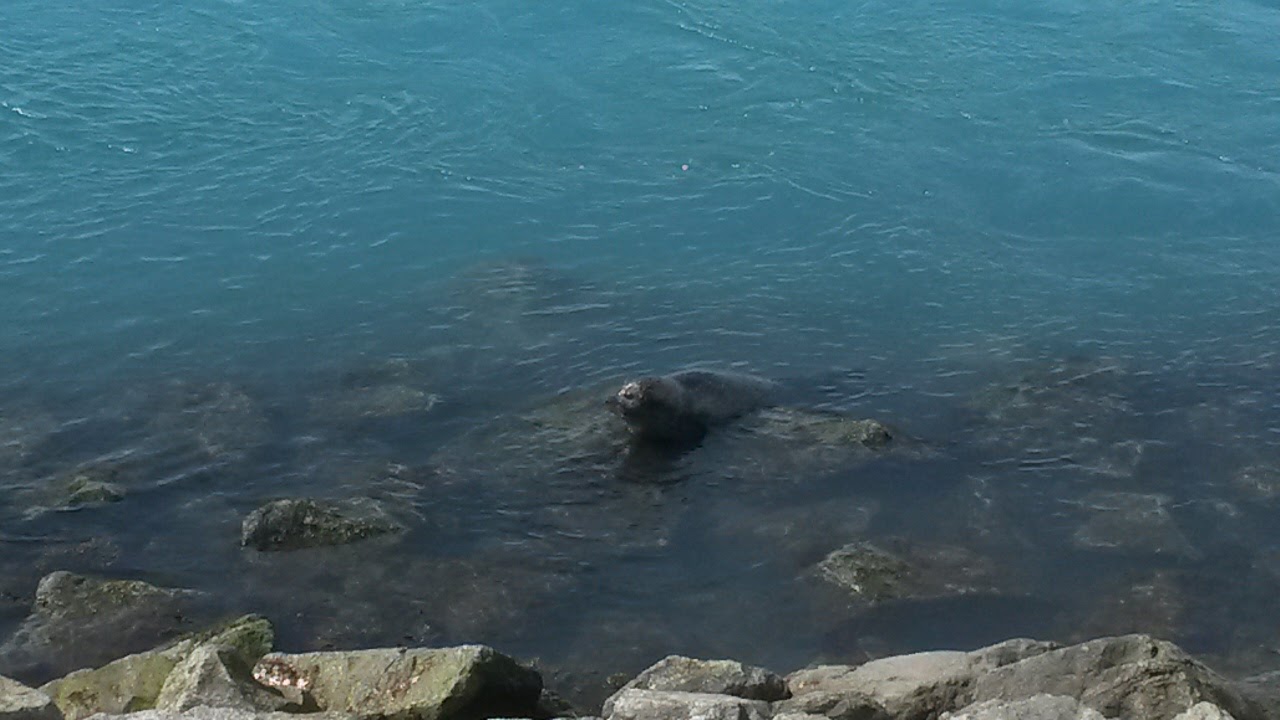
Walking towards the lagoon I saw a large seal swimming close to shore. I believe it was a harbor seal, the most common seal in Iceland. Earlier when we stayed at Berunes Hostel I got to see some seals, but not as close as this one. There were also a bunch of birds called arctic terns nesting close to the parking lot. I didn’t want to get a picture because they were attacking people. I still apparently got too close to one which flew at my head. We learned they attach the highest thing so you should hold something else above your head if they are close to you. They are impressive birds though because they migrate all the way from Antarctica to Iceland.
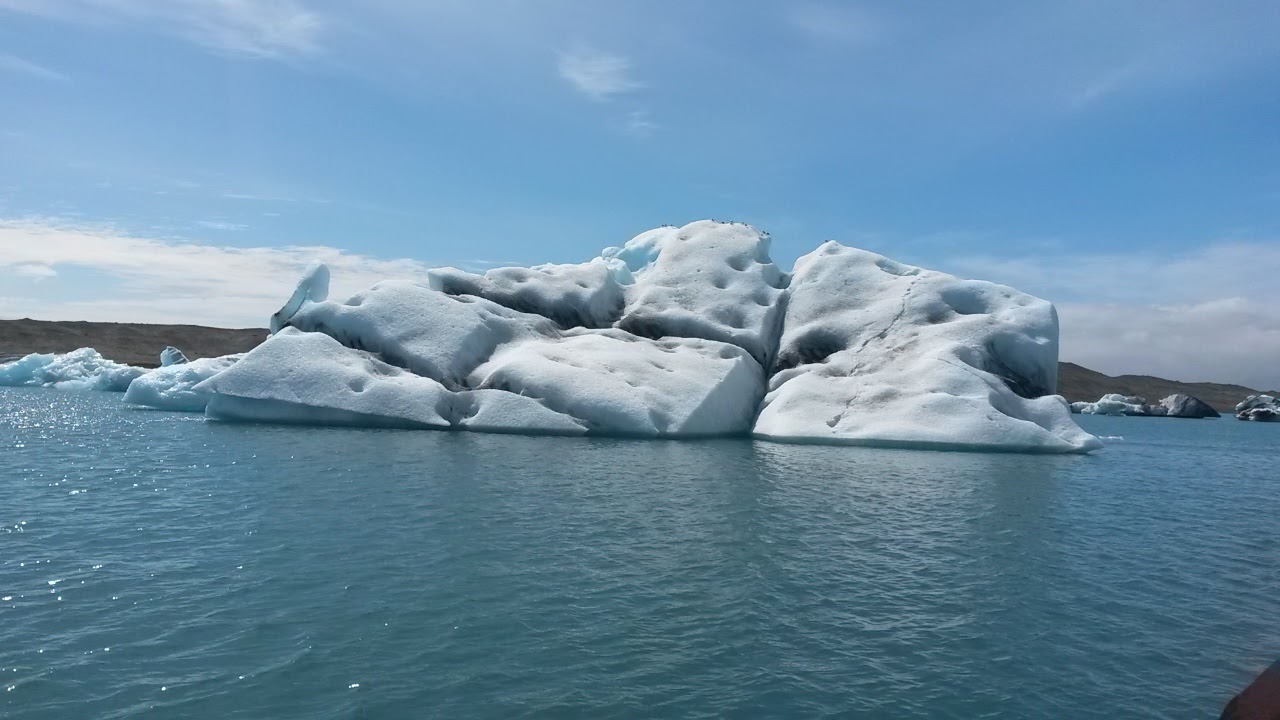
The group then took a boat tour around the lagoon where we could get closer to the glaciers and learned more about the area. We could also get a better view of the giant Breiðamerkurjökull glacier. The lake has been growing because of the retreat of Breiðamerkurjökull, and is now the deepest in Iceland. Our tour guide brought some of the ice on board and we all got to try some. Glacier ice actually melts slower than ice from the freezer because the crystals in it are larger which exposes less surface area on the outside to melt.
The next day after the tour we got closer to a different glacier when visiting Sólheimajökull, part of the Mýrdalsjökull glacier. It is a popular hiking destination and we got to stand on it. Part of the glacier was covered in black ash from a volcanic explosion. Our tour guide, Árdís, recalled how the glacier used to be right next to the parking lot but now it has melted so much we had to walk quite a ways to reach it. In the last decade it has receded approximately a kilometer. It was interesting to see how quickly vegetation was starting to grow in ground that had been covered with ice for so many years. I was glad I got to see it before it melted away completely.

I had never seen glaciers before so this was a very unique experience for me. Watching all of the wildlife was probably my favorite part. With all of the beautiful scenery I could have stayed for a very long time.
]]>
The first geothermal related cite we visited was the Hellisheiði Power Station right outside of Reykjavik where we got a tour and saw the turbines and condensers. The power plant works by injecting water into boreholes which heats up underground. The injected water turns into a mixture of steam and hot water and then returns to the surface. The hot water is pumped to the city of Reykjavik where it is used for space heating. The steam is used to produce electricity by turning a turbine which turns a generator which creates electricity. The plant there produces 300 MW of energy making it the largest geothermal plant in Iceland and the sixth largest in the world. This form of energy production and space heating is very environmental and releases no carbon dioxide into the atmosphere. The only major waste is hydrogen sulfide that gets into the steam when it is underground. Before the steam is released into the atmosphere 60% of the hydrogen sulfide is scrubbed out.
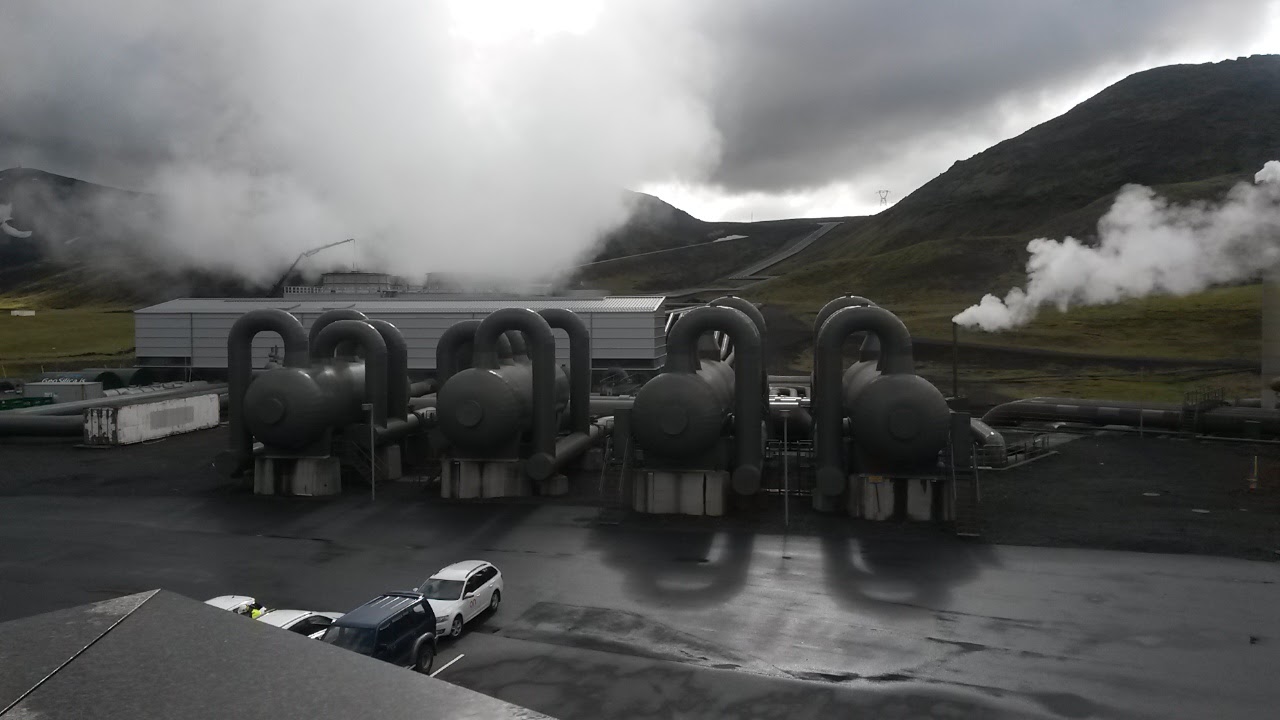
Unlike other forms of renewable energy, like solar or wind, geothermal is limited which causes interesting challenges. For example, the Hellisheiði site uses 40 bore holes to create energy, and has a total of 58 drilled. But some of the 58 are either not working or being rested so that they can be used in the future. If too many holes are drilled then the pressure of the heated water will drop making it useless in creating energy. Therefore there has to be a lot of research done on the capacity of a location before a power plant is built.
It was fun to see a state-of-the-art sustainable energy plant that Iceland take so much pride it. The country makes a big effort to use renewable energies like geothermal and hydroelectric. Not only do these options produce very little waste, they also create low energy costs. After the construction of the plant there is no need for expensive oil, coal, natural gas, or uranium. Using its natural geothermal energy Iceland is able to take a large burden of both the environment and its people by lowering emissions and costs.
The next day we visited the Geysir Hot Springs along the Golden Circle road. The area included many pools of boiling mineral water that smelled like rotten eggs because of the sulfur in the ground. They create unique colors in the surrounding rocks because of all the minerals they deposit there. It was hard to tell how deep the pools were and our tour guide, Árdís, said that they change size all the time.
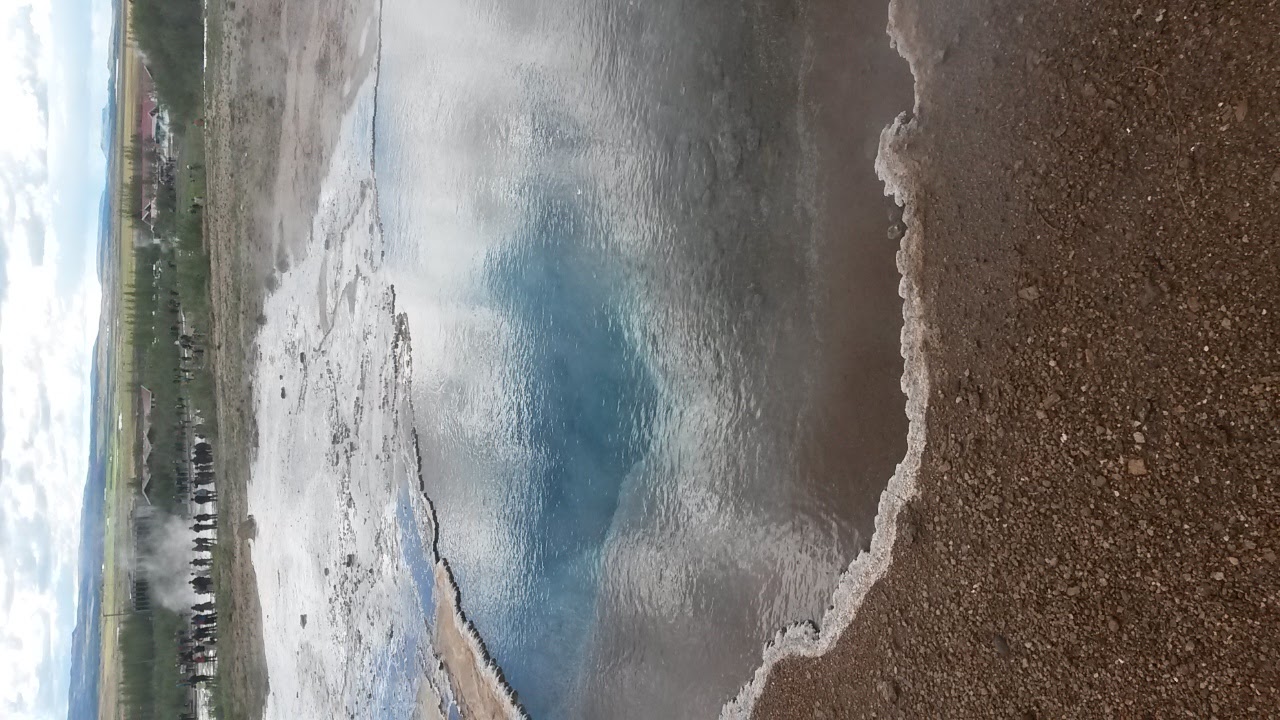
The name-sake of the area though was the water geyser that would erupt every 4-7 minutes making it one of the most active in the world. As a comparison Old Faithful in Yellowstone National Park only goes off every 45 to 120 minutes, but erupts for longer. While we waited for it to go off it was funny to watch everyone wait with their camera phones out so that they did not miss the chance to take a photo. In fact the first time I went off I wanted to get a picture so bad I kind of missed actually watching it. So I had to stick around to see it again, this time without a phone. But I do get to add a picture to this blog.

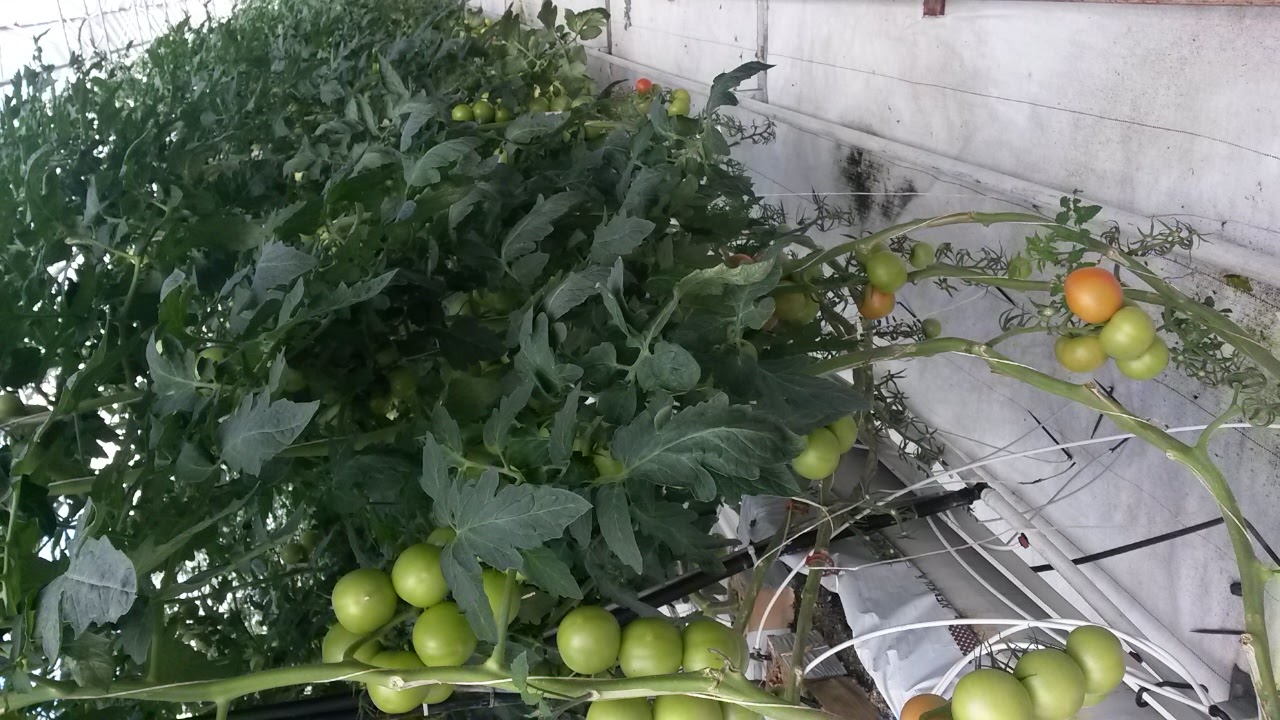
Next on the Golden Circle road we visited the Friðheimar greenhouses which grew tomatoes. I didn’t expect a country which is completely dark half of the year to grow many fruits, but they had large greenhouses completely filled with tomatoes. They used geothermal energy to keep the tomatoes warm and had lights all over to keep them fed. They had to import boxes full of bees to pollinate the plants because, unsurprisingly, bees cannot survive Icelandic winters. We got a short tour of the greenhouses and got to try some of their cherry tomatoes which were delicious.
The last geothermal related spot we visited that day was Laugarvatn a natural bathing site on a lake with the same name. There was a considerable amount of steam coming out of the ground which smelled awful because of all the sulfur. The lake water near the geothermal cite was warmer and in some places bubbling.
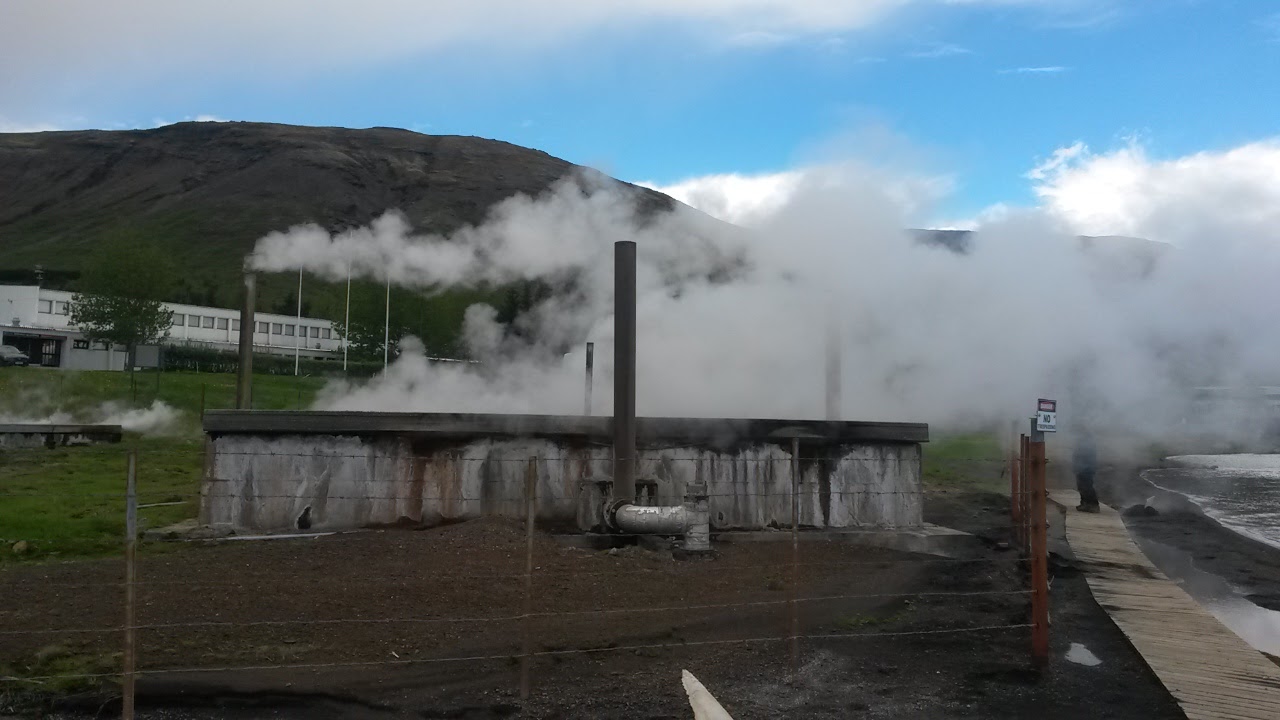
Near the geothermal activity people were making Rúgbrauð which is a type of rye bread that is cooked in the ground. People will prepare the bread dough, dig a hole near the hot springs, bury the dough, and cover it with a mound. The bread we saw had a little sign too with the name of whoever was making the bread. After a day or so of baking you just dig up the bread which should be done. Sadly, I didn’t get to try any while we were there, but maybe that is a good thing because it is also known as thunder bread because it makes you fart a lot.

While visiting Iceland it was neat to see how many different ways geothermal energy contributes to the country. I expected the geothermal plants, but I had no idea it was used for agriculture and cooking! Plus, seeing the geysers and hot springs were a once in a life time experience I will never forget.
]]>Every day in Iceland was a real treat. Today our group traveled the Golden Circle, which was spectacular, especially since it is the first day we traveled out into the country outside the main city.

We started off at a geothermal power plant, where we got a tour of the facilities and an explanation of how geothermal power works in Iceland! I was aware of geothermal energy before the visit, but I never really thought about it much, and I never knew quite how it worked. It was absolutely fascinating.

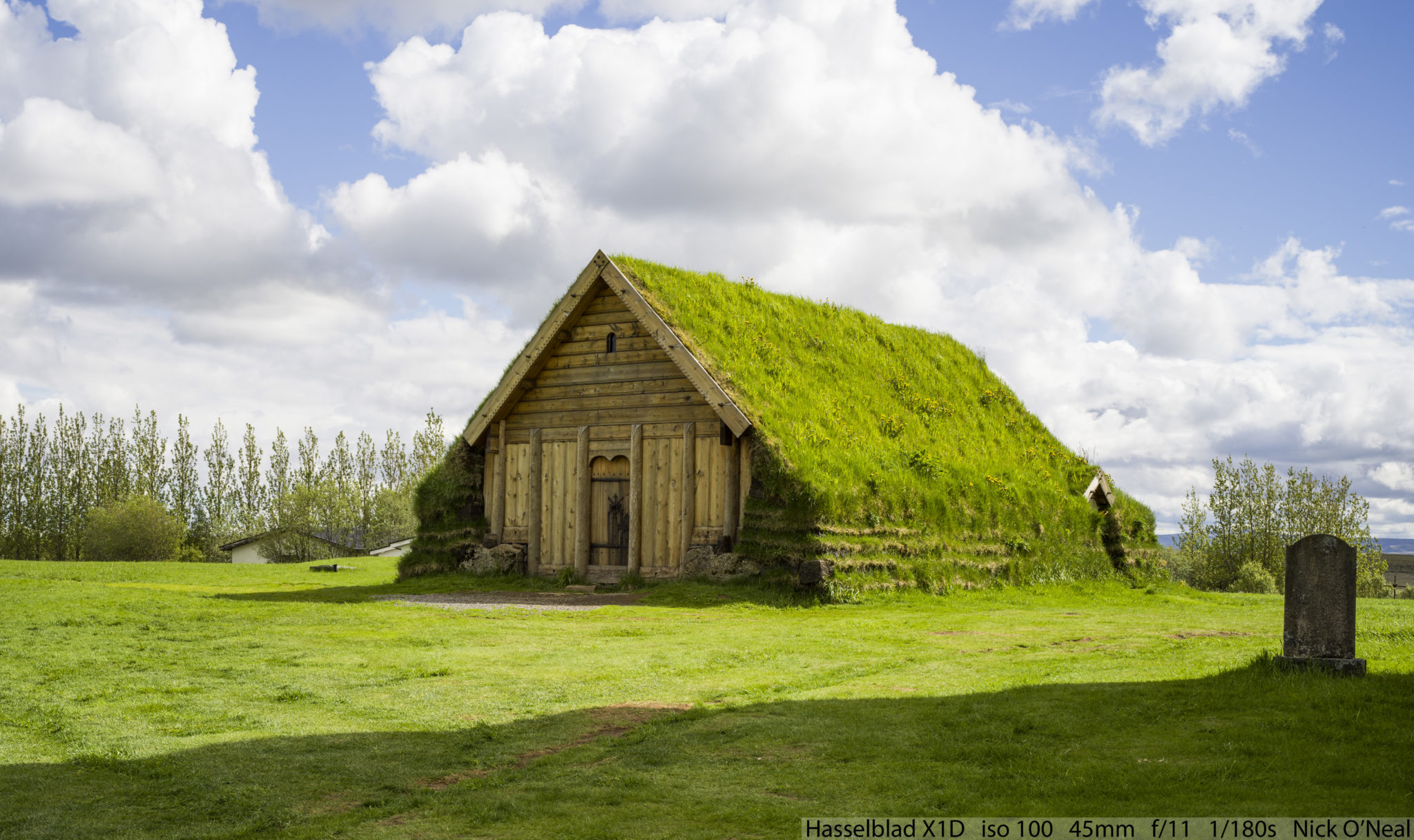
After the geothermal power plant, we traveled to a church in Bláskógabyggdt. The church was nice, but I was particularly interested in the house beside the church, because it was entirely covered in turf and grass. Apparently this is something that is fairly common, especially in Iceland’s past because it would protect people from the cold and the elements.
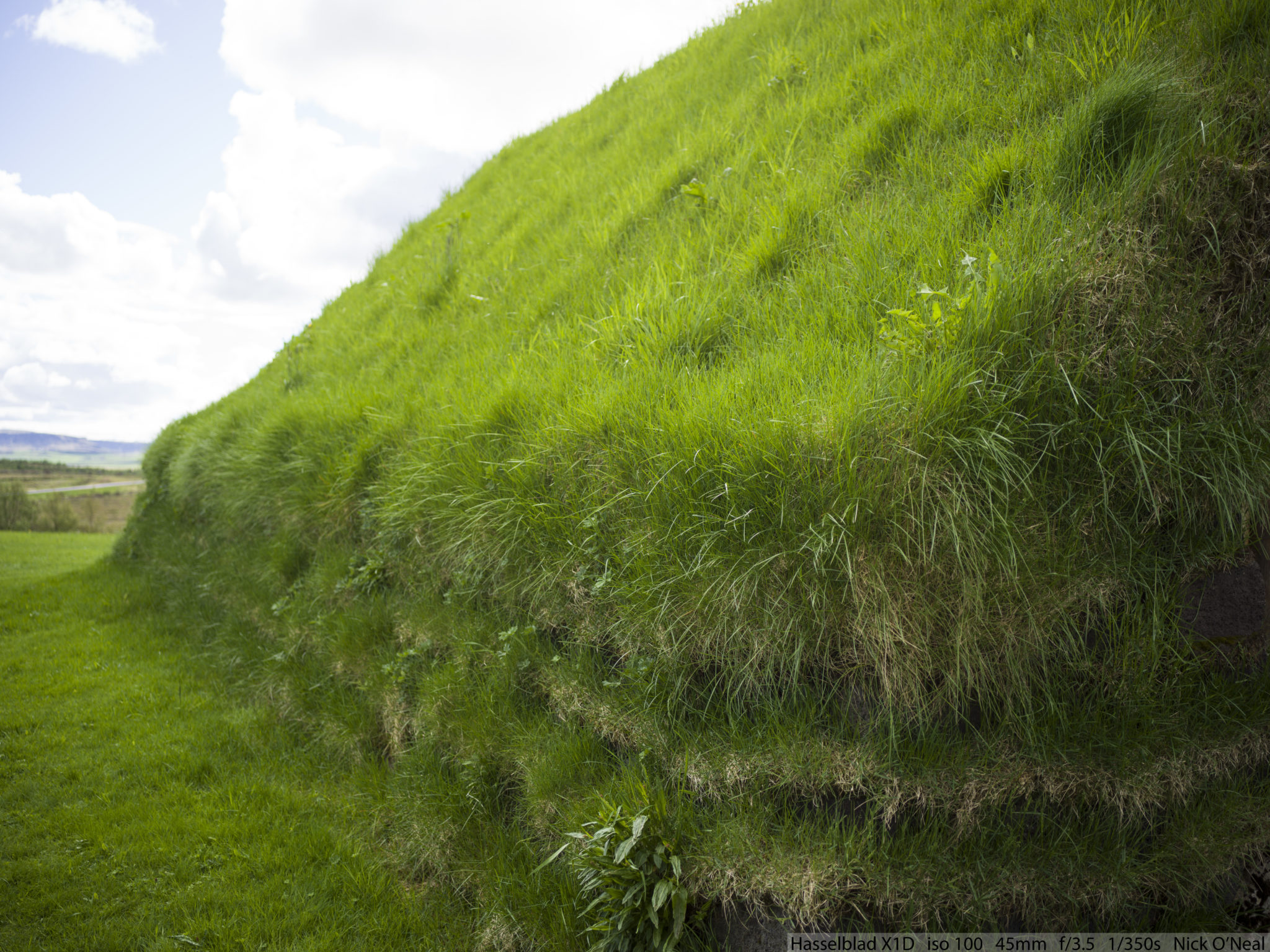
It looks so green and plush! I don’t know why all the grass is so green here.
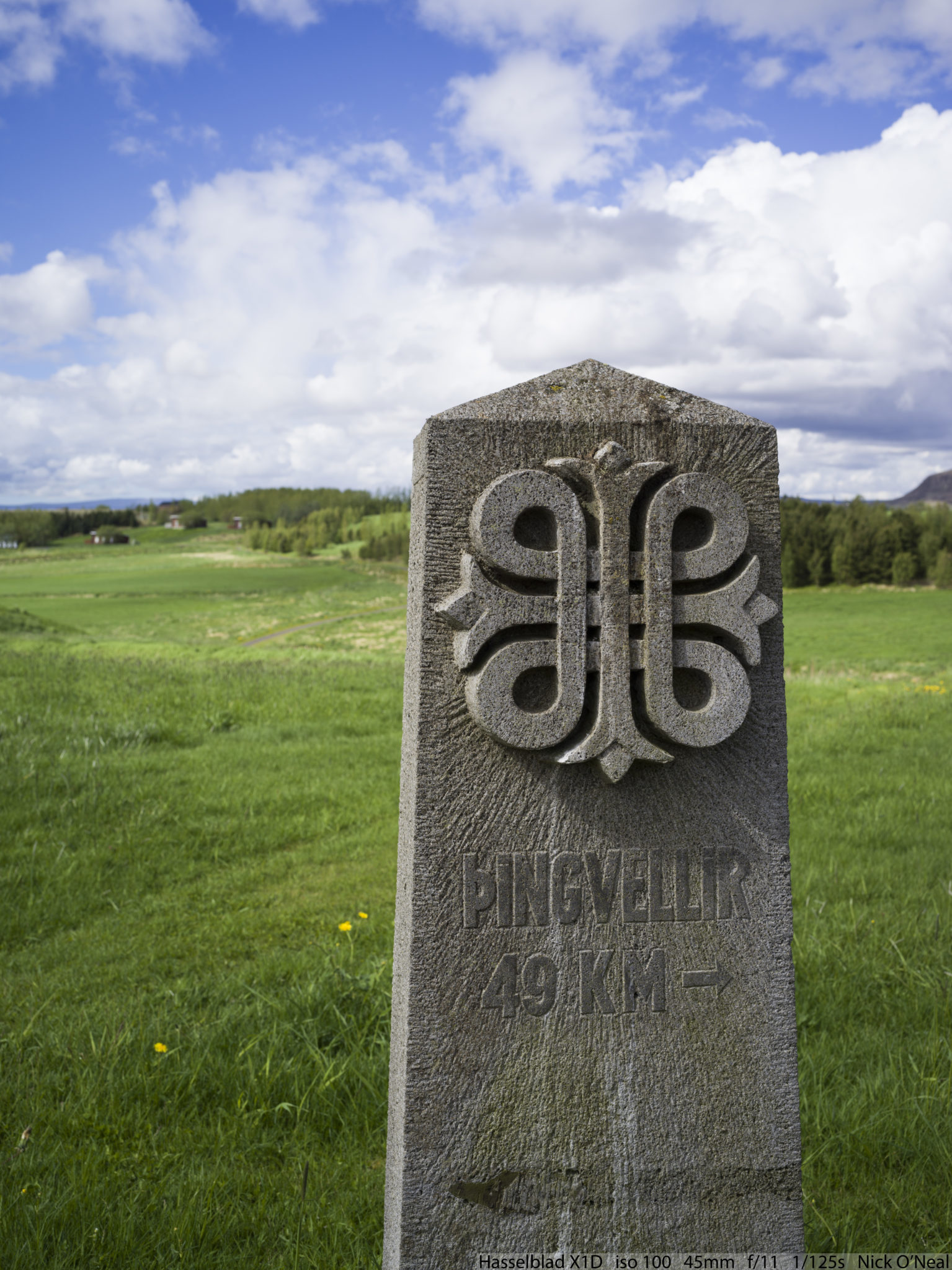
As we leave at each place, I cannot help but take pictures of every little thing. This entire country is so gorgeous that you could look at a road sign and be intrigued.
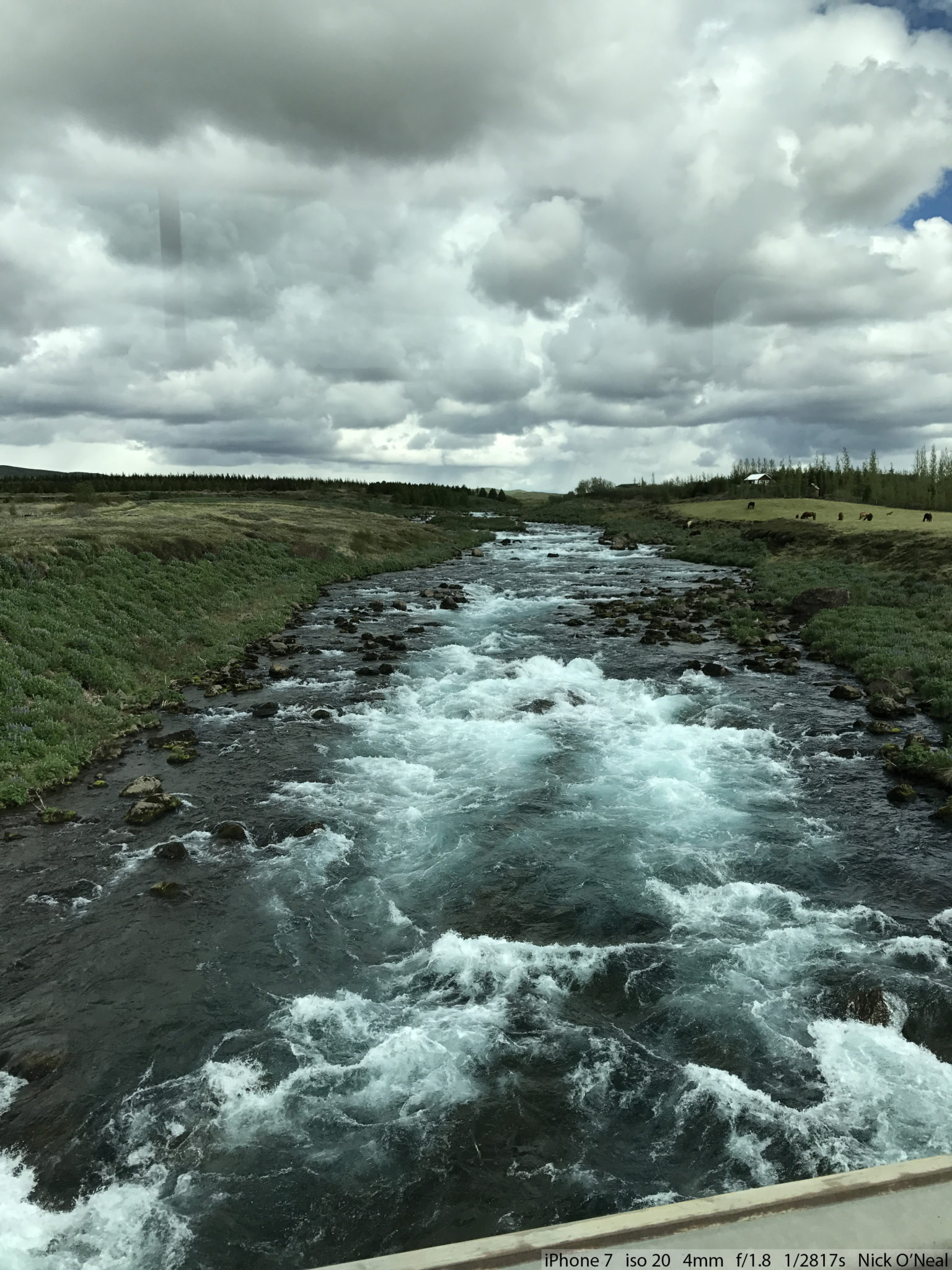
Our next stop was a quaint little waterfall at Bláskógabyggdt. The photo below was taken with my phone on the bus. Even if I would have had to sit in the bus the entire trip, I would not have cared because everything was so beautiful.
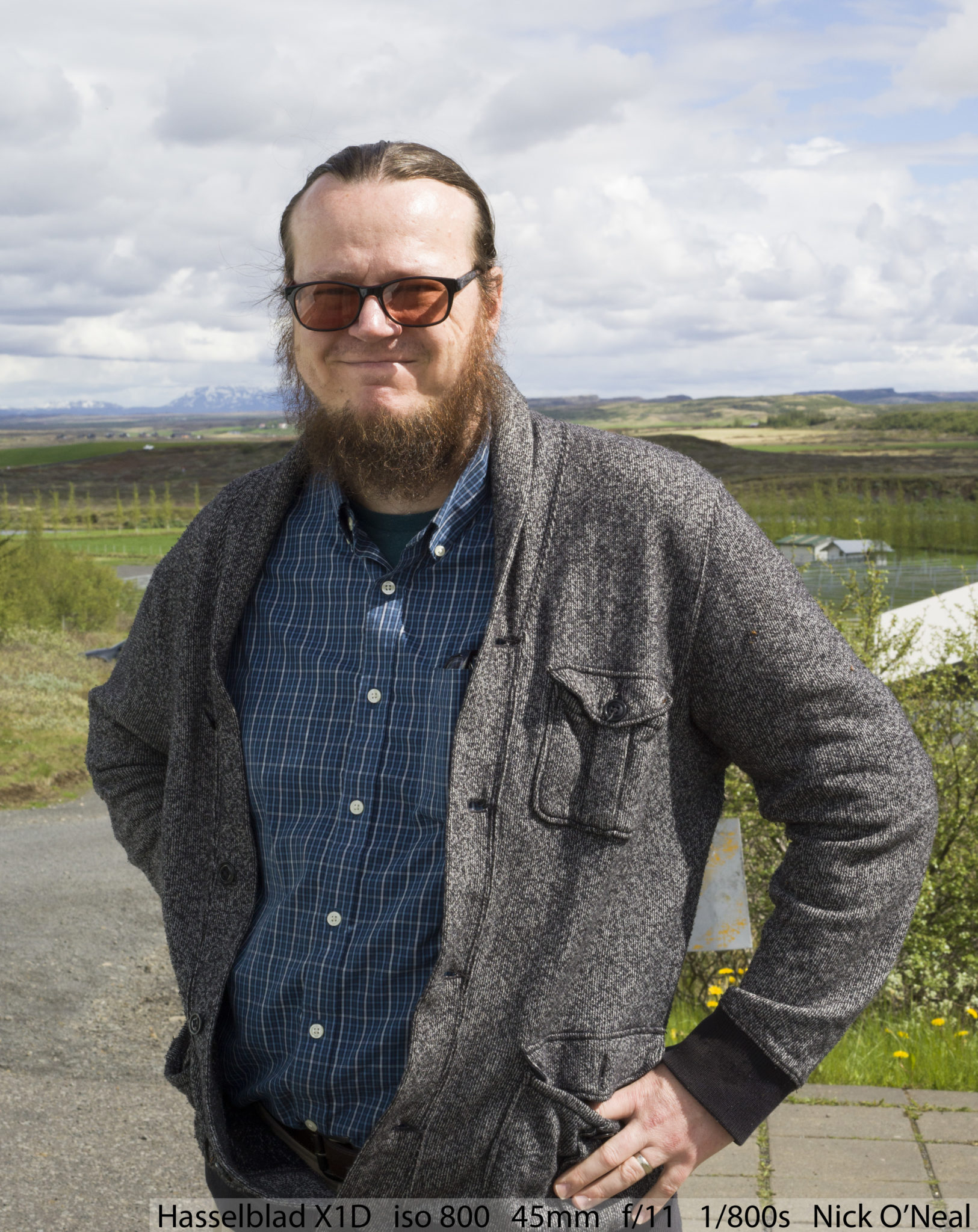
No blog would be complete without a classy Eric Bryan.
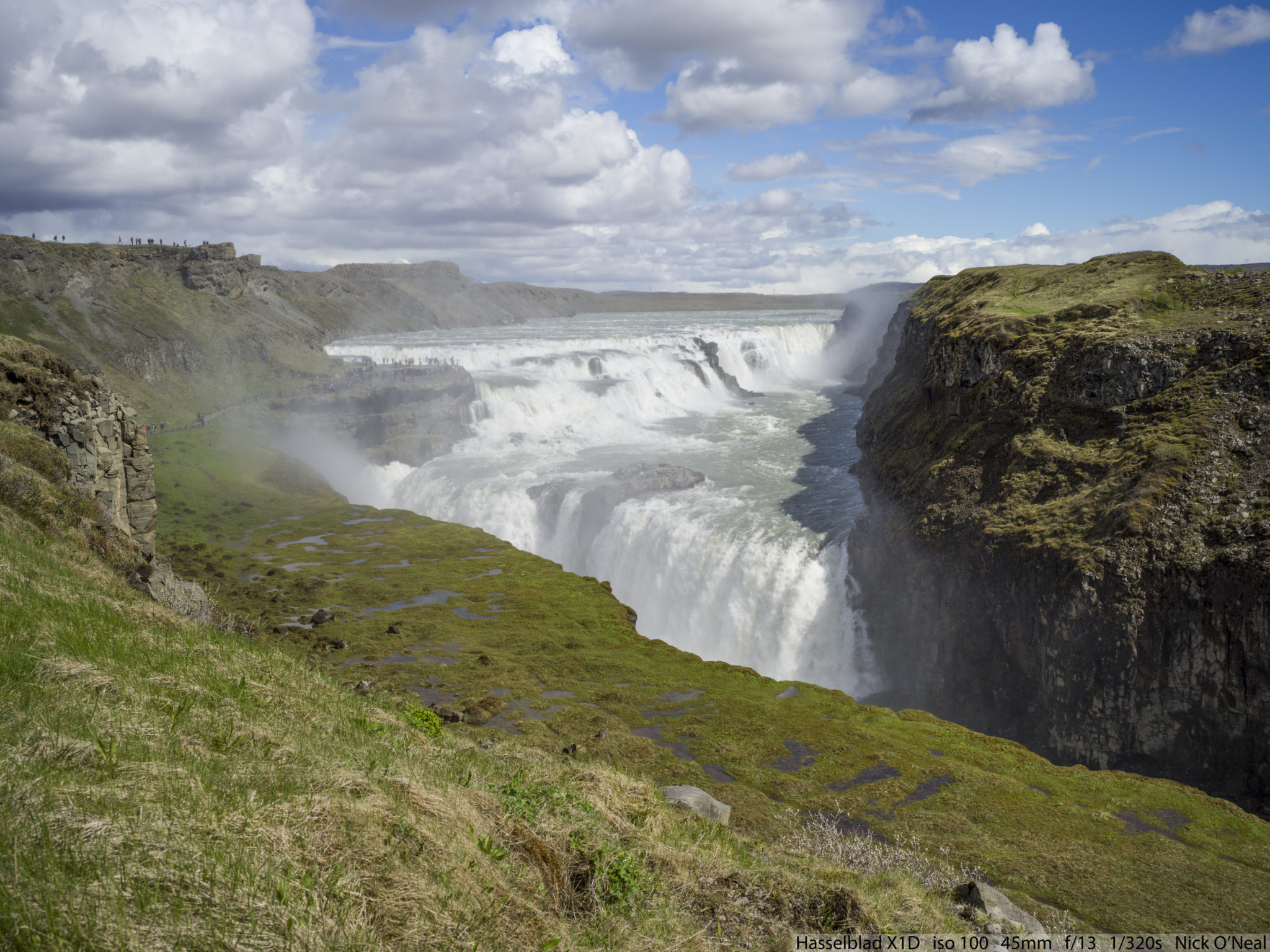
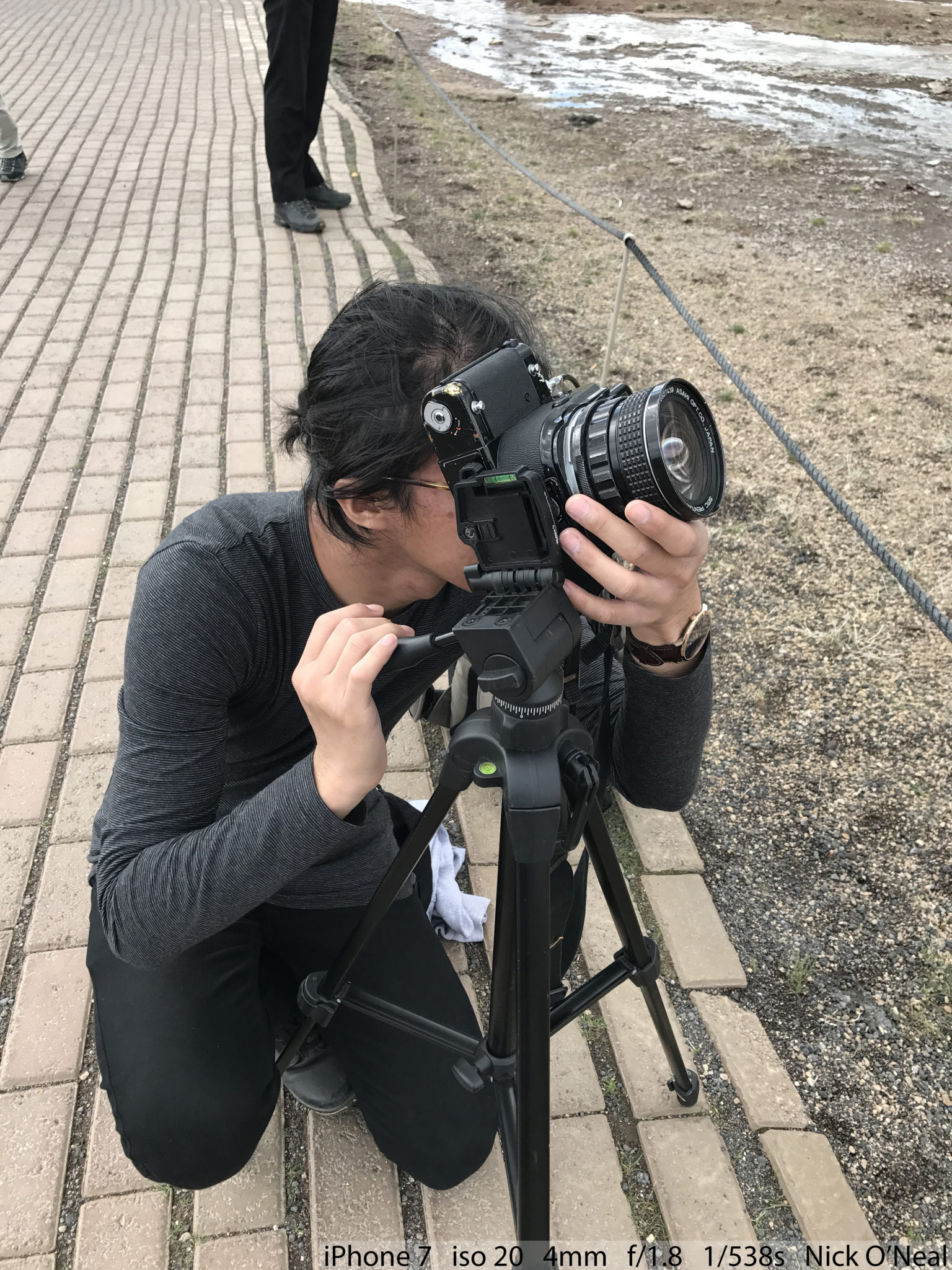
From there, we traveled to a gorgeous large waterfall on the Golden Circle path. At one point in time, businessmen wanted to use this waterfall for hydroelectric power, but that would have destroyed its natural beauty. Luckily, the hydroelectric dam was not built, and the waterfall is still here today. I also met someone who was also shooting medium format at this location. They were using the Pentax 645Z. I had never seen one up close before today.
We left from there to see the geysir Strokkur. Little geysir was adorable, and Strokkur was large and unexpected. I sat there with my camera, listening to people repeat “ooooh I think its about to happen!……… oh no not yet…”. Eventually, the geysir sprang up and it caught me off guard and scared me. I ended up jumping a few inches, managing to snap a picture while I was in the air out of surprise. If I had not set my shutterspeed to 1/2000 s, the picture would have been blurry beyond belief.

I also met someone who was also shooting Pentax medium format film at this location. This specific photographer I had actually met days ago at the pizza joint near Hlemmur Square. We had encountered each other a few times and enjoyed talking about photography. There are so many kind photographers to talk to and become friends with in Iceland.
Moving on, our group traveled to a greenhouse where tomatoes are grown. My favorite part was seeing the Icelandic horses they have outside the greenhouse, but the actual greenhouse where the tomatoes are grown is very ingeniously set up. We even got to eat some sample tomatoes!

After that, Ardis took us to some small geothermal locations around, including one at the edge of a pond. She explained to us how Icelanders would bake bread using these geothermal spots by picking out a location, making a small rock and soil structure around the bread above a geothermal spot, and leaving it there to bake.
Our last stop for the day was Thingvellir National Park. This park was along a fault line, so the land was a little more shaken up here. It was raining when we arrived, but that would not stop us. It rains for short periods of time almost every day in Iceland.
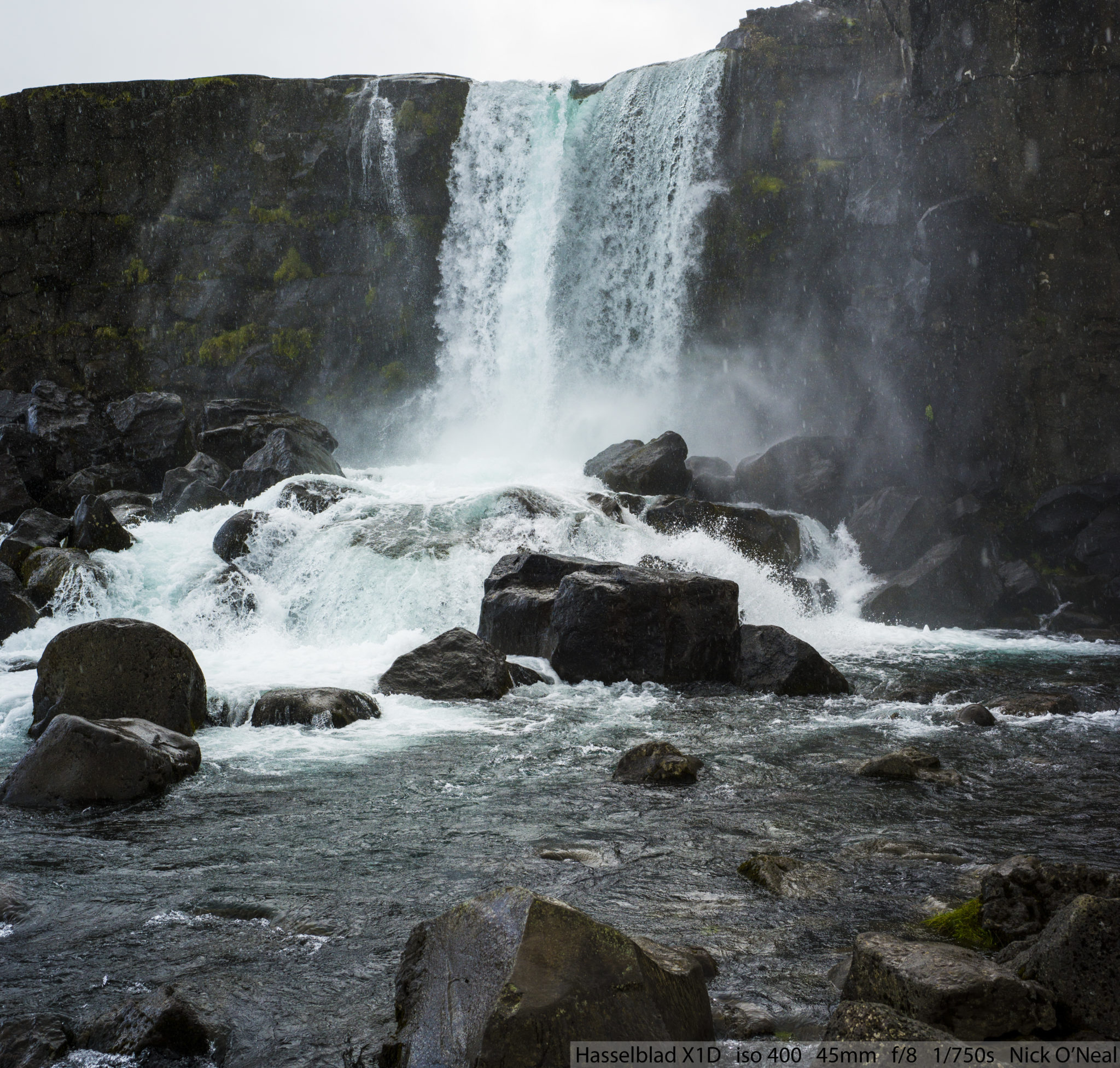
Overall, the day was incredible. When we got back to Hlemmur Square, I went and got a delicious pizza.
Blog by Nick O’Neal
]]>
 ]]>
]]>
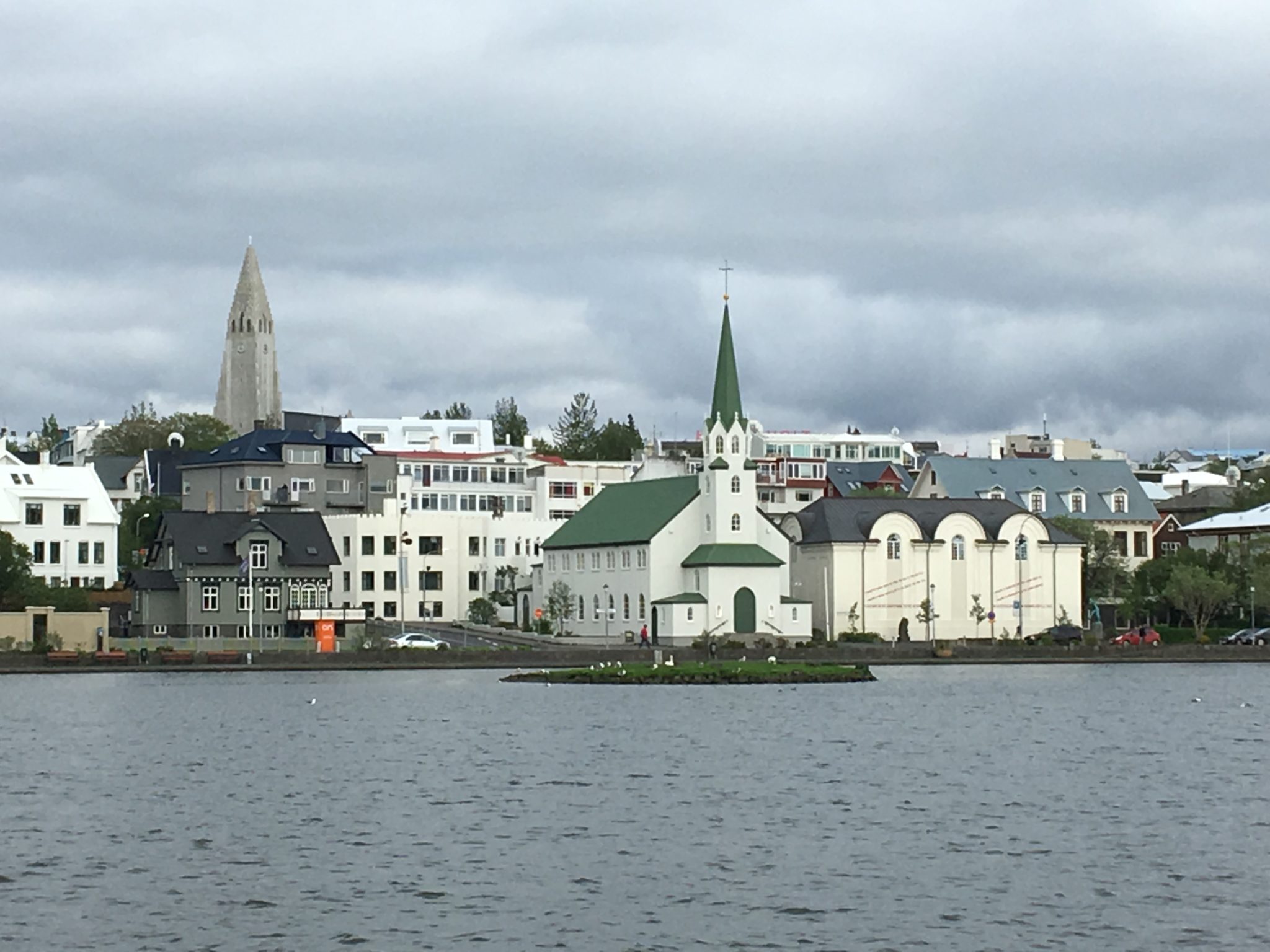
On Friday, we traveled to Hólar, the church where both Sæmunder Frodi and Loftur the Magician studied. It is also the northern bishop seat for Iceland, the southern being Skálholt. After that, we traveled to Siglufjördur, setting for the Ragnar Jonasson book, Snowblind. We experienced how isolated the town feels, but could only imagine the effects that a heavy winter snow could have on the town. We also met with the mayor of Siglufjördur and University of Missouri-Rolla alum, Gunnar Birgisson. After he showed off the town and the amazing engineering companies that it holds we began to see how the town was so much different than the way Jonasson portrayed it to be. Mayor Birgisson talked to us about what it is like to be a mayor and how even while working in politics his degree in geotechnical engineering is still very applicable.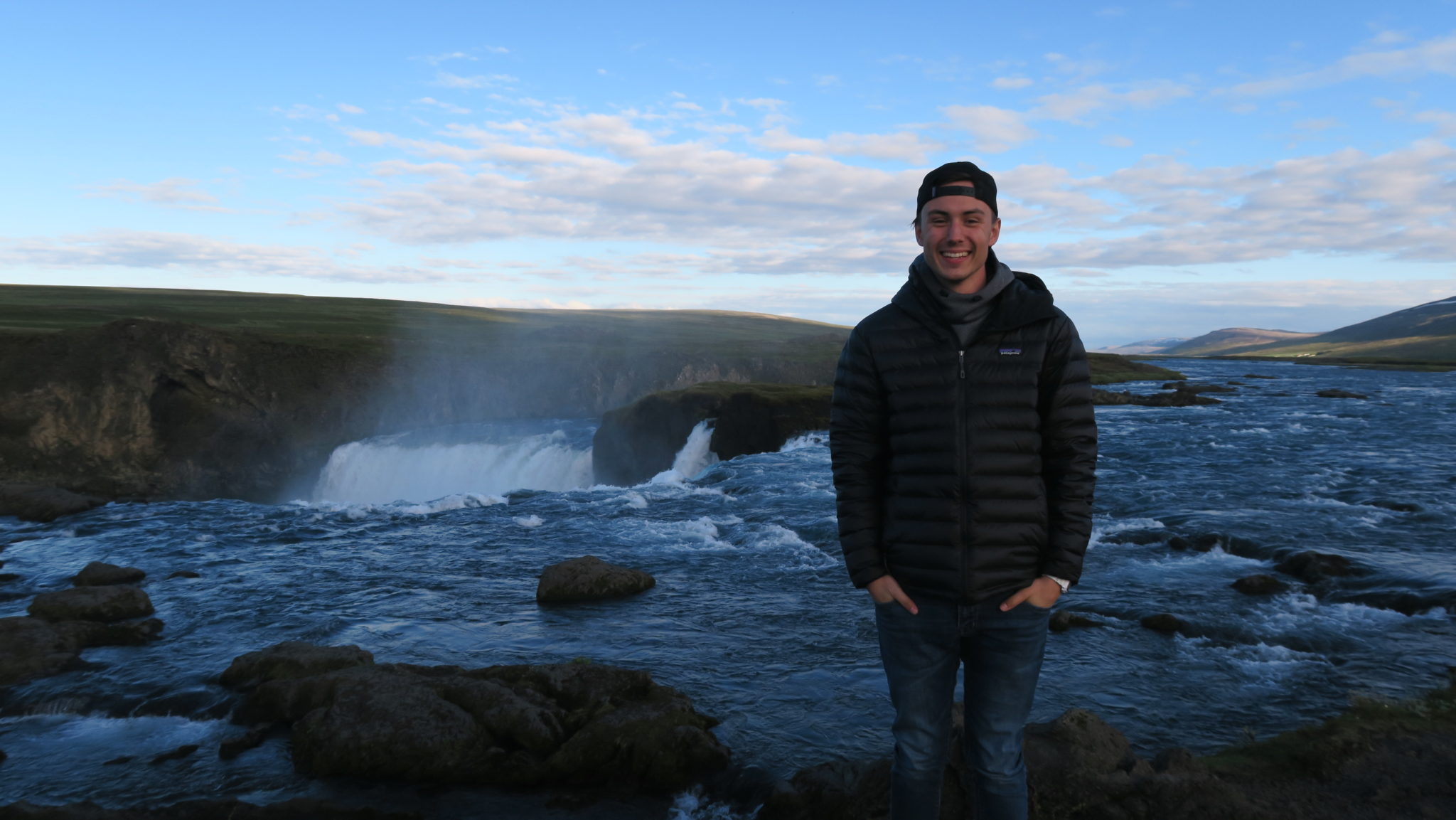
Day three, we traveled to Húsavik to experience what small town Iceland was really like. We spent an hour or so there people watching and enjoying some food from the bakery before leaving for our next stop, Botnstjörn. This was a small lake, fed by waterfall, tucked way back amongst tall cliffs. Our travels then led us to Dettifoss, the most powerful waterfall in Europe. The long hike to the falls was definitely worth the view. We finished our day at Jardbodin, a geothermal pool that in my opinion is way better than Blue Lagoon because it is less of a tourist attraction.
Sunday morning we woke up to go to Skútustaðagígar, home to a bunch of craters caused by steam explosions, and Hverjfall, a crater mountain created in the same manner. Hveraröndin was next on our list. A small geothermal pool where the water was black rather clear and closely resembled tar pits. There was also tall rock piles that constantly blew large amounts of steam into the air. The final stop of the day was Gunnar Gunnarsson’s house. Gunnarsson is a famous Icelandic author who was nominated for the Nobel Prize six times, and whose house was turned into a museum for not only himself, but for the monastery that was found right outside the home. This monastery, called Skriðuklaustur, was not only home to monks, but to a very large hospital. Over 300 bodies were found buried around the hospital and archeologists were able to trace most of their illnesses to create a very extensive list.
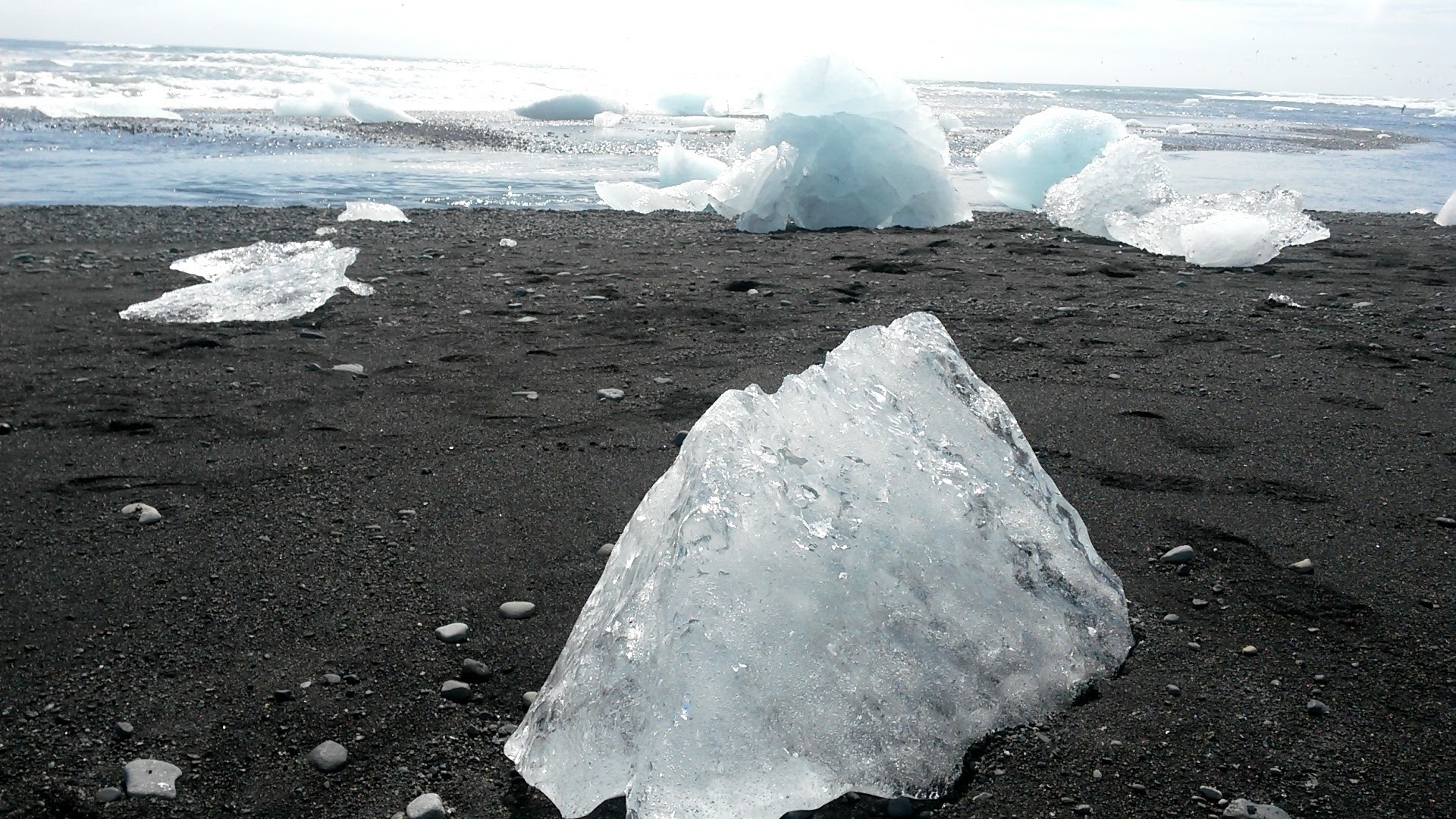
Day five consisted of going to the diamond beach and taking a tour of the glacier pool in Jökulsárlón. Diamond beach got its name for the large icebergs that flow out of the glacier pool and back up on the beach. I tested my luck with the ocean and lost. My shoes
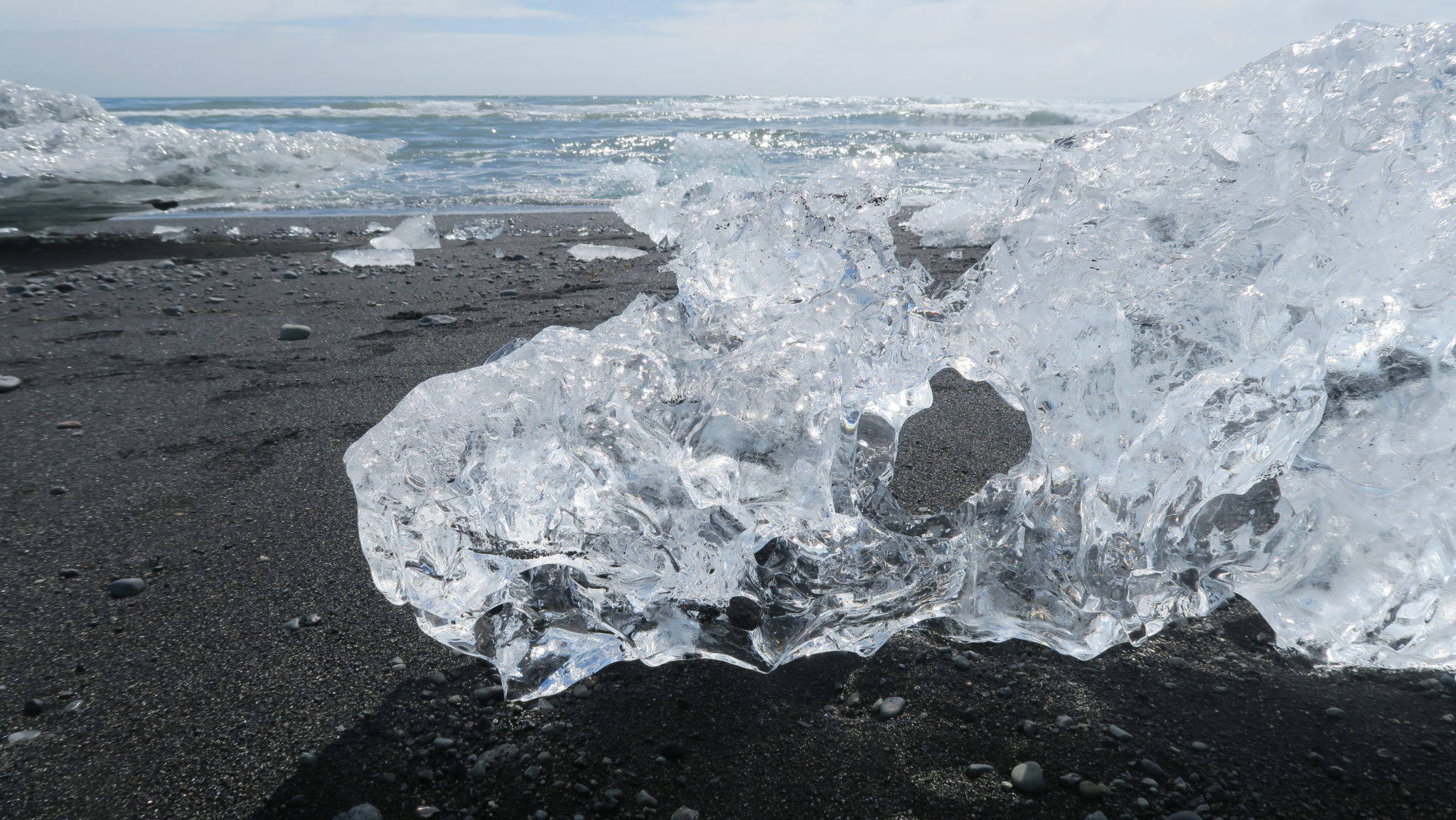
The black sand contrasting with the glistening ice made for great photos at the diamond beach.
were wet for the rest of the day, but I saw a seal so it made up for it, I suppose. The tour of the glacier pool began by getting in an amphibious vehicle that I compared to the “ducks” in Branson. The tour was about a half hour long and we learned a lot about how these pools form and how long it takes for the ice from the glacier to reach the ocean (sometimes up to 300 years). After all the fun, we headed to Svartifoss, a waterfall tucked 1.6 kilometers into a mountain. The hike was long, but the few was worth it. We ended our day by traveling to Fjaðrárgljúfur, a huge canyon created by a river. We spent the night in Vík where we discussed our experiences as a whole so far and our readings for the end of the week.
All that leads us to this morning. We woke up in Vík and headed back to Reykjavik. We visited the Black Beach and saw some puffins up close. The waves here were much stronger than the ones at the diamond beach and no one even attempted to get near them. Then we went to a glacier that we could actually walk on, unlike one of the small stops we made the day before. The glacier was a lot different than what I expected. It was not a huge pile of ice, but rather a huge pile of ice covered in a huge amount of volcanic ash. After this we traveled to two amazing waterfalls, one of them we could walk behind. While driving from one waterfall to the other we stopped at a small building built into a cave. Our driver showed us how it was designed for keeping sheep. The cave had three levels. The bottom two levels were for feeding and keeping the sheep, and the top floor was where the shepherd lived. Our final stop of our trip on the Ring Road ended at Halldór Laxness’ house. Here we took a tour the Nobel Prize winner’s house. It was a very humble in size, but the library and artwork were beautiful.
We end our day here, back in Reykjavik at the University of Iceland. The past six days truly blew by, but I have memories I won’t soon forget. I am not sure these last few days in Reykjavik can even compare to the past week.
]]>