Warding off the jet lag, we started off our Wednesday morning at a little café  next to our hostel, Café des Dames. As we finished up our coffee and croissants, we heard on the news that that evening, President Hollande would be speaking at a ceremony, adding four Resistance fighters’ remains into the Panthéon (a crypt for famous French citizens): Geneviève de Gaulle-Anthonioz, Pierre Brossolette, Germaine Tillion and Jean Zay. (The women’s families did not want their bodies exhumed, so their coffins are symbolic and contain soil from their gravesites.) We were all super excited to be in Paris during such a historical event so we decided to
  change our plans for the day and go see the ceremony. As a group of girls, we were particularly interested because the Panthéon only has one other woman (Marie Curie) who was added because of her own merits and it was very special that two new women were being included.
After the café we headed off to the Arc de Triomphe, a giant arch covered in carvings and statues built by Napoleon I to celebrate his victories. Underneath the Arc lays the Tomb of the Unknown Soldier, commemorating fallen soldiers with an undying flame. Although the square around the Arc de Triomphe was filled with eager tourists, it was still easy to appreciate the monument’s amazing beauty, as it towers over the surrounding giant roundabout packed with traffic. It loomed over everyone as we slowly made our way around it. A giant French flag blew in the wind in the middle of the monument.
We left the Arc and made our way down the Champs Elysée, a long boulevard lined with swanky shops leading down to the gardens next to the Louvre. Unlike many garden parks I’ve been to in the U.S., the gardens around the Louvre were filled with people enjoying the sunshine, walking their dogs, and reading books around the many fountains.
While the Arc de Triomphe was majestic and the gardens beautiful, the highlight of the day was listening to President Hollande speak in front of the Panthéon. The streets were already packed when we arrived. After attempting to maneuver ourselves through the crowd, a tough feat when you’re trying to keep a group of eight people together, we were forced to stop, packed shoulder to shoulder with thousands of Parisians, just a block from the front of the Panthéon but completely out of eyeshot of the ceremony. A hush fell over the audience as we heard President Hollande’s voice echoing down the street. Although I could not understand the majority of 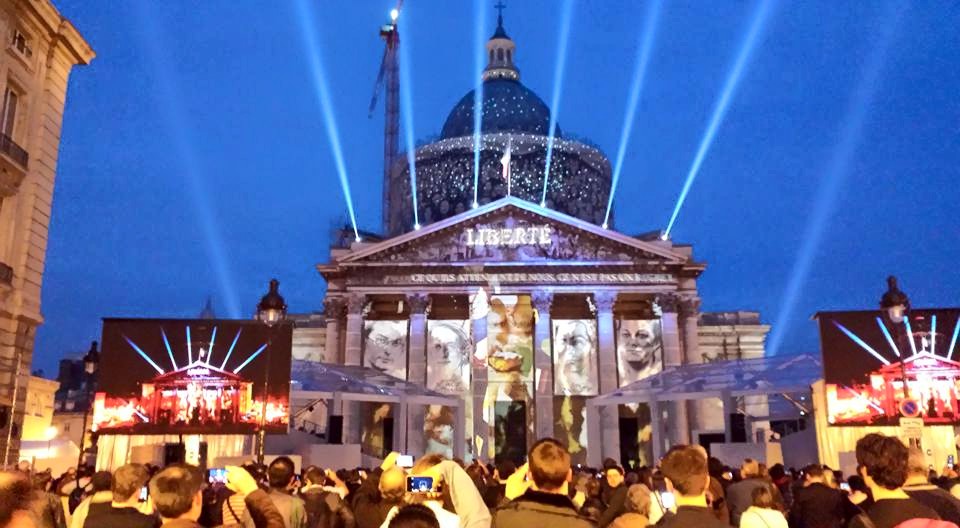 the speech, it was amazing to see the looks on the faces of those around me, taking in what no doubt was an incredible event for the people of France and especially for the women’s rights activists that tried so hard to get more women entombed at the Panthéon. Although the crowd was incredibly packed, the people were amazingly courteous and limited pushing and shoving. There was only the occasional shushing when someone would raise his or her voice too loud and the president could no longer be heard. It was an incredible experience to see an entire crowd so respectful of their president and the importance of the ceremony honoring events that happened long before their time.
Later that night we returned to the Panthéon to see a special lights show projected on the building honoring the four Resistance fighters. Pictures of the four men and women were projected over the building along with inspirational quotes and music. The show left me with a dark but beautiful feeling, really demonstrating the connection the people of France still have with WWII and the people who fought for their rights.
]]>
Walking through walls
How has my experience abroad affected me? Well, first off, before this trip I had never travelled outside the United States, taken a train, eaten duck, or experienced another country’s memory of war. After the first day in Paris I had accomplished all these things, except the duck. That came later. It is hardly enough to say that this has been a life-changing experience, one that has sparked my interest in so many areas of life. Above all else this trip has reaffirmed my desire to travel and experience as many different cultures and societies as possible.
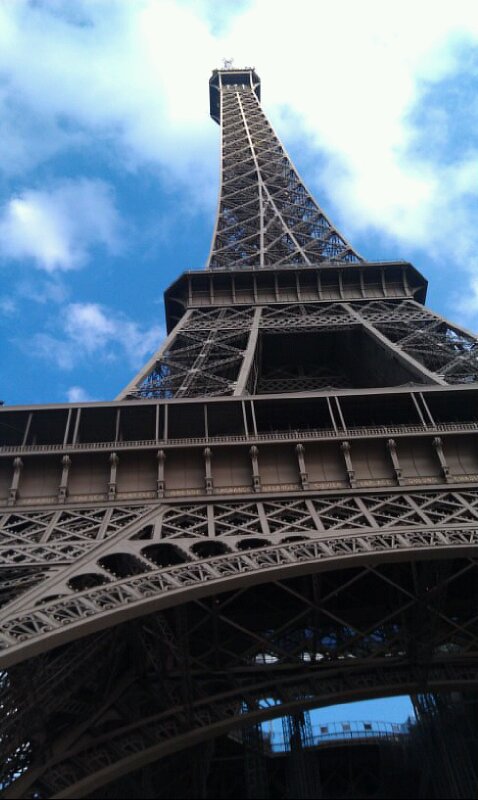
It’s pretty tall
I learned a great deal while abroad, and was able to see firsthand, examples of things I had learned about in previous classes. Seeing the product of the campaign to beautify Paris, known as Haussmannization, was more than awe inspiring. One of the most important things I learned is the difference between how we perceive war and how other societies, particularly the French, perceive war. For me war has always been a somewhat distant construct. Even though my family members have served in the military and been deployed during war, it was still happening far away. For Europeans, war has been close, in their back yard, at their door step. It is a much more real entity for them, one that leaves a very physical memory. It was an amazing experience visiting some of the war memorials such as the memorial at Mont Valerien, and the American memorial at Normandy. Entering the memorials was humbling to say the least. I could not help but to feel the weight of what those hallowed grounds represent, and the tragic memories they pay tribute to.
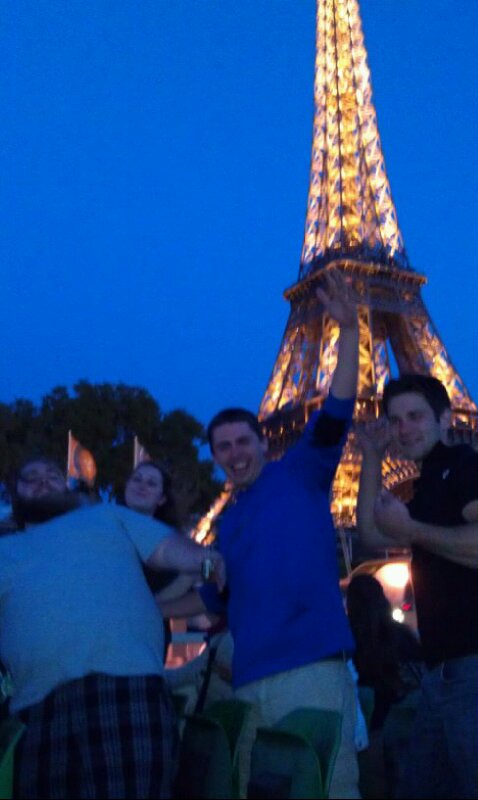
Great sight from the river tour
So, how has my experience abroad affected me? How has it not affected me is the real question. I have such a strong desire to return, and explore even more of Paris, and Europe altogether.
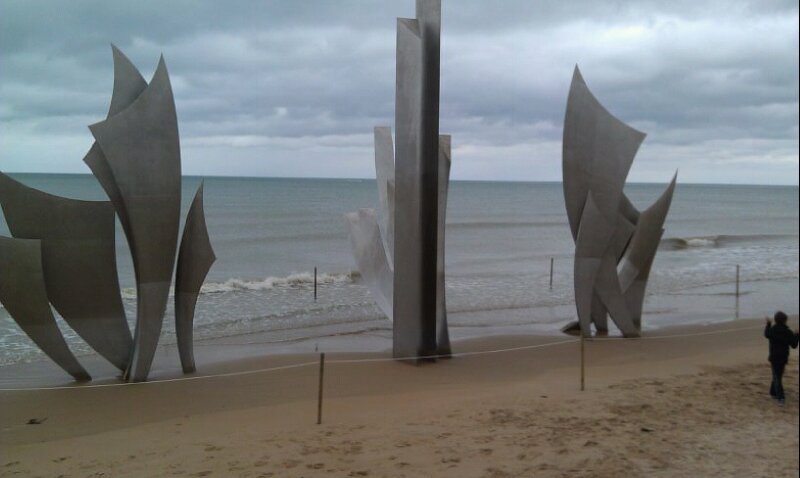
Memorial at Omaha
The trip opened my eyes to how much history lies in the stone facades of the buildings, the sprawling fields where battles were fought, and the amount of memories waiting to be uncovered yet.
]]>
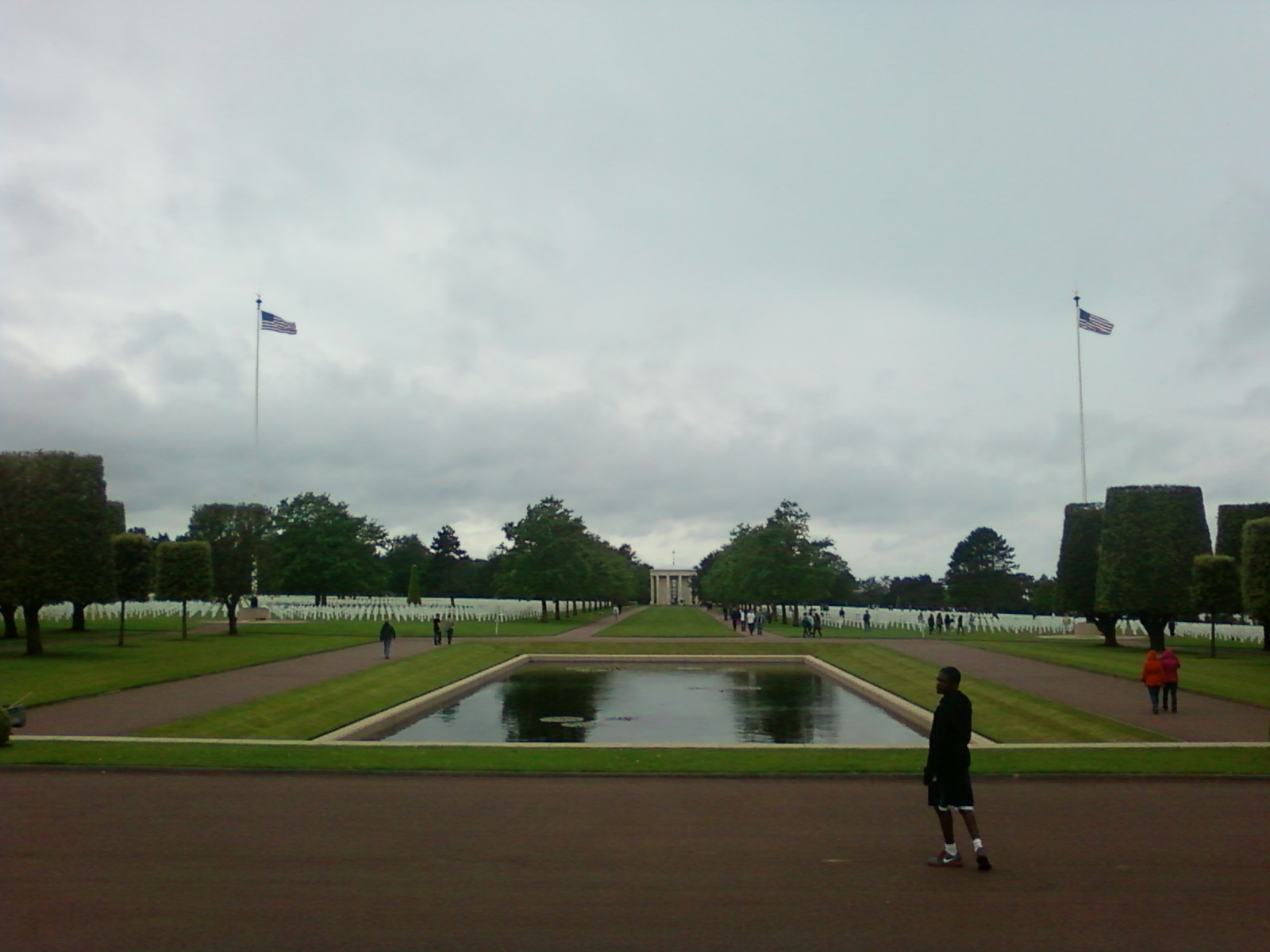
The American Cemetery
Taking a class at the university could never prepare someone for the things they might experience and feel when standing at the historical monuments in person. Yes, America has quite a few historical monuments that bring about similar feelings, but for France, World Wars I and II took place on their soil while we were an ocean away. Today’s American citizens could never compare such experiences of having their home country invaded and occupied, but for France the past still remains in the everyday of the citizens’ lives. Social order was heavily changed once France was occupied during World War II, with the weight of events still dictating how people act in social situations today by trying to have the utmost respect for another person despite differences so as not to repeat the mistakes made by others in the past.
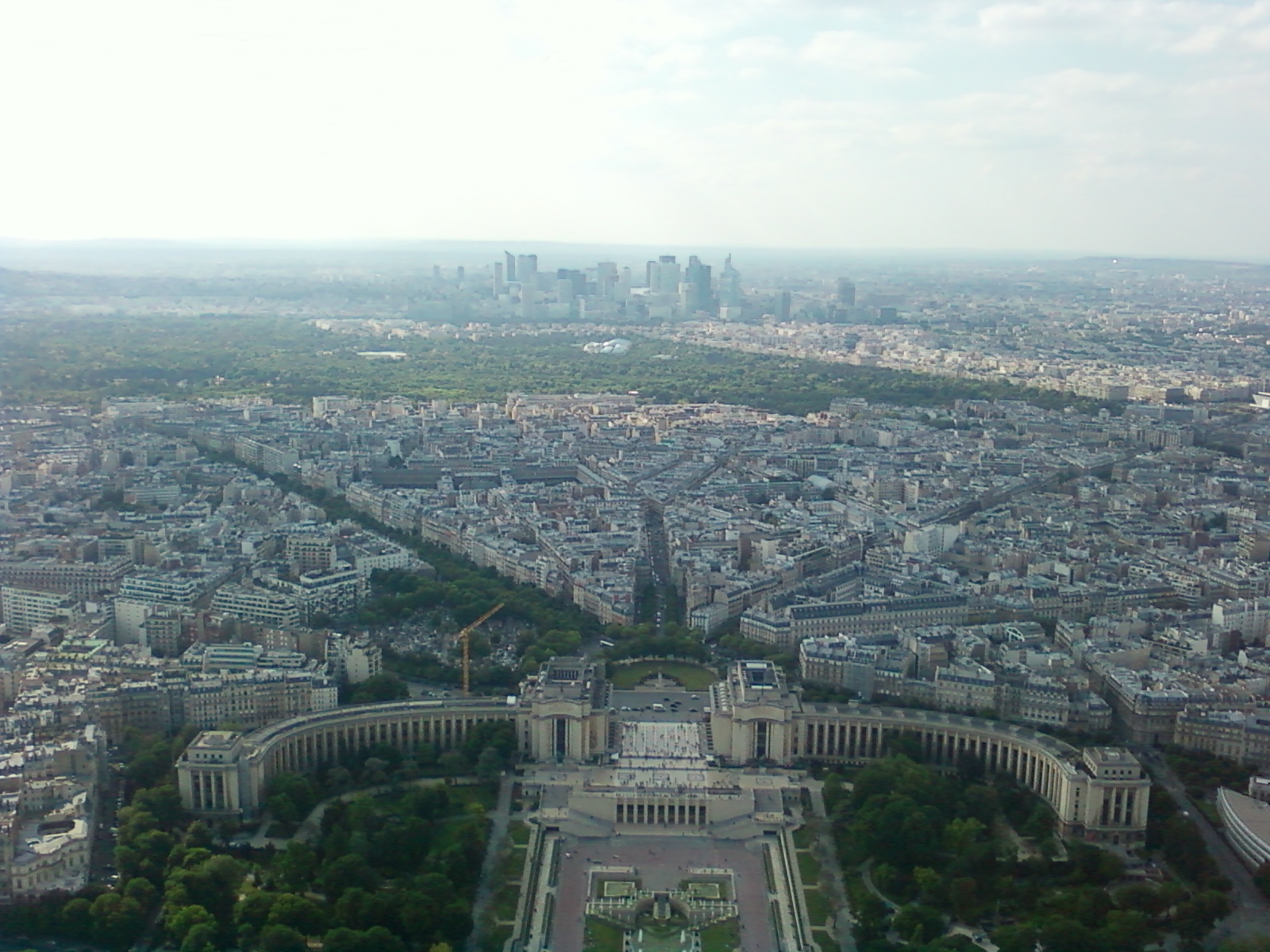
Sky view from the top of the Eiffel Tower
In total, the experience of studying abroad has really changed my thoughts on several issues here in the U.S., and though it is a bit hard to explain the feelings one might gain through studying abroad, I insist everyone take the leap of experiencing another culture at least once in their lives. The world, as it turns out, is much bigger and brighter than one could ever imagine, and the past memories that mold our world can turn every thought around the minute you learn how oddly similar yet different we are.
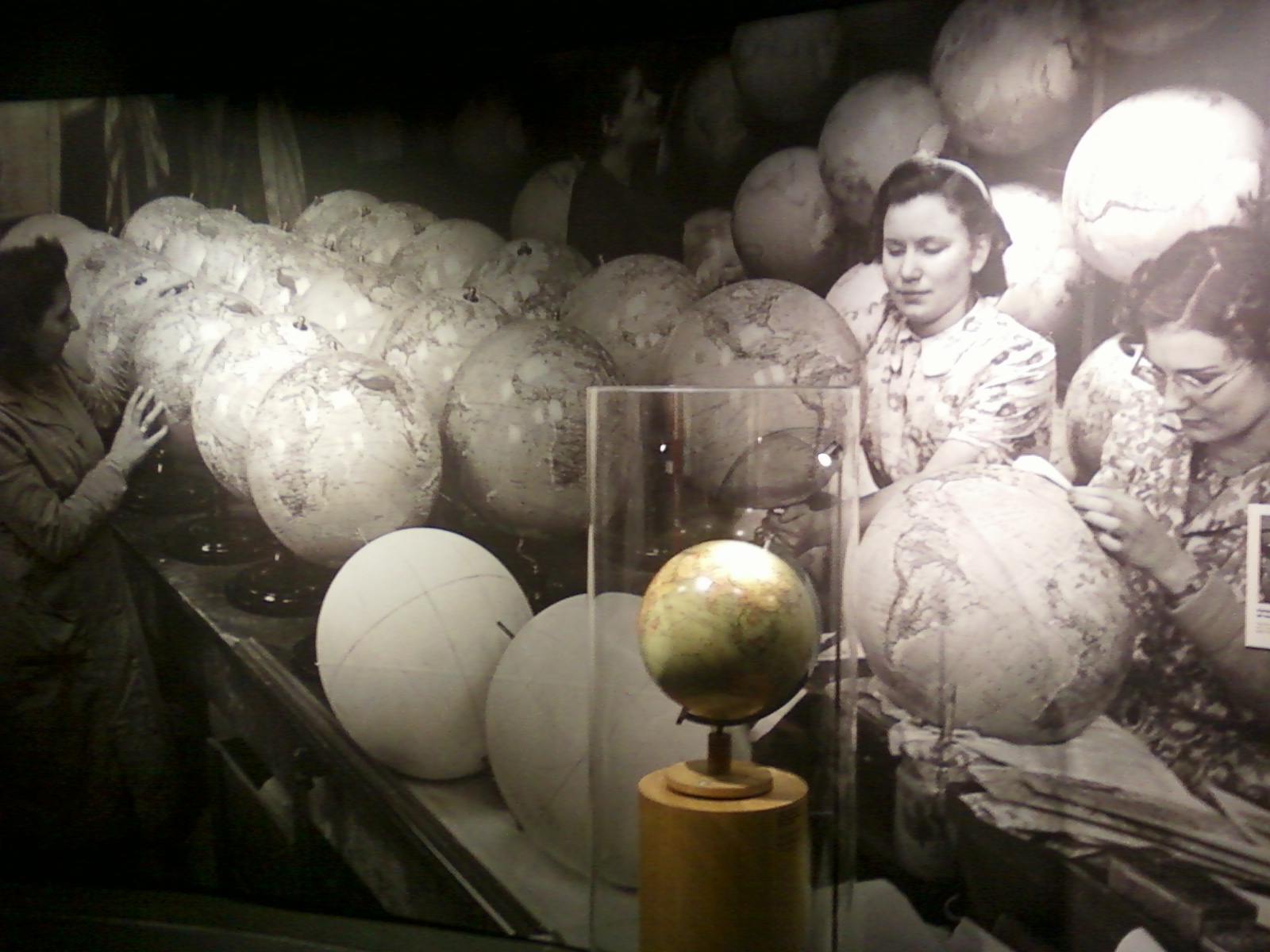
Making globes during World War II – Caen Memorial Museum

The entrance to the Bayeux Tapestry Museum. No photos were allowed inside.
The Bayeux Tapestry tells the story of the Battle of Hastings between self-proclaimed King Harold and the Duke of Normandy, William, (later known as William the Conqueror) as well as the events leading up to the battle. The tapestry starts out with King Edward (also known as Edward the Confessor), who is childless, sending out Harold to fetch William and tell him that he is the heir to the throne. Harold obeys his king and sets out across the English Channel but is soon shipwrecked in a land that is not Normandy, his destination. Harold and his fleet are taken captive by the local ruler and negotiations for Harold’s ransom begin. William is informed of Harold’s misadventures and demands his release. William takes Harold to his palace in Normandy where is well received and is even invited by William to join him in battle against the Duke of Brittany. During this battle Harold saves two of William’s Norman men and is knighted for his courage. William then requires Harold to swear an oath of allegiance to him as the future king of England and Harold obeys. After this Harold returns to England to a dying King Edward.
After King Edward’s death Harold breaks his oath to William and declares himself the king of England. Initially the people rejoice but after the sighting of Haley’s comet they begin to worry that sea invasion is approaching. William receives the news that Harold has appointed himself king against the wishes of King Edward, so after conferring with his half-brother William decides to build a fleet to cross the Channel and invade England. He orders master shipbuilders and craftsmen to build a fleet of ships. Once the fleet is prepared the men leave Normandy with light hearts for England. They land in Pevensey, disembark and quickly build a fortified town. In scene 47 of the tapestry a house is being burned down by a Norman soldier as a woman and child flee. The woman and child represent the refugees that fled the pillaging, invading Normans.
The Battle of Hastings finally begins on October 14, 1066. It is vividly portrayed through the use of color and borders. During the early scenes of the battle Norman archers can be seen. Along the bottom border during the battle the dead can be seen, as more and more men lose their lives before the end of the battle. The Battle of Hastings ends with the death of King Harold, likely from an arrow.
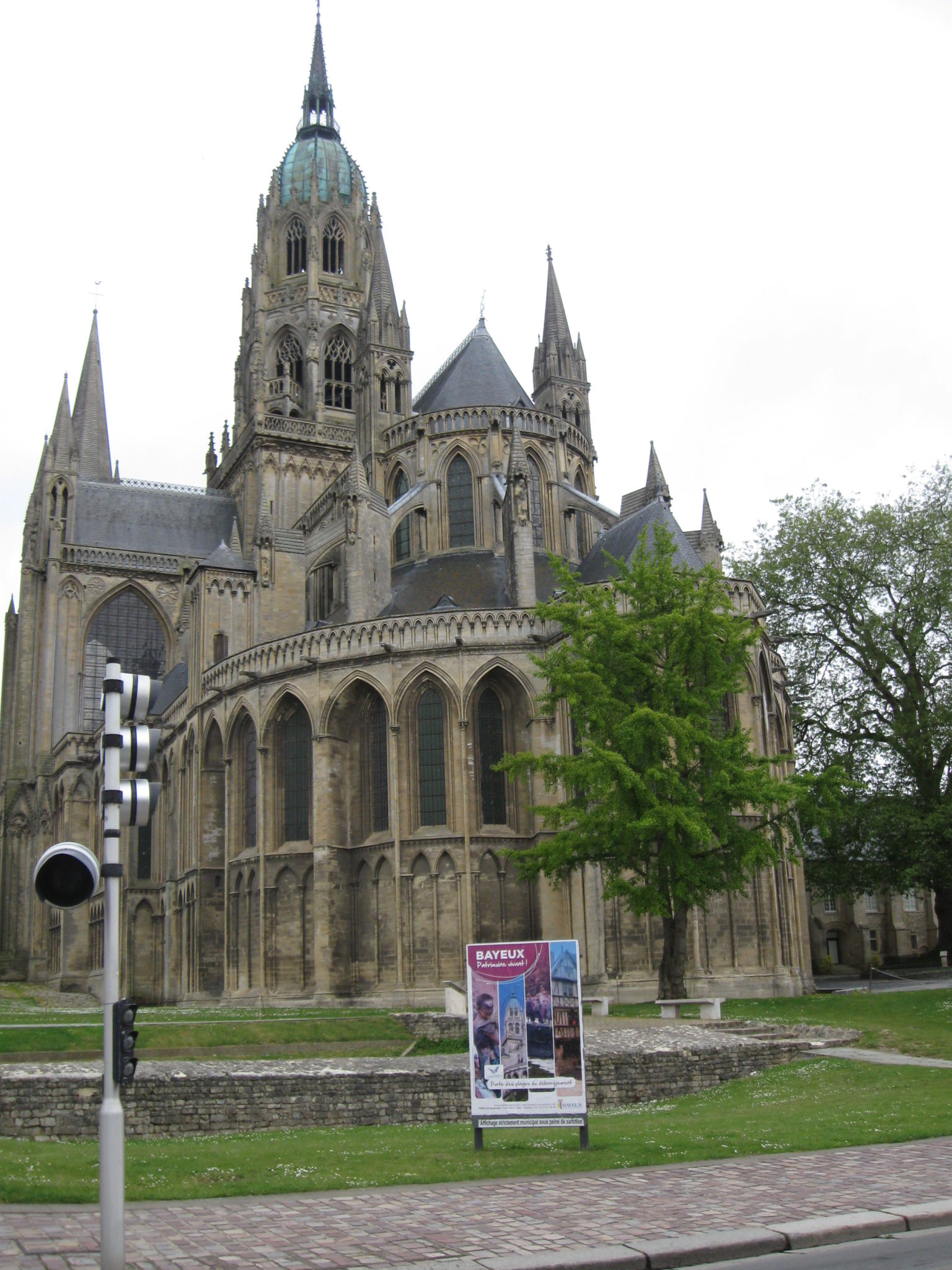
Bayeux Cathedral where the tapestry was originally hung
The Bayeux Tapestry was commissioned after the war as a piece of Pro-Norman propaganda. The tapestry tells the story of the defeat of the Anglo king, Harold, and the victory of the Duke of Normandy, William, through pictures, so it can reach a broad audience including the common people, many of whom at the time of the battle could not read. It was hung in the nave of the Bayeux Cathedral until the French Revolution when Emperor Napoleon moved it to the Musée Napoleon (later called the Louvre) in Paris. It was later brought back to Bayeux where it remained until World War II. During World War II the Nazis took the tapestry and it was briefly lost after the war and assumed to be in German hands, but it was soon found intact in the basement of the Louvre.
The Bayeux Tapestry isn’t actually a tapestry, but actually a long work of embroidery. Colored wool thread was embroidered onto a linen cloth using four different stitches: the stem stitch, chain stitch, split stitch and Bayeux stitch.
]]>Now students are scanning the sides of buildings for plaques and searching for signs and statues—on the sidewalks, on bridges, and in parks—that commemorate wars (and their victims and heroes) in some way. Some plaques indicate that a member of the Resistance lived in the building or was shot down nearby. Plaques on schools indicate the number of Jewish children who attended during World War II and who were deported. Some plaques and monuments focus on the glory of war heroes and thank them for their service and patriotism. There are also memorials, but not many, that focus on the complicity of the French government with the Germans during World War II. Students have been learning to decipher these “signs” (in the broadest sense of the word) and analyze what they say—and don’t say.
The principal topic of our classes is on the memory of war in twentieth-century France, so we have been talking about and visiting some sad and disturbing places. However, students have also been taking advantage of the lighter side of Paris. They have been getting out, exploring the city, and having fun.
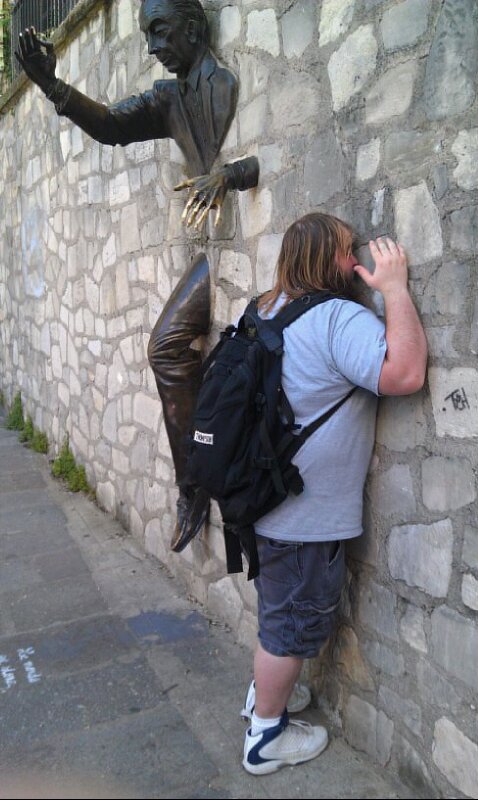
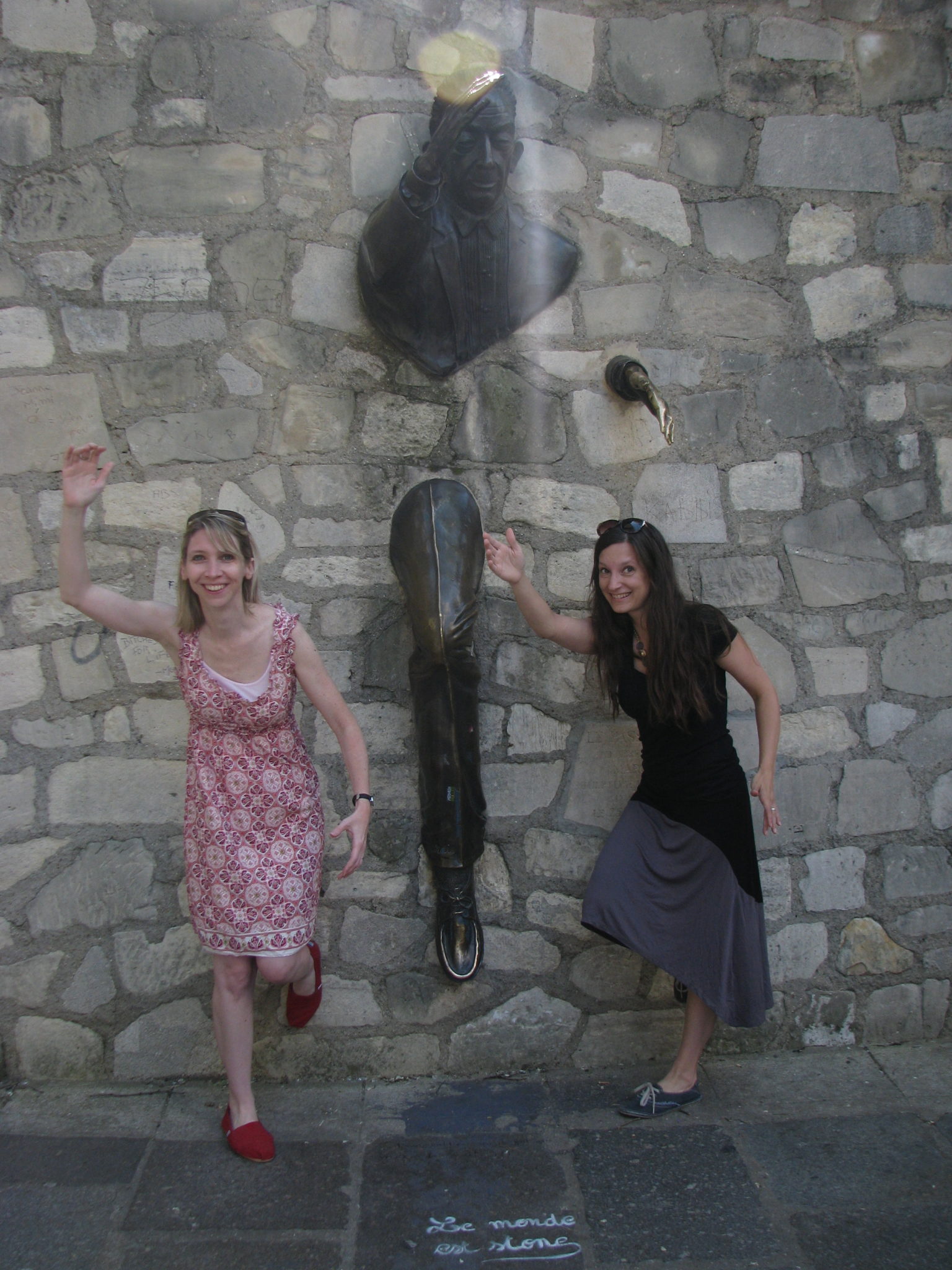
One of our literary readings for the course was an excerpt from Marcel Aymé’s The Transient Hour, a novel set in Occupied Paris. In addition to his war stories, Aymé wrote many fanciful works, for which he was well-loved and admired. We visited the plaza in front of his home in Montmartre, where there is a statue depicting Aymé as a character from one of his stories, a man who can walk through walls. Zack discovered that he has not yet developed this ability. Dr. Fogg and I got through the wall just fine.

The Louvre was a popular outing with our students. In addition to getting to see some great works of art, they were able to have some great fun, too!

Andrew wanted a different perspective of the Louvre
Students have been carefully planning their wardrobe to coordinate with our outings. Rob wore his zombie T-shirt to Père Lachaise Cemetery and Rebecca wore her queen T-shirt to Versailles.
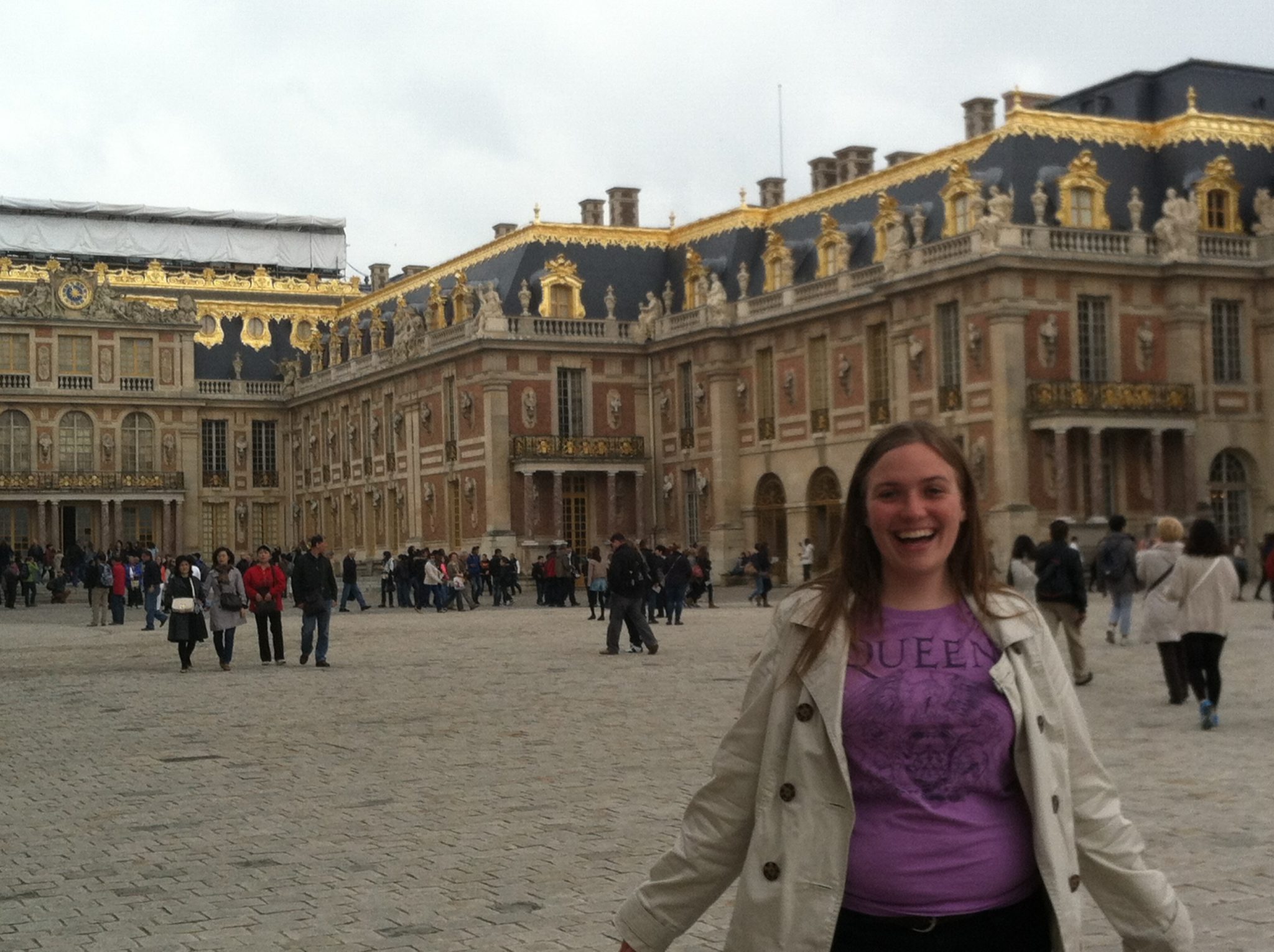
And Rebecca planned her wardrobe for Versailles.

Rob carefully planned his wardrobe for Père Lachaise Cemetery
We’ve been eating new foods.
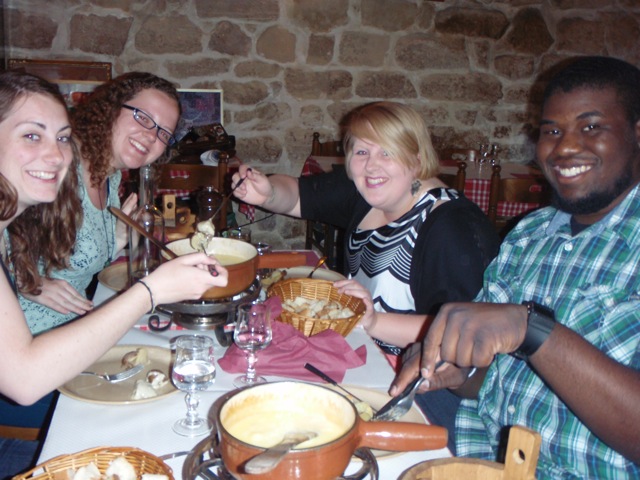
Courtney, Courtney, Claire, and Delancey sample fondue
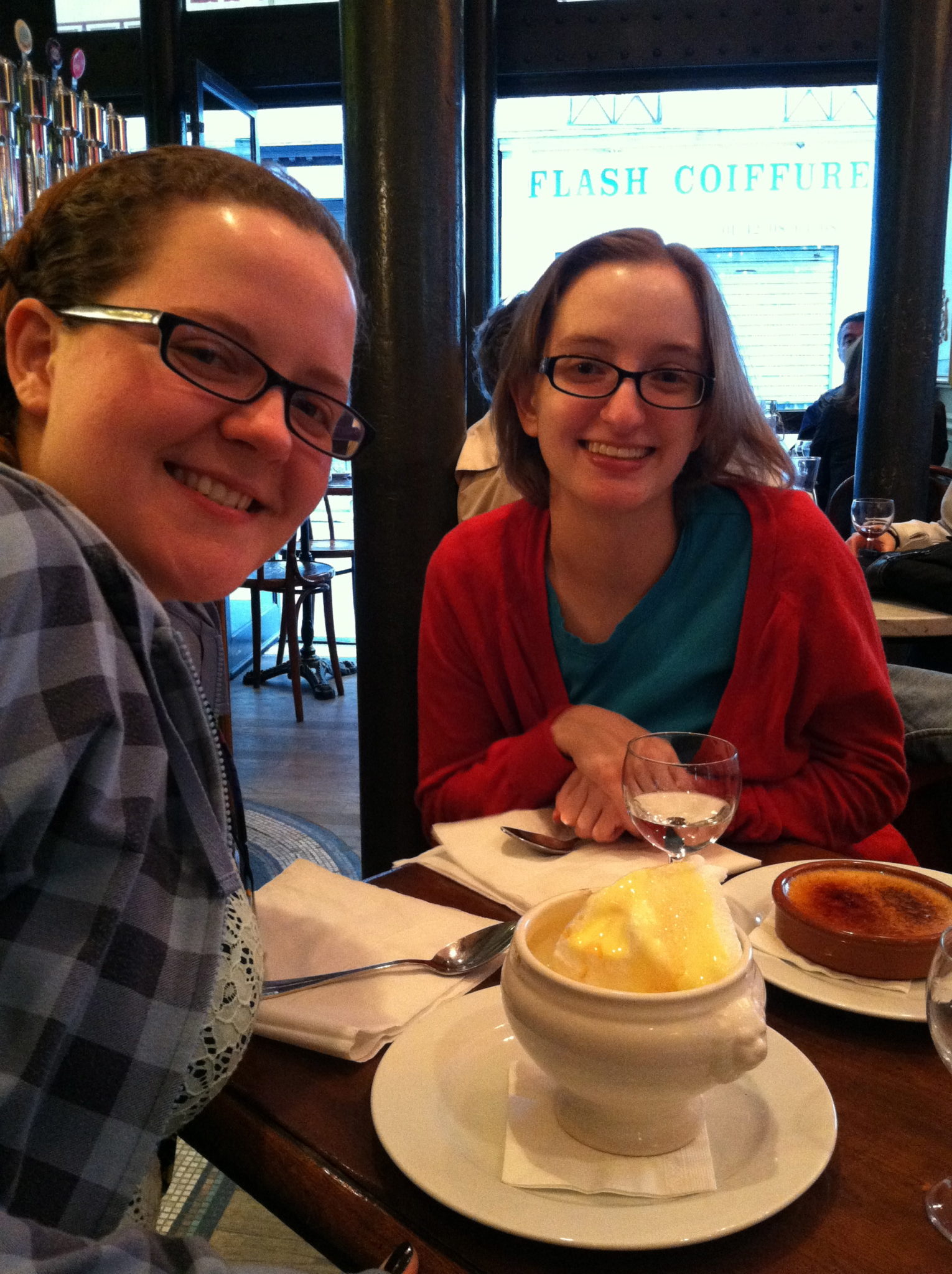
Courtney tries an île flotante and Caroline tries a crème brulée
We’ve been developing new notions of personal space on the metro.

Stephenie, James, Zack, and Stephani in the metro
We’ve been taking lots of pictures.
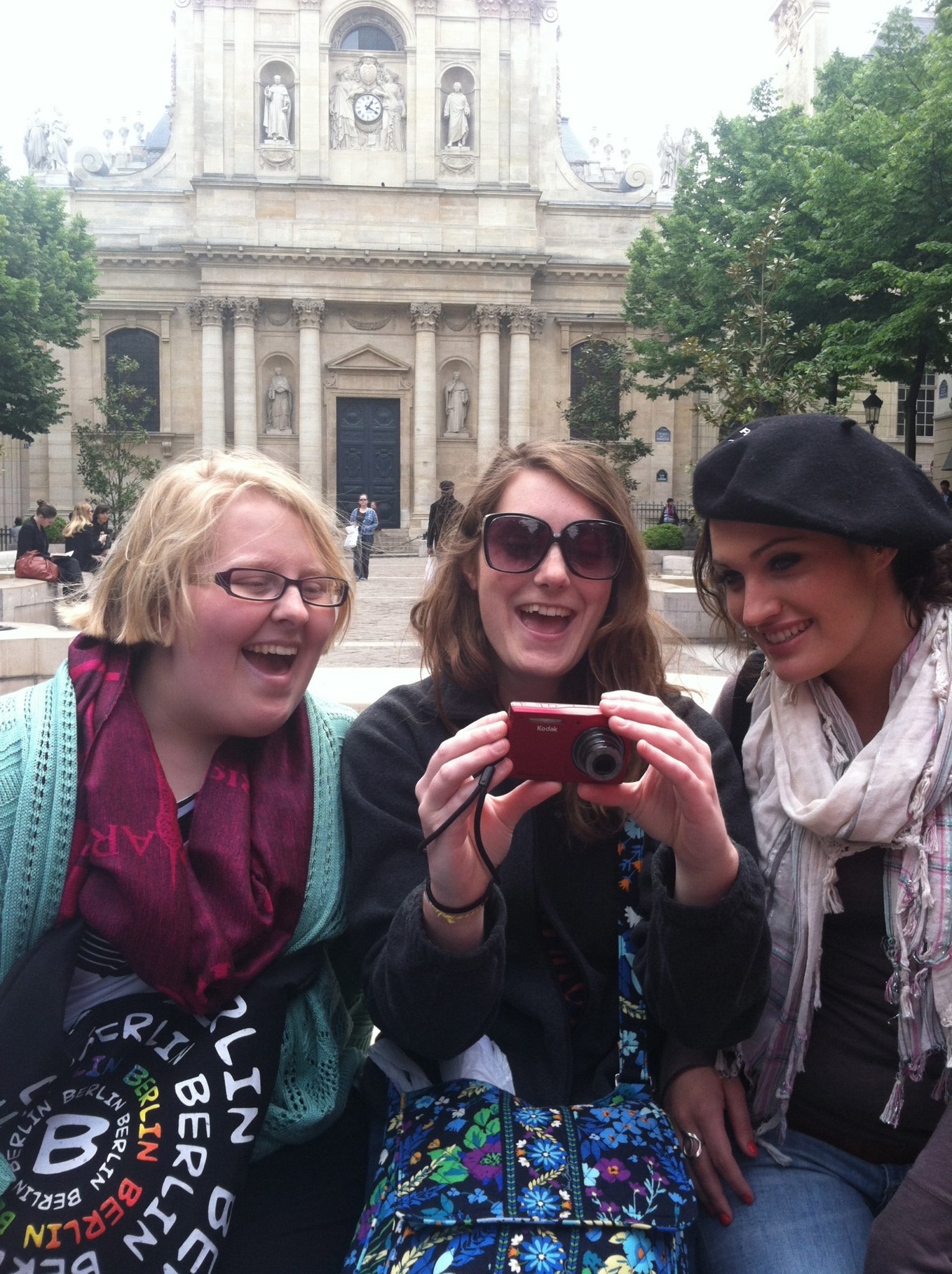
Claire, Courtney, and Stephani in front of the Sorbonne
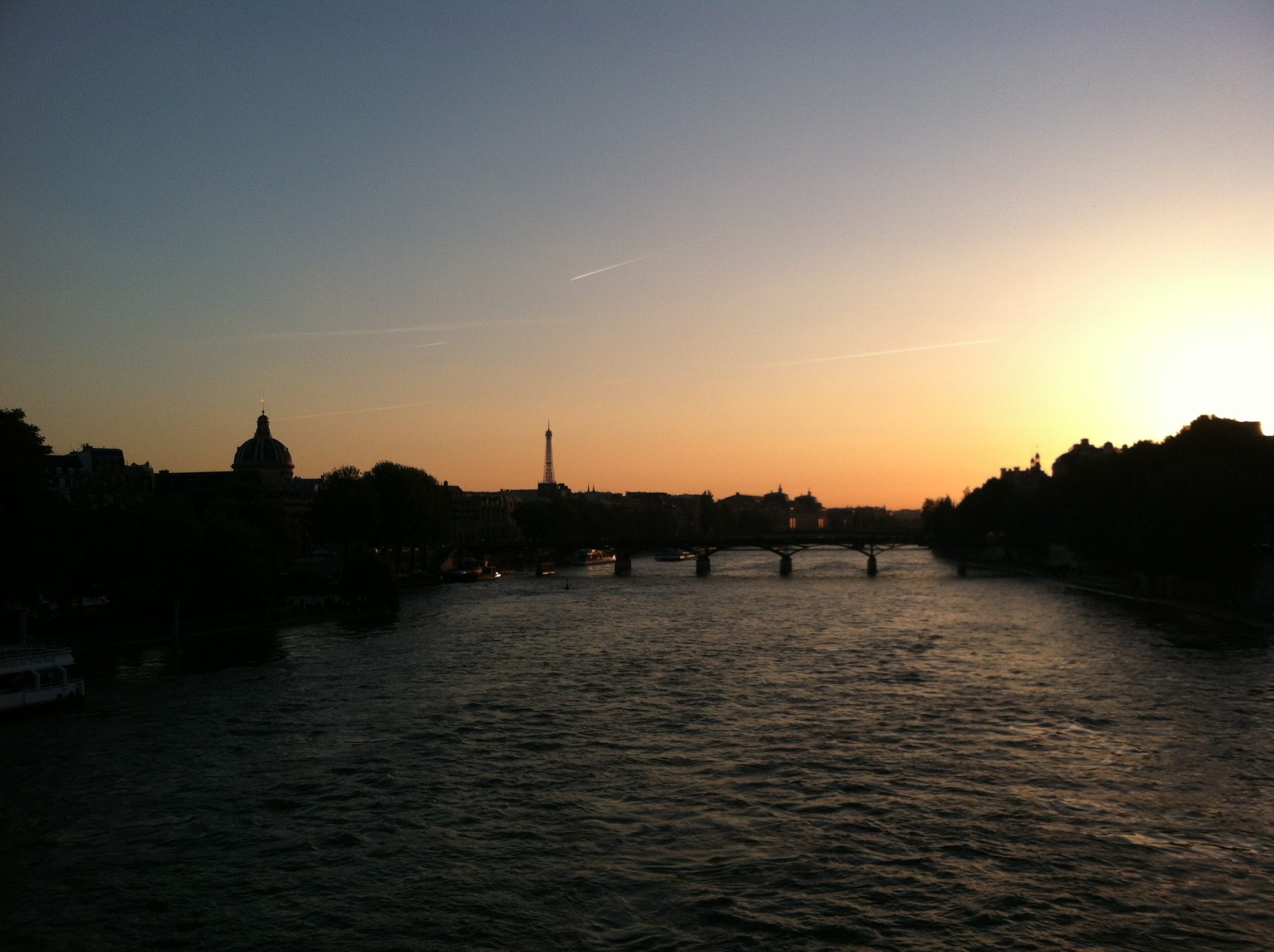
We went for a fun evening river cruise on the Seine.
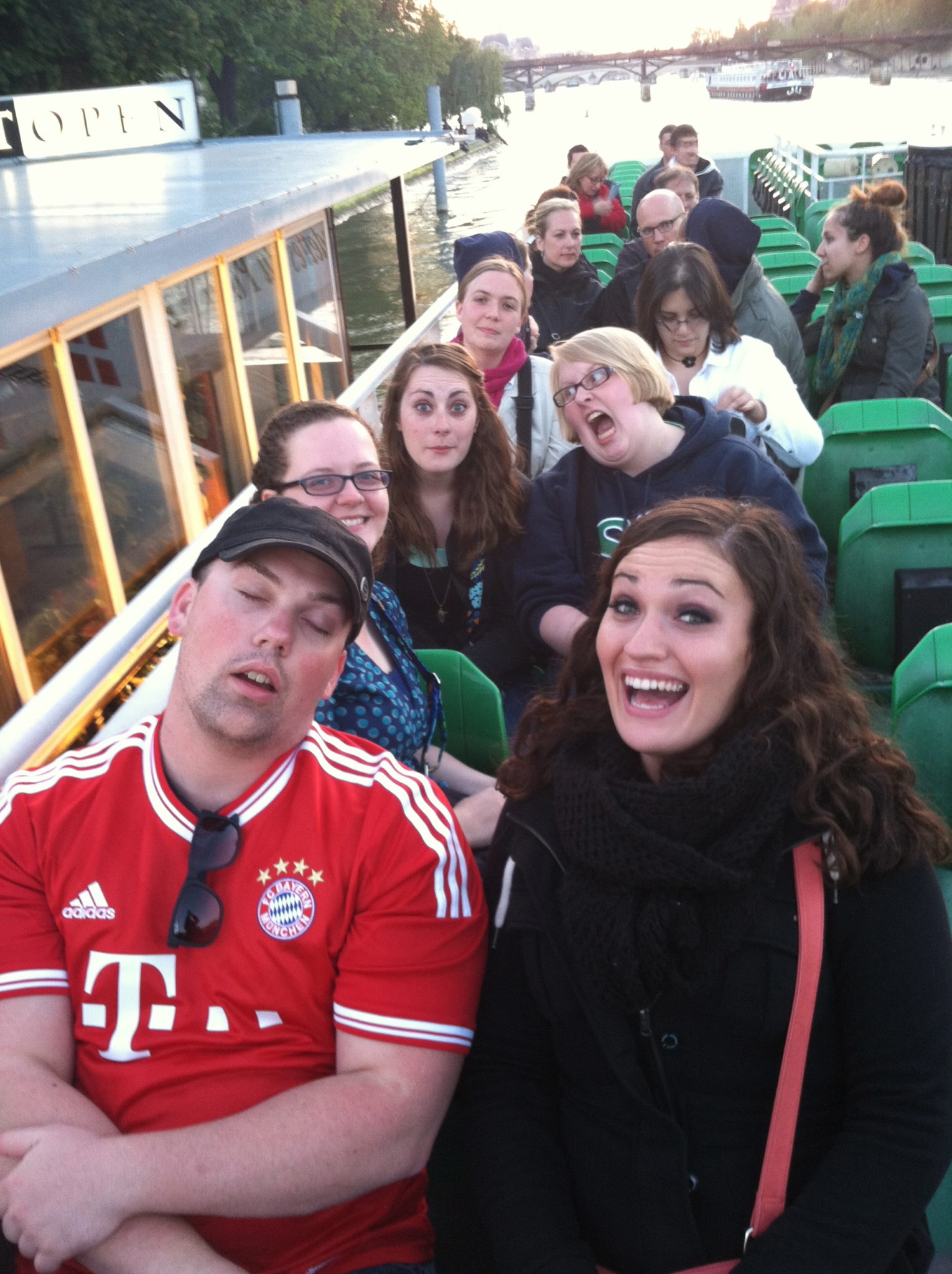
This side of the boat was being silly.
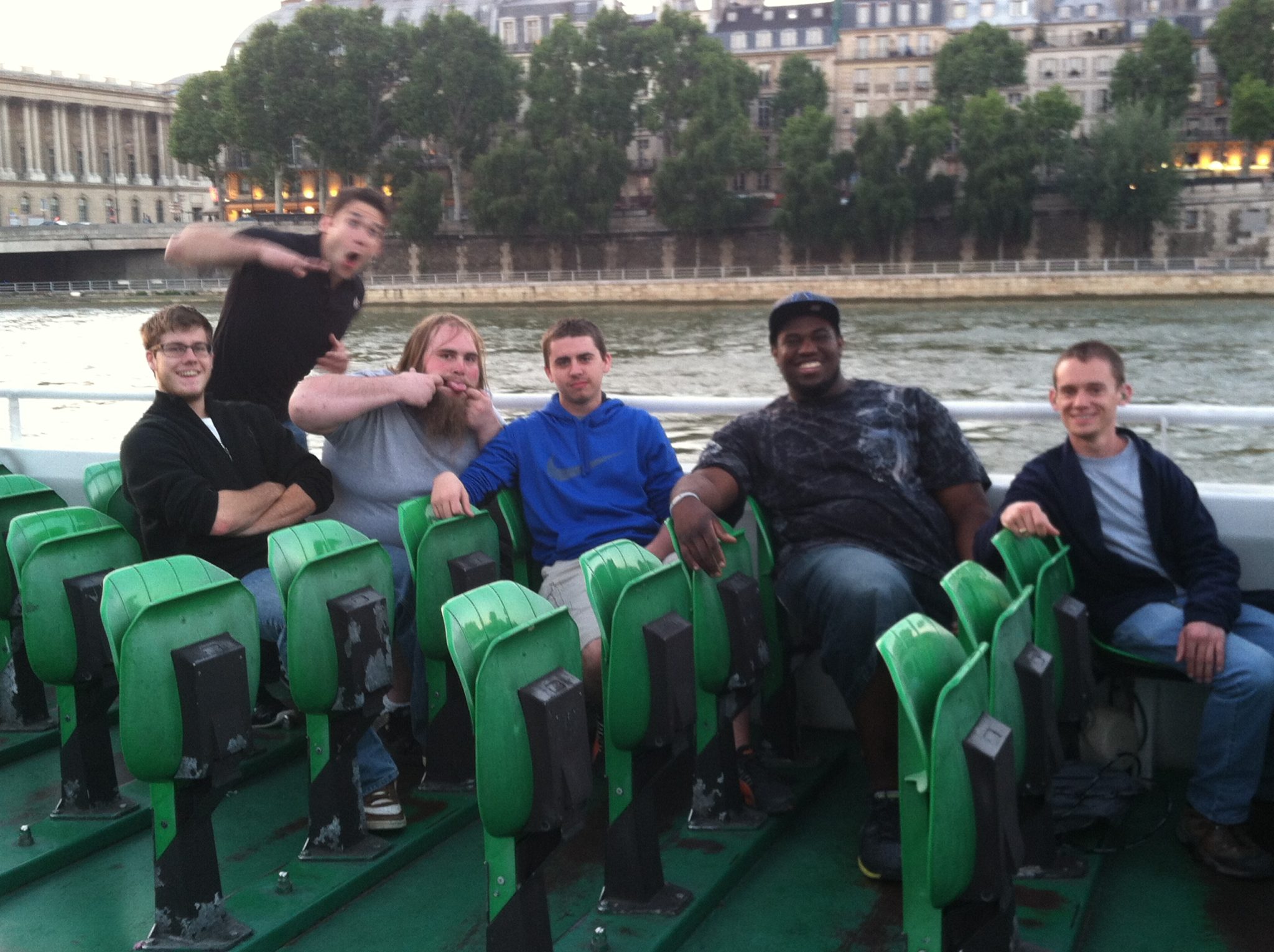
And so was this side!
Best of all, the entire city has served as our classroom. Students have given presentations in front of the Pantheon, the Eiffel Tower, Les Invalides, Père Lachaise Cemetery, and many other places.
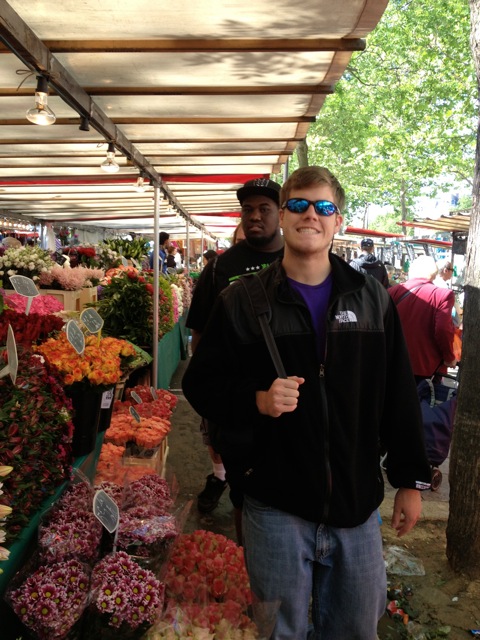
Will checks out the Bastille market
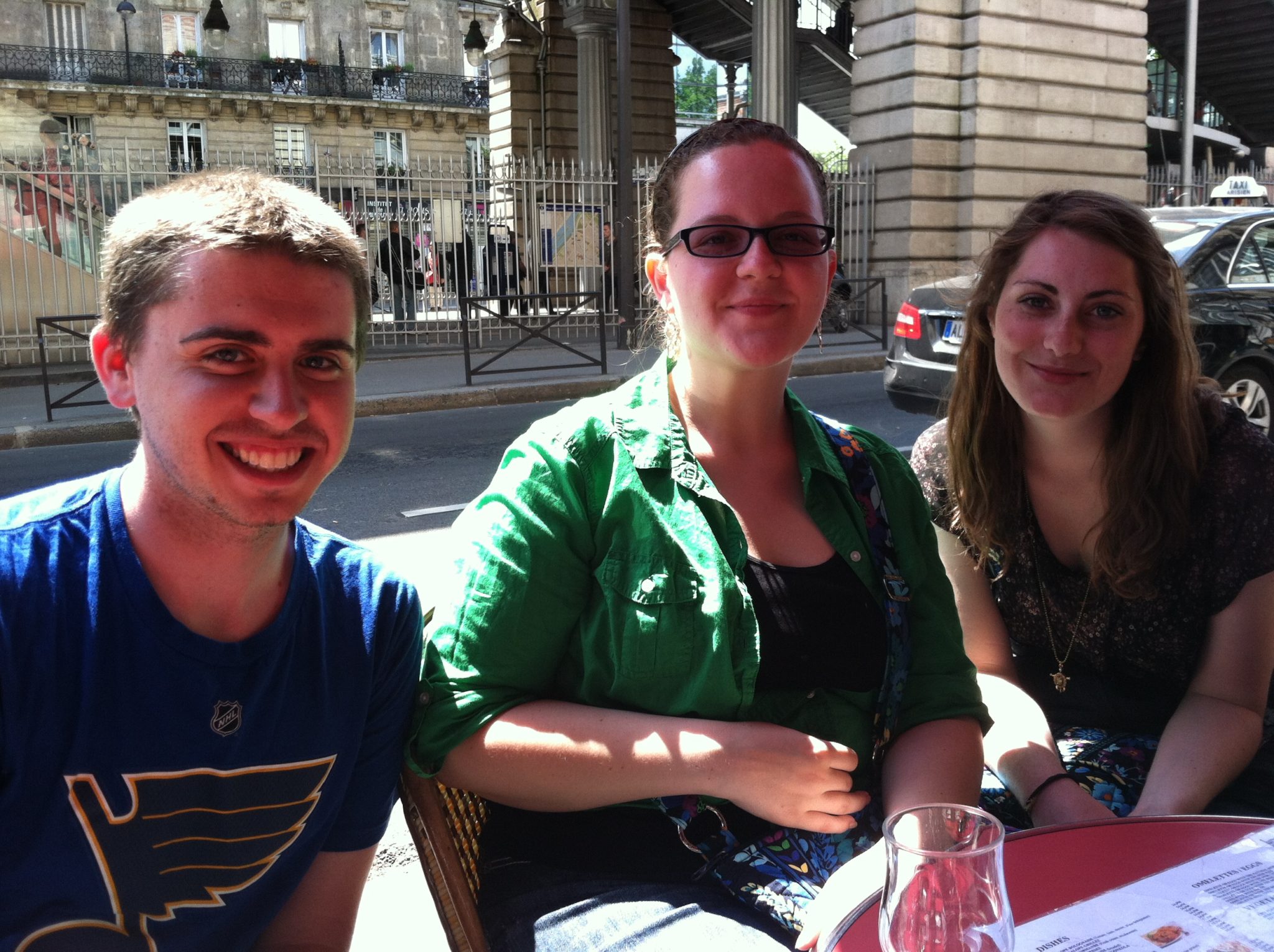
James, Courtney, and Courtney relax at a café
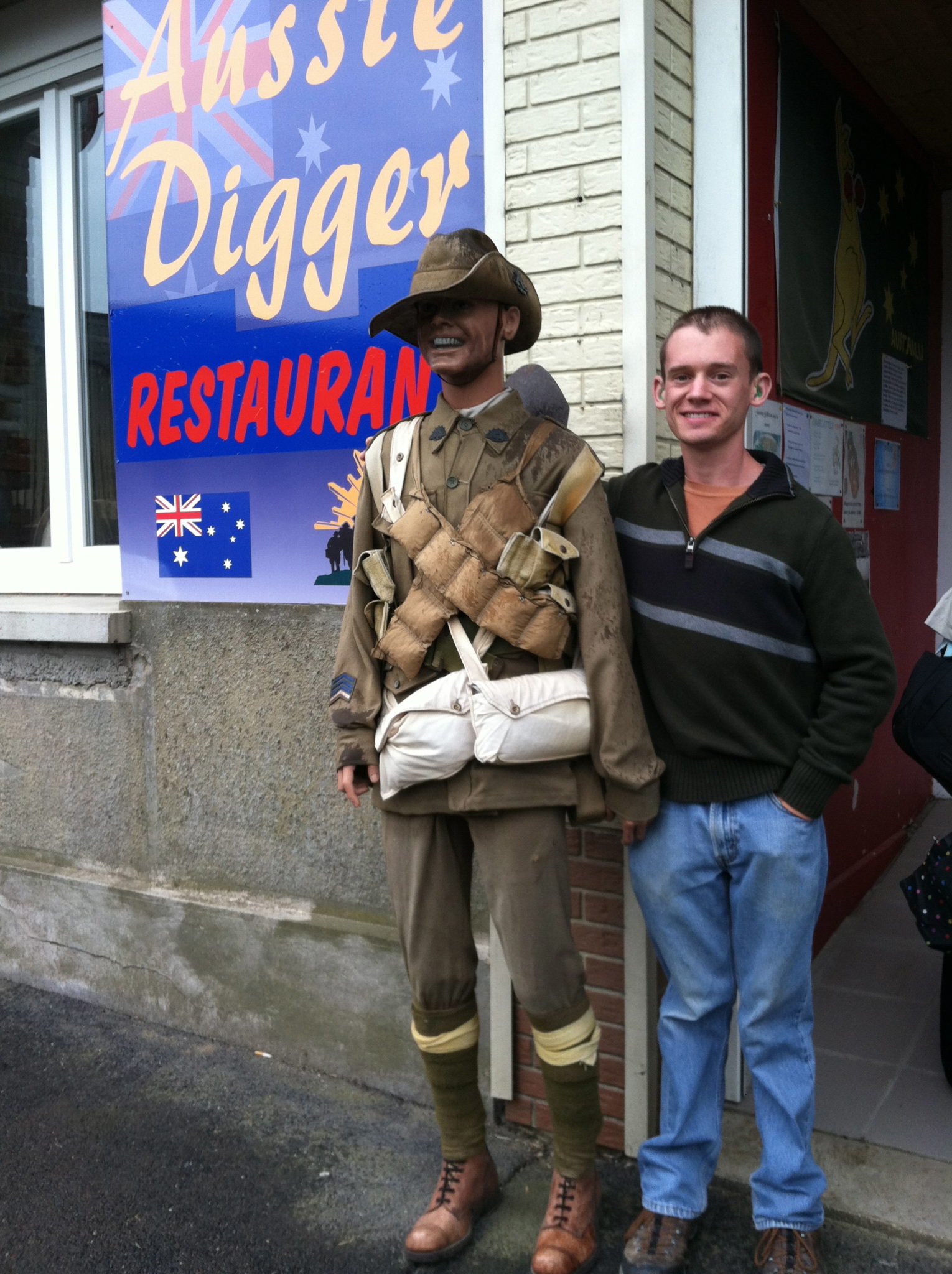
Bob makes a new friend in the Somme
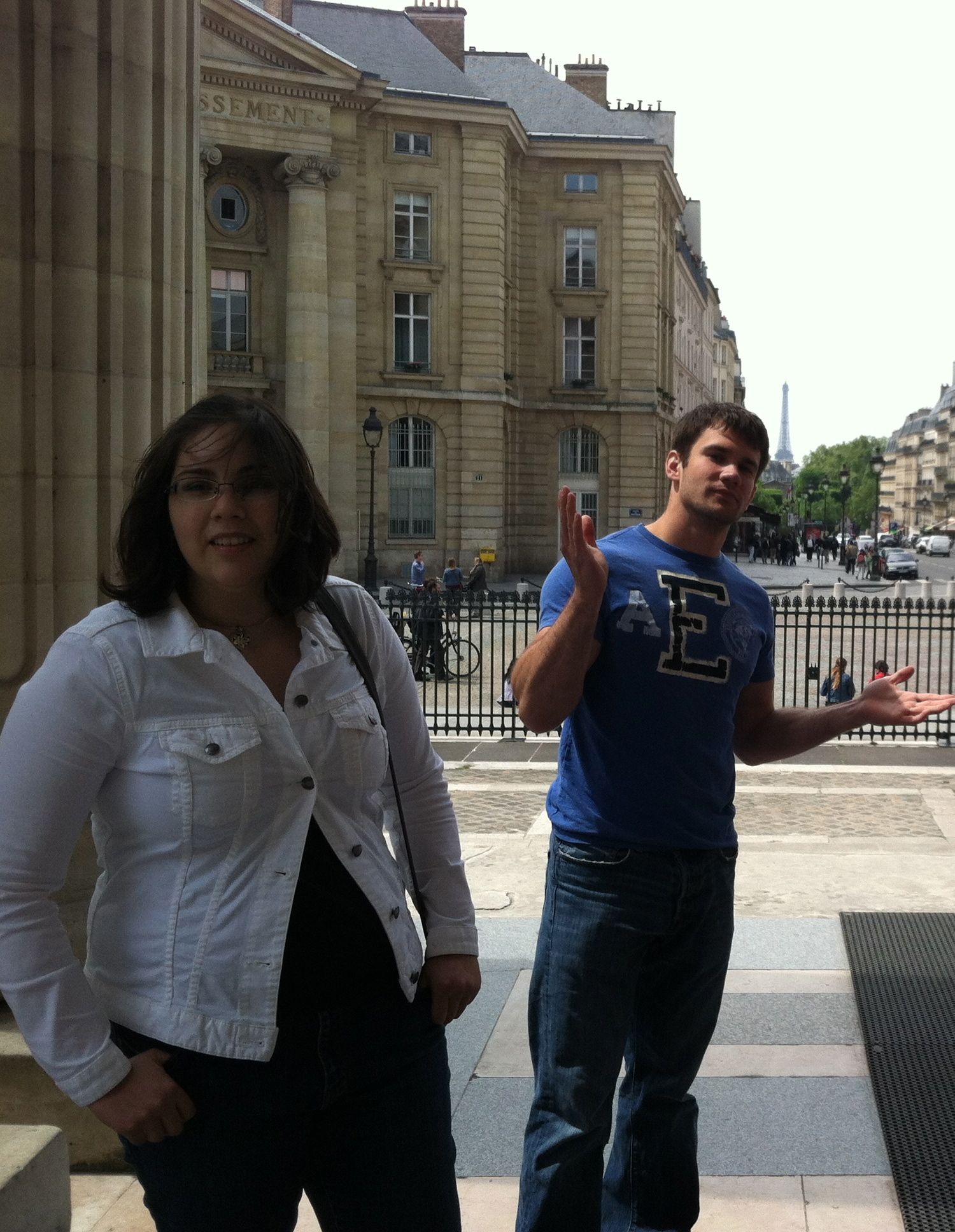
Georginna and Andrew at the Pantheon with the Eiffel Tower in the background
The professors have been having fun, too!
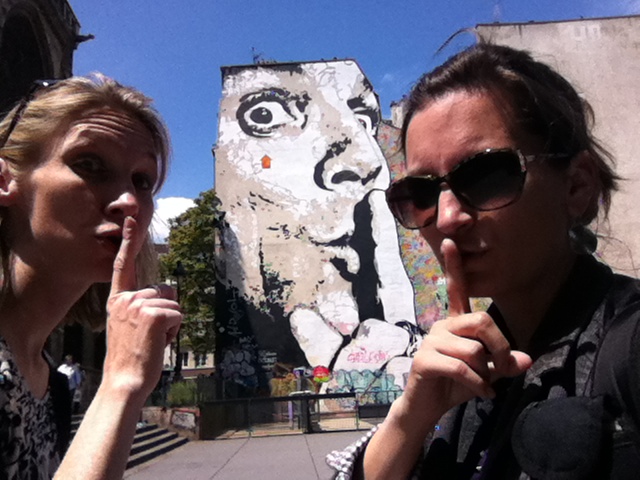
Shhh! Don’t tell them–we’re enjoying the trip, too!
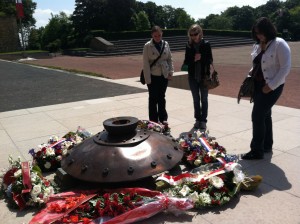
The eternal flame at Mt. Valérien
At the beginning of the trip to Mont-Valérien we traveled to an area just outside of the city of Paris. We walked up a hill towards the fort, and at the entrance we saw a giant wall and an open area in front. The area in front was symbolic of France in the fact that it was made to represent the French flag. The steps were blue, the middle was beige to represent white, and the path around the middle was red. The flame in front was called the “eternal flame” which burns in memory of the Resistance. [The Resistance leader Charles DeGaulle dedicated the memorial site on 18 June 1960, the anniversary of his call for Resistance from London.]
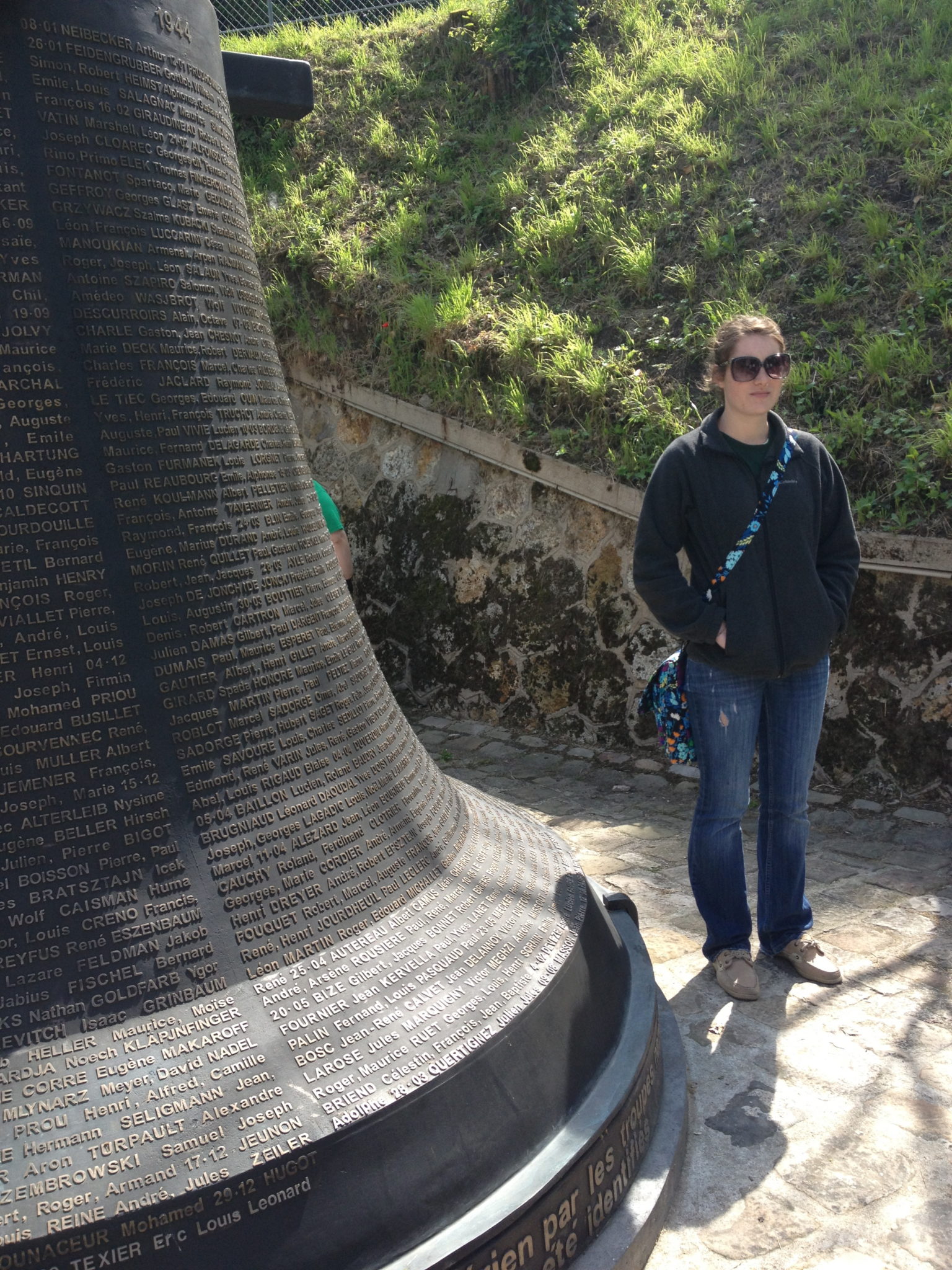
Memorial bell
The beginning of our exploration of Mont-Valérien began with the tour guide telling us a brief history of the fort. It was built in 1841 when King Louis Phillipe was ordering forts to be built around Paris in order to have a better defense system. 16 forts were built (Mont–Valérien is built on the highest ground) in the shape of a star for strategic purposes, making them almost impenetrable. The points made it easier to not only defend Paris from enemies but also spot them as they approach. Mont-Valérien has 2 ½ km of walls and during the 4 year Nazi Occupation the fort was used as an execution site. [The victims executed were resisters and hostages taken in reprisal for Resistance activities, mainly Communists and Jews.] I found all of this information very enlightening considering the very few things I knew about the fort before the tour. Next, we went inside the memorial and up the stairs. Our first stop was at a tunnel where they used to keep the animals that helped build and run the fort. On the other side of that tunnel was where the actual executions took place. Afterwards we went up the stairs until we reached the top of the hill. The area was very peaceful and heavily forested. The top was cleared and there stood a museum, a church, and a bell-shaped monument.

Inside the museum you can learn about victims and the history of the Resistance
The museum held a lot of interesting information such as about how the Germans put a V for victory on the Eiffel Tower to try to deter the Resistance. The one thing in there that made this fort very eerie to be in was the last letters the victims sent to their families. Out of the 1,009 people executed there, they have 19 of these letters on display. As one of the letters was read you could hear the emotion behind the words, and I couldn’t even imagine how hard it would be to have to write something like that. The next thing was the church right by the museum that was called the “antechamber of death.” It used to be used for mass but during the Occupation they used it to hold the prisoners for up to eight hours before their execution. On the walls are still traces of the messages some of the prisoners left before their execution. It was fascinating but at the same time surreal to see something like that.

Inside the chapel where prisoners were held in the moments and hours before their executions
Our tour guide told us that not many Americans go to see Mont-Valérien because the U.S wasn’t involved in the executions that occurred and the memory of it. Everything there was in French because mostly Frenchmen were executed there and French go there to honor the fallen. [Foreigners were also executed.] I felt like we were trespassing a little since it was so heavily in a French point of view, but at the same time I was honored that I had the opportunity to see something like this that many don’t get to see. My time at Mont-Valérien was both a humbling and great experience that I won’t forget.
]]>The building itself was begun under the reign of King Louis XV as a dedication to Saint Genevieve. Construction began in 1758. It was not completed during his reign, however, and when the French Revolution occurred the original plans were modified.
It is a strange mix of the ideals of the French Republic and religion. On the walls are beautiful paintings depicting the story of Saint Genevieve, who is the patron saint of Paris. Her story is she calmed the people of Paris while the approaching army of the Huns threatened them. She organized city prayers, and the army turned back and never set foot in Paris. She was believed to have created the miracle, and is forever recognized as the patron saint of Paris.
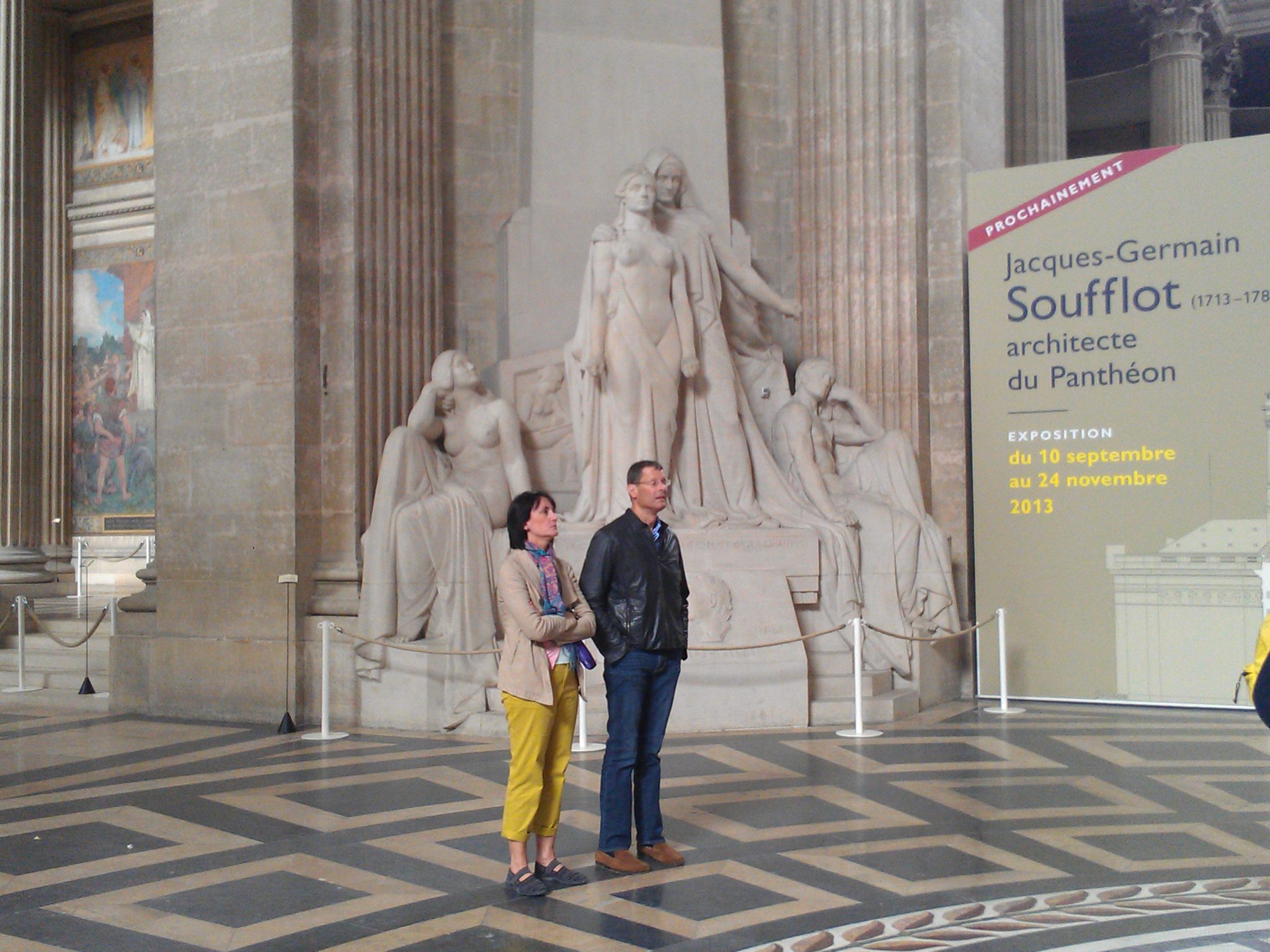
Along the rear walls is a memorial to the writers that were killed during WWII. The writers during this time were politically involved, and often were persecuted if they did not abide by the German censorship during the occupation. The memorial lists the names of those writers, and recognizes their sacrifices.
Underneath the building are the crypts. The crypts are generally simple with the exception of a few famous figures, such as Voltaire’s statue. Jean Moulin is also buried here, and he was an important figure for the French Resistance. He helped to unify France during WWII and worked with Charles de Gaulle during the Resistance.
He started his political career in 1937 as the youngest prefect, but during the German Occupation he refused to cooperate with the German government. He was tortured by Gestapo, one of the highest ranking officers in the Nazi regime, but he never succumbed. He was later removed from his position by the Vichy government and tortured again for his involvement in the Resistance.
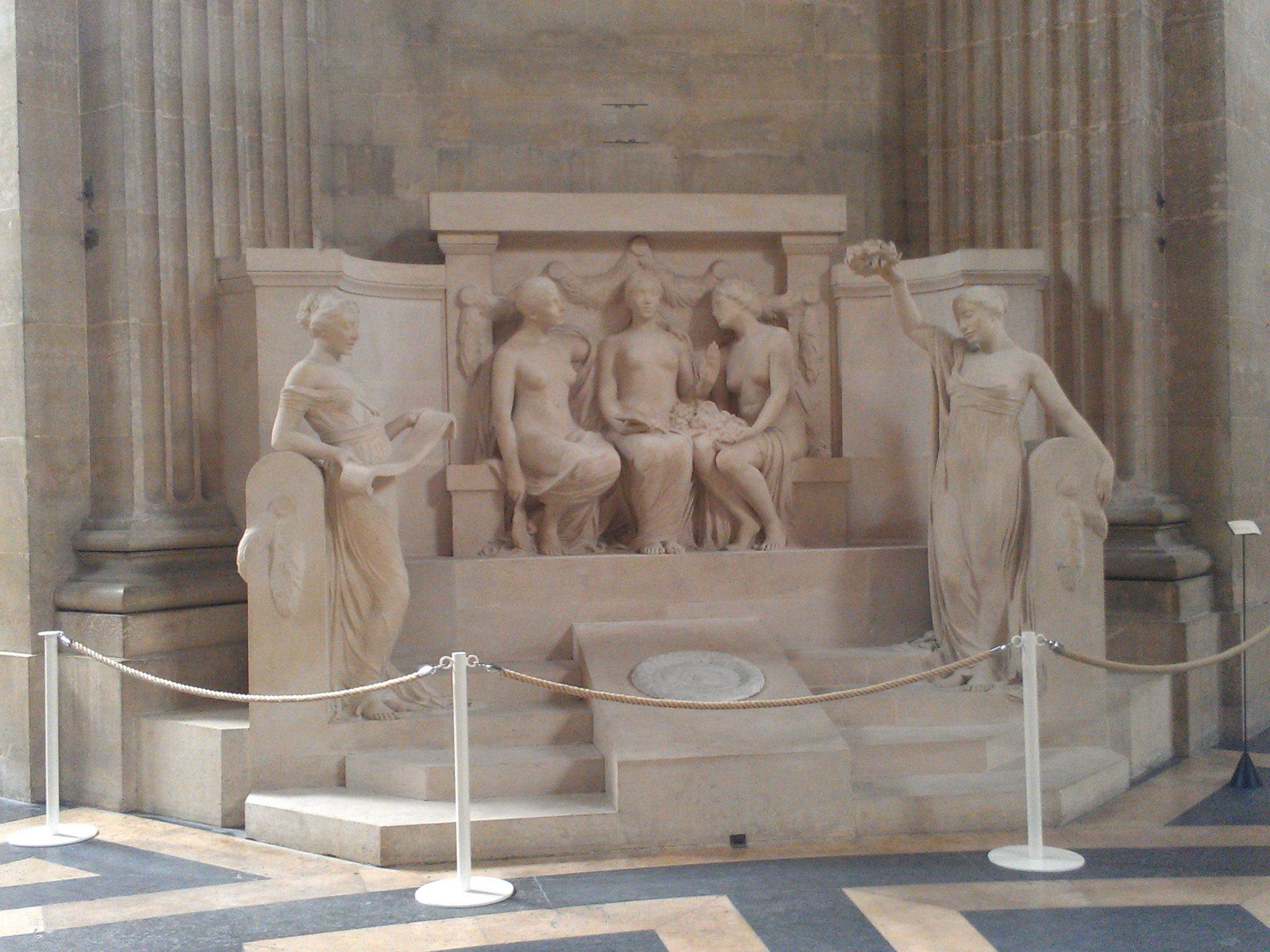
Sculptures at the Pantheon
While in prison he attempted to commit suicide by using a piece of broken glass to slit his throat, but the failed attempt left a scar that he would hide with a scarf. The image of Jean Moulin with a scarf is the most popular and common image throughout Paris. In June 1943 it was officially recorded that he died on the train to a concentration camp, but some believe he was simply beaten to death by the Gestapo. In 1964 his ashes were moved to a crypt in the Pantheon.
This is a great place to visit since it does not receive as many tourists as other areas, although the map for the crypt is very confusing!
]]>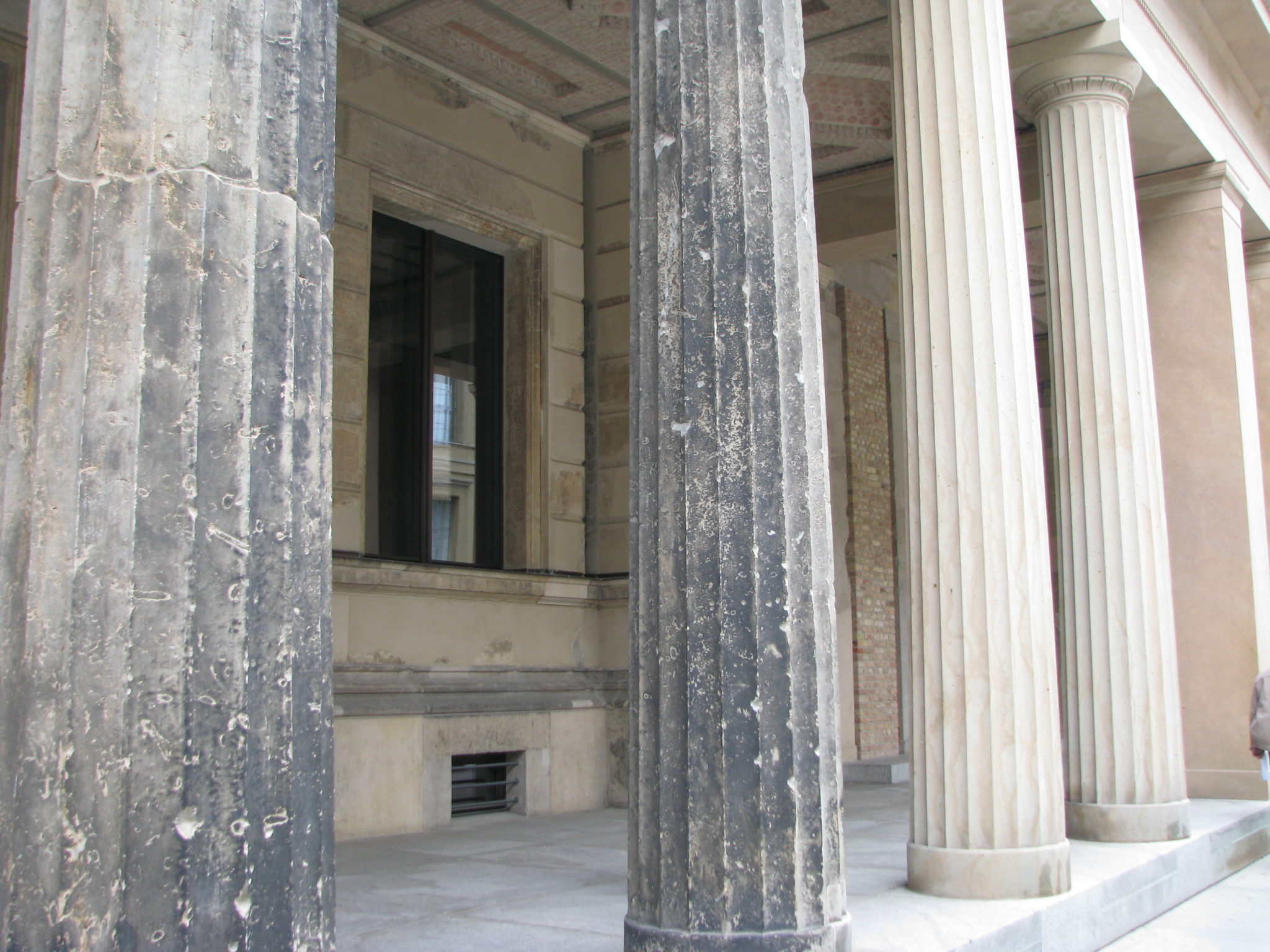
Artillery damage on the original columns outside the Pergamon Museum.
This past weekend, the students had a break from coursework to explore Paris or other European cities. I traveled to Berlin to see a friend of mine who now lives there. It was my first time in Germany, and like Claire, one of our students who also visited Berlin this weekend, I found the differences from Paris striking. You can read about Claire’s impressions here.
Traces of war and its aftermath are visible everywhere in Berlin. Buildings and monuments are scarred by bullets and artillery. Allied bombings damaged and destroyed much of the city, but importantly, many remains of the city’s landmarks have been preserved to serve as reminders of architectural and artistic accomplishments, but also of the country’s Nazi past.
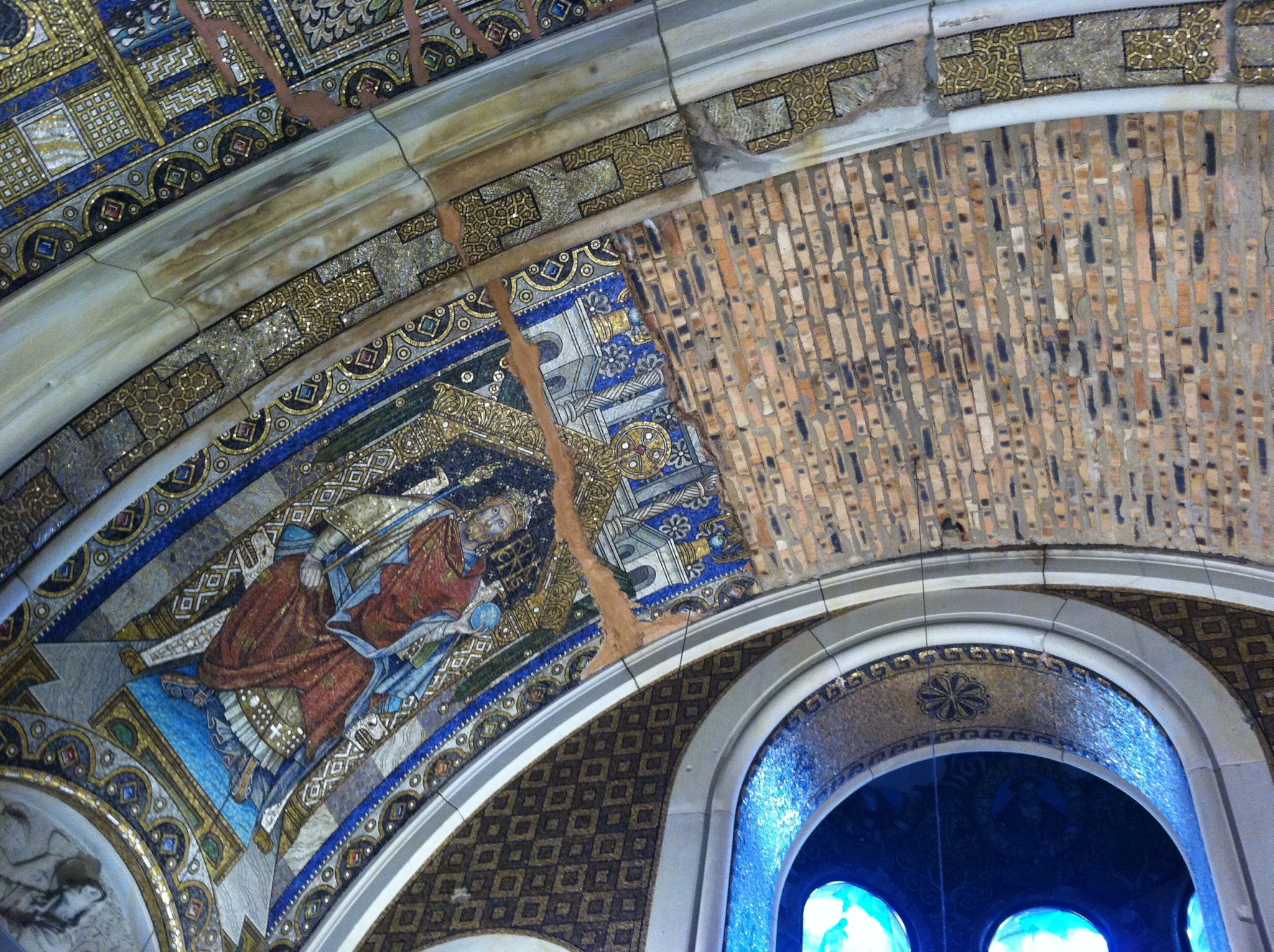
Inside the Kaiser Wilhelm Memorial Church.
Inside the Kaiser Wilhelm Memorial Church, built in the 1890s, you can see some of the beautiful mosaics that decorated the interior. But there are large sections missing on the ceiling and on the floor. In fact, most of the church itself is missing because of a 1943 bombing raid. A display inside explains the history of the church and its preservation. When the structure was scheduled for demolition in the 1950s, the people of Berlin protested, wishing instead to preserve it as a monument to peace and reconciliation. Another example of this type of memorialization is the former railway station Anhalter Bahnhof. During World War II, the station was used to deport tens of thousands of Jews. Today, though, all that is left standing is the central section of the front entrance.
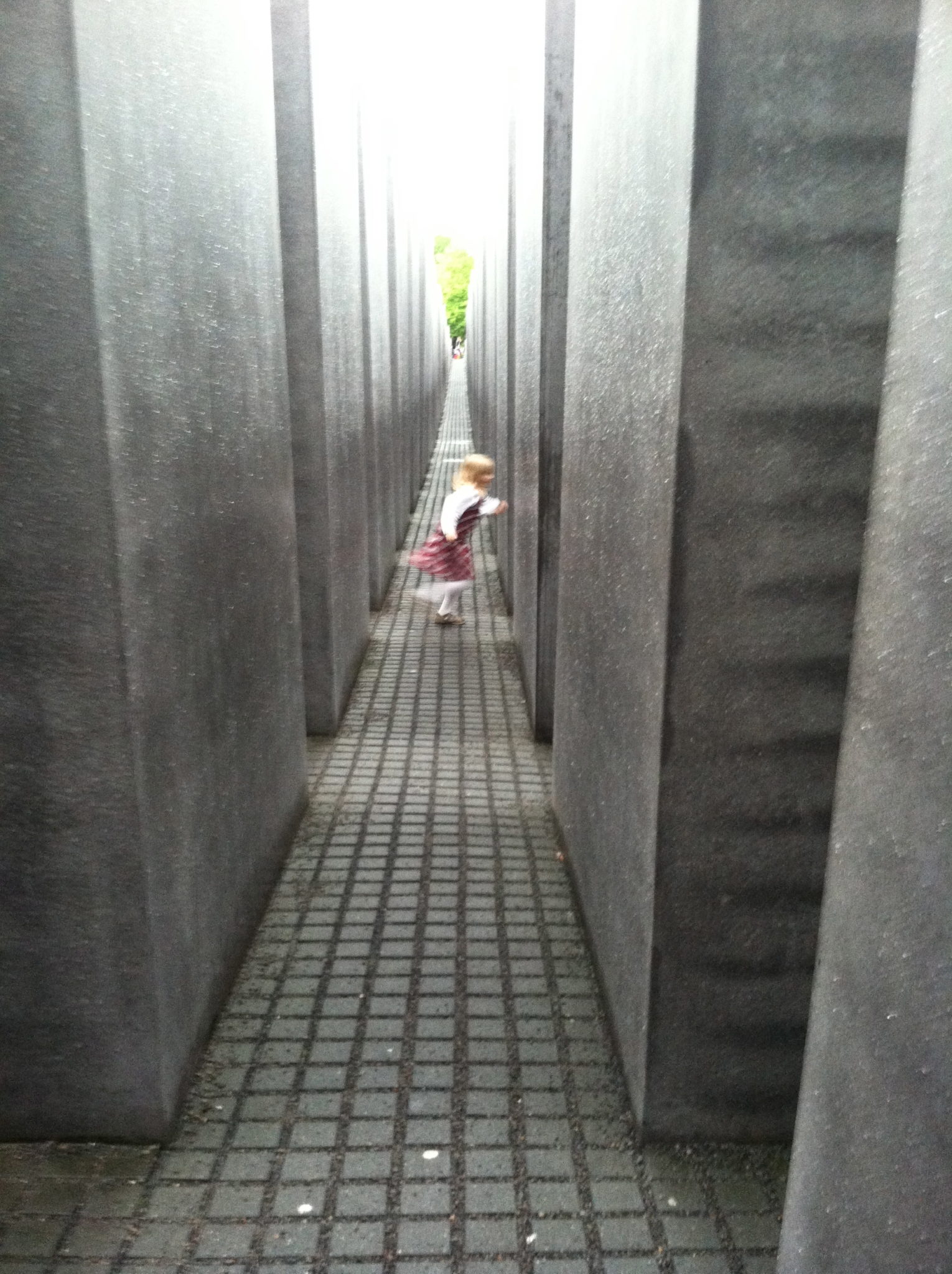
Memorial to the Murdered Jews of Europe
I also visited the Memorial to the Murdered Jews of Europe, which opened in 2005. Looking at this Holocaust memorial, I was struck by its grayness and its simplicity—it consists of 2,711 large cement blocks of various heights—some at ankle level and some that tower over visitors—spread out in a grid over five acres. The ground on which the blocks stand is hilly, and when you enter, it seems at first like a maze. Yet there is really nowhere to hide; you are exposed at all times. I was visiting the memorial with two seven-year-olds, both of whom really wanted to play hide-and-seek. I felt somewhat guilty participating in what seemed like a disrespectful activity and I mentioned this to some friends. One of them, Bethany Keenan, a professor at Coe College, is also leading a study abroad program in Europe this summer and had just been to the memorial. She told me that their tour guide had explained that such games “. . . might be disrespectful but they could also be life-affirming and celebratory, and as such can be considered a reappropriation of the space against the Nazis. If someone has a problem with hide-and-seek or other behaviors there, they should speak up. The way the site is produced puts the onus on the bystander to comment—and the lesson that bystanders must say something and stop things they disapprove of was the main message that most of the memorial sites in Berlin were aiming for.”
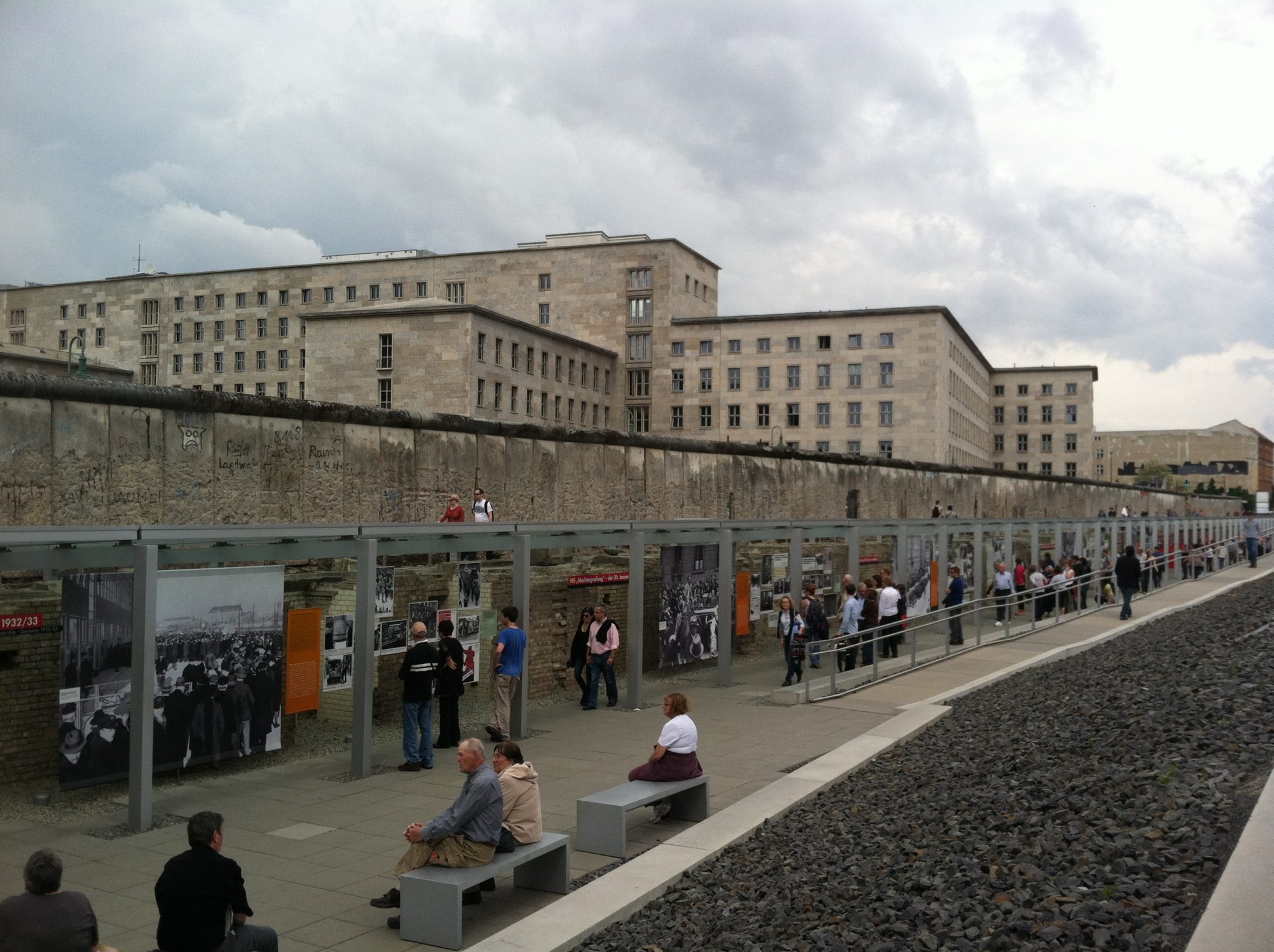
Topography of Terror site
The consequences of the aftermath of war are also striking, particularly since there are portions of the Berlin Wall scattered throughout the city. Construction of the Wall began in 1961 to cut off the stream of refugees fleeing west, and it stood for twenty-eight years as a symbol of the division of Germany and the Cold War. A large section of the Wall stands intact at the Topography of Terror site. A nearby sign explains that by 1989, 136 people had lost their lives at the Wall, shot down by GDR (German Democratic Republic) border guards. The accompanying outdoor exhibit provides information about the topics such as the rise of the Nazi Party, book burnings, and the persecution of Jews.

Commercialization of the Wall. You can pay to have your passport stamped here.

Postcards–then and now
One of the things that I was not expecting in Berlin was how much World War II has been commercialized. Tourist shops sell postcards depicting tanks, war planes, and soldiers; you can buy “authentic” pieces of the Berlin Wall and T-shirts advertising Checkpoint Charlie (a well-known crossing point between East and West Berlin during the Cold War). You can pay to have your passport stamped with the official Checkpoint Charlie stamps at a section of the Berlin Wall. Much of the memory of war has turned kitsch.
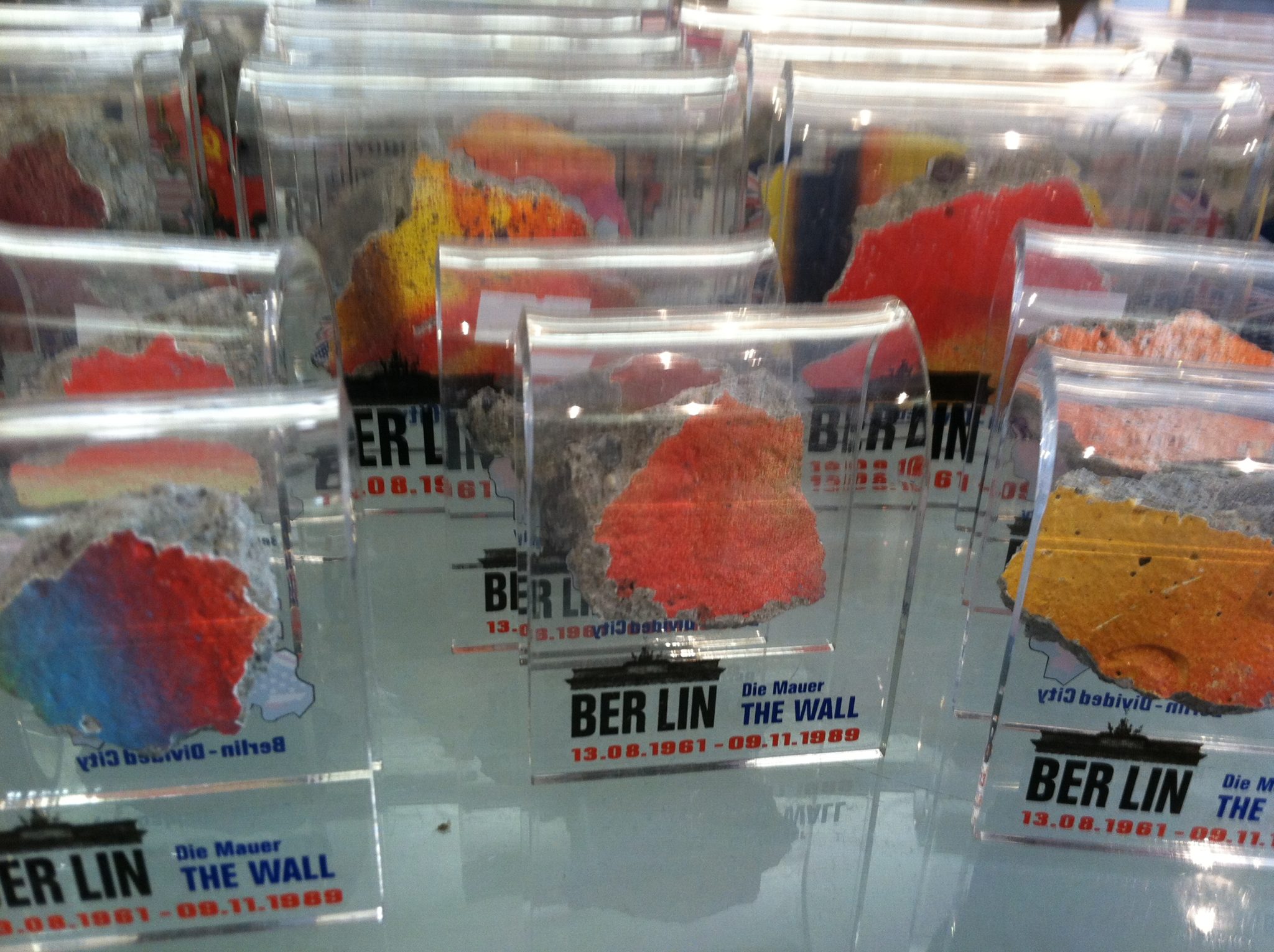
The Wall for sale in a tourist shop
Seeing the evidence of destruction everywhere I looked was disturbing. What struck me the most during my visit, however, was the continual threat of danger. I went with my friend to pick up his daughters from their elementary school. On the way back, we walked through a park that they go through every day. Posted signs warn visitors to keep off the grassy areas, not to maintain the lawns, but because there are still unexploded bombs there. World War II can still claim victims.

The grassy areas in this park still contain undetonated explosives.
Our tour guide for our visit to the World War I battlefields of the Somme remarked that it is clear when a war begins but that it is never clear when it is over, or who its last victims will be. In the Somme, much of the land is now unusable for farming—nearly one hundred years later—because of all of the lead in the ground. In these areas, they let the forests grow. For the same reason, it is unsafe to eat the fish from the river. Each year, people are uncovering shells, artifacts, and human remains. For example, when we stopped for lunch at a restaurant in Pozières, we learned that the man serving us (who is also a battlefield guide) had just two years before unearthed the body of an Australian soldier, along with a number of relics, at Mouquet Farm. You can read about the story here. For some families, such discoveries answer questions and bring peace. Other families will never know what became of their loved ones. For them, is the war ever really over?
My visit to Berlin was at once difficult and inspiring. Signs of destruction and violence are omnipresent, but as Claire mentioned in her post, construction and renovation projects are underway all over the city. The past remains visible and serves as a reminder to us of the horrors of war, but also of human strength and perseverance.
]]>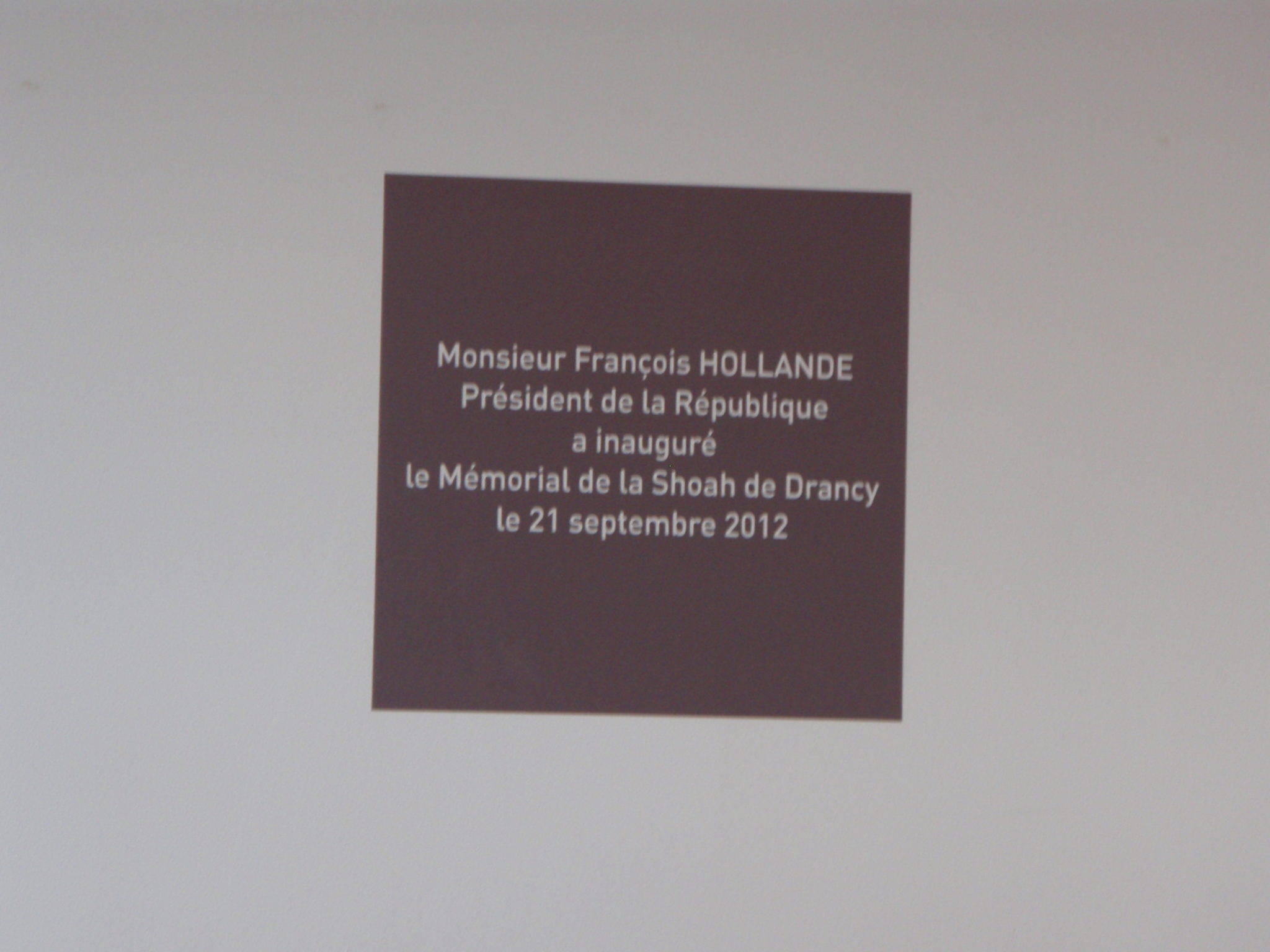
Holocaust Memorial at Drancy – opened September 2012
When designing the study abroad program, we purposefully scheduled four longer days of classwork during the week so that students would have long weekends to explore France and other European countries on their own. The students took advantage of this for the first time over the weekend. Some went to London and some went to Berlin while others visited places outside Paris that were of particular interest to them. I was one of the people that took advantage of the weekend to visit a place I’d never been before. I went to visit a new museum that just opened in September 2012 in the Parisian suburb of Drancy.
Drancy is located north of Paris and tourists travelling from Charles de Gaulle airport into the city center pass it on their journey. It’s often not high on the list of places to visit in France, but for a historian of the Second World War and the Holocaust in France (like myself) it is a must-see.
I began research for dissertation on daily life in France during World War II in 1999. Since then I have made regular (and extended) trips to France to work in the archives and libraries here. I have spent months researching the Holocaust at the United States Holocaust Memorial Museum in Washington, D.C. I have spent countless hours in the Centre de Documentation Juive Contemporaine (Center for Contemporary Jewish Documentation) in Paris. I have participated in international conferences and seminars on war and genocide, and in all of my research I have learned about Drancy. But I have never been there myself.
So what is so important about this suburb for someone who studies the war and the Holocaust in France? Drancy was literally the antechamber to the death camps in Poland. An unfinished housing development in the city, the Cité de la Muette, served as the main transit center for Jews after their arrest and before their deportation to extermination camps. Between March 1942 and the summer of 1944, an estimated 63,000 of the 76,000 Jews deported from France passed through the camp. The buildings that were used to intern these men, women, and children still exist and are now the home of new residents. The buildings and the site have an interesting history that is part of a permanent exhibit explaining the events that transpired there and that serves as a dialogue between the past and the present.

A view of the Cité de la Muette building
In the 1930s, the Cité de la Muette was an architectural novelty. The four-story, U-shaped building was constructed completely on site in order to be more cost effective. But the economic depression of the 1930s meant that the metal-framed building covered by concrete panels was never finished. The Germans requisitioned the apartment block after the Occupation of France in 1940 and it was first used as a detention site for French and English prisoners of war. Starting in August 1941, it became a camp for arrested Jews. When the Nazis’ “Final Solution” began in earnest in 1942, Drancy became the transit camp that would serve as the last step before deportation. The apartments were never finished so internees stayed in open, unfurnished rooms. There was no indoor plumbing and two buildings of latrines were constructed in the building’s courtyard. The entire complex was surrounded by barbed wire and watchtowers.
So on Sunday, I took advantage of the free shuttle service provided by the Mémorial de la Shoah (Holocaust Memorial) in Paris and travelled to Drancy for a guided tour of the site and the new museum. We began our tour outside, looking at the building (that was classified as a historic site in 2001) and the earlier memorials on the site. In the area in front of the Cité de la Muette there is a sculpture as well as a railcar like the ones used to deport Jews to the death camps.
As our guide explained, both of these memorials demonstrate the links between history and memory. The inscription on the sculpture mentions the 100,000 Jews deported from France. The sculpture was created and dedicated before the historical research was conducted that now places the number of deported Jews at approximately 76,000. The design is also symbolic in many ways (see this link for more info on the symbolism.) The columns on the side mirror the iconic image we have of the entry to Auschwitz, which is reinforced by the train tracks behind the sculpture. The placement of the railcar in front of the camp buildings also reflects our common perceptions of the Holocaust. In this case, however, it gives a false sense of reality since there was no railway in front of the camp. Inmates chosen for deportation were bussed from Drancy to nearby train stations.
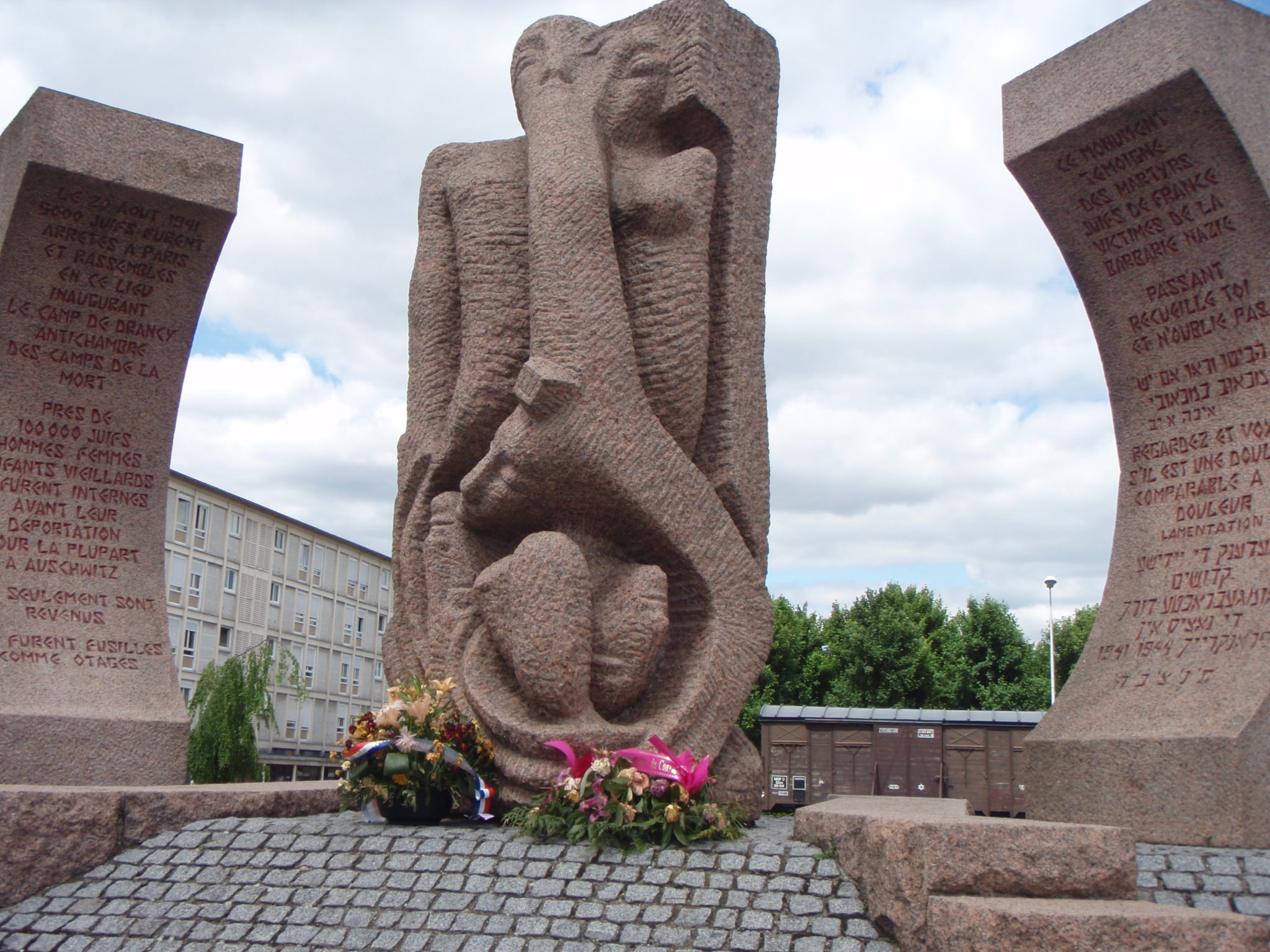
Sculpture with building and railcar in the background
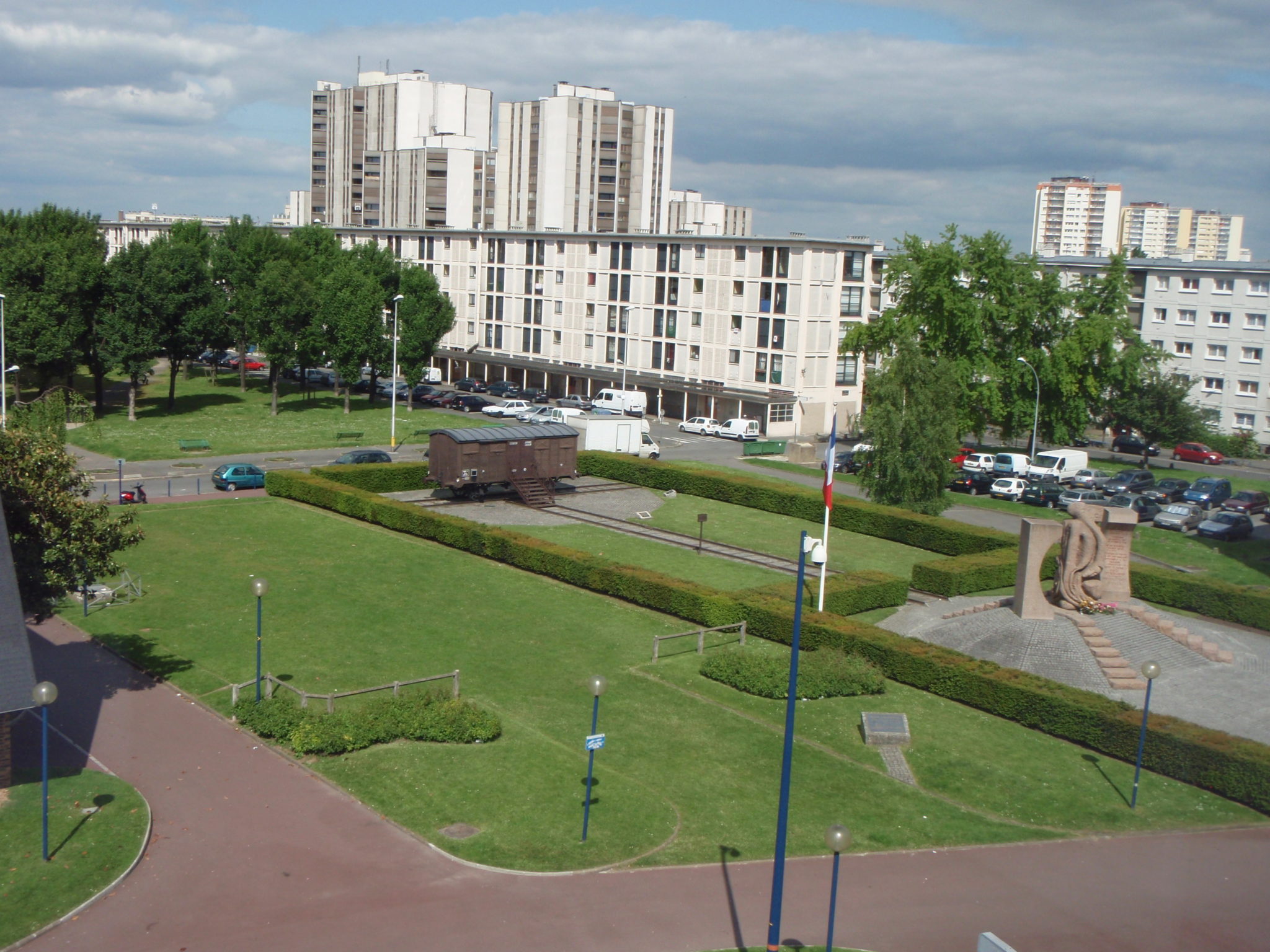
View from the museum windows
We continued our tour inside the museum, which was built across the street from the Cité de la Muette and overlooks the site. On the ground floor, visitors see photographs, names, and date of deportation of some of the Jews that passed through the camp. The museum currently has 12,000 pictures of victims that were interned at Drancy. The fourth floor is the home of the permanent exhibit. The room itself is almost the exact opposite of the Mémorial de la Shoah in Paris, which is in the basement and is a dark, somber space. At Drancy, the exhibit and displays are all in white in a room with floor to ceiling windows on two sides. Videos explain the history while interactive displays allow you to learn more about individual experiences.
One of the videos talks about the three camps in Paris that were annexes to Drancy. Jews that were considered “non-deportable” because their spouse was “Aryan” or because of their previous military service were transferred to camps within Paris where their job was to sort and package the domestic items looted from Jewish apartments. (For more information on this topic see this book.) I was reminded that one of these camps was in a furniture store called Lévitan located in the 10th arrondissement of Paris. The building with its memorial plaque is less than a block away from the hotel where we are staying.
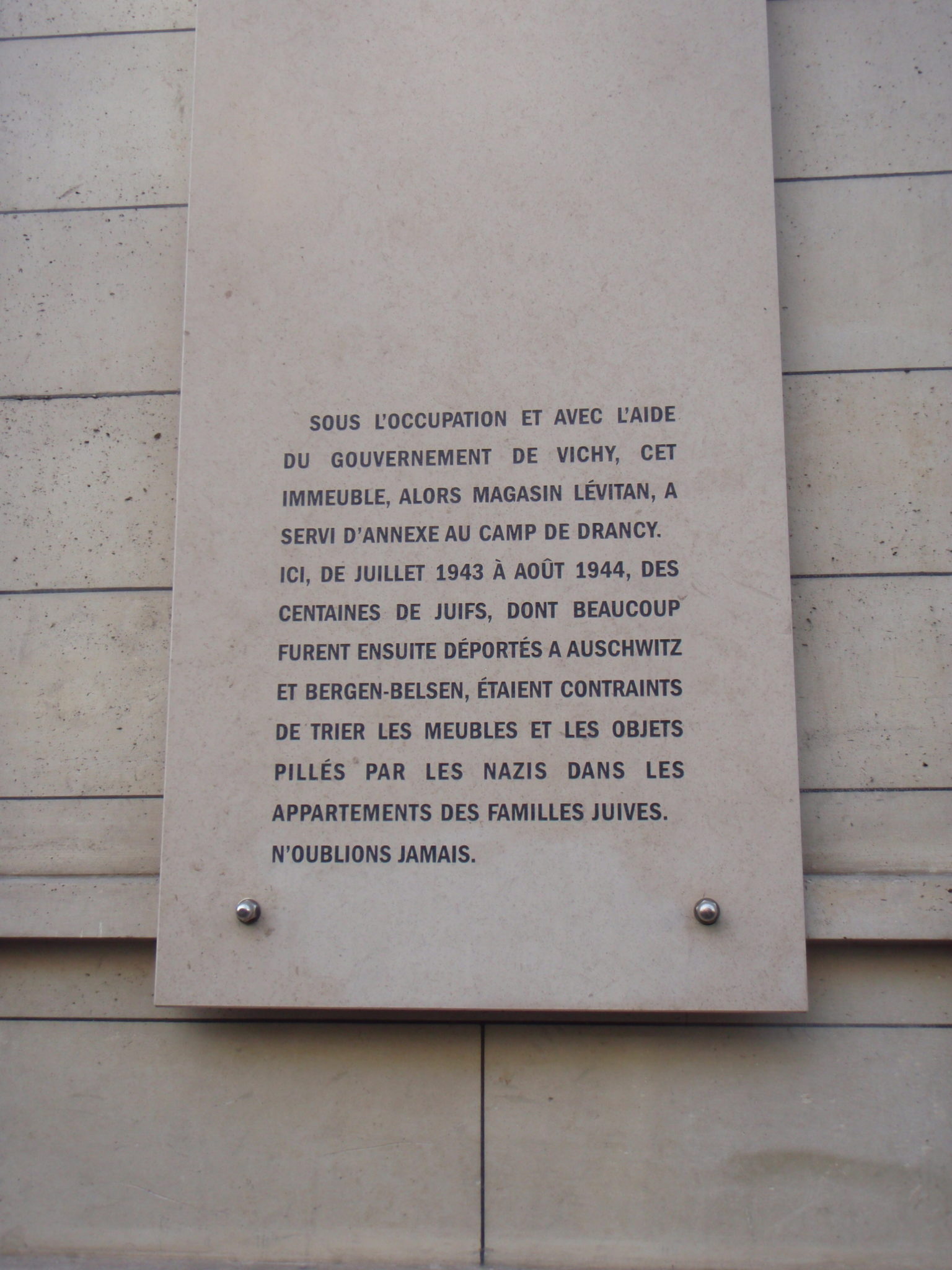
Plaque explaining Lévitan’s role during WWII
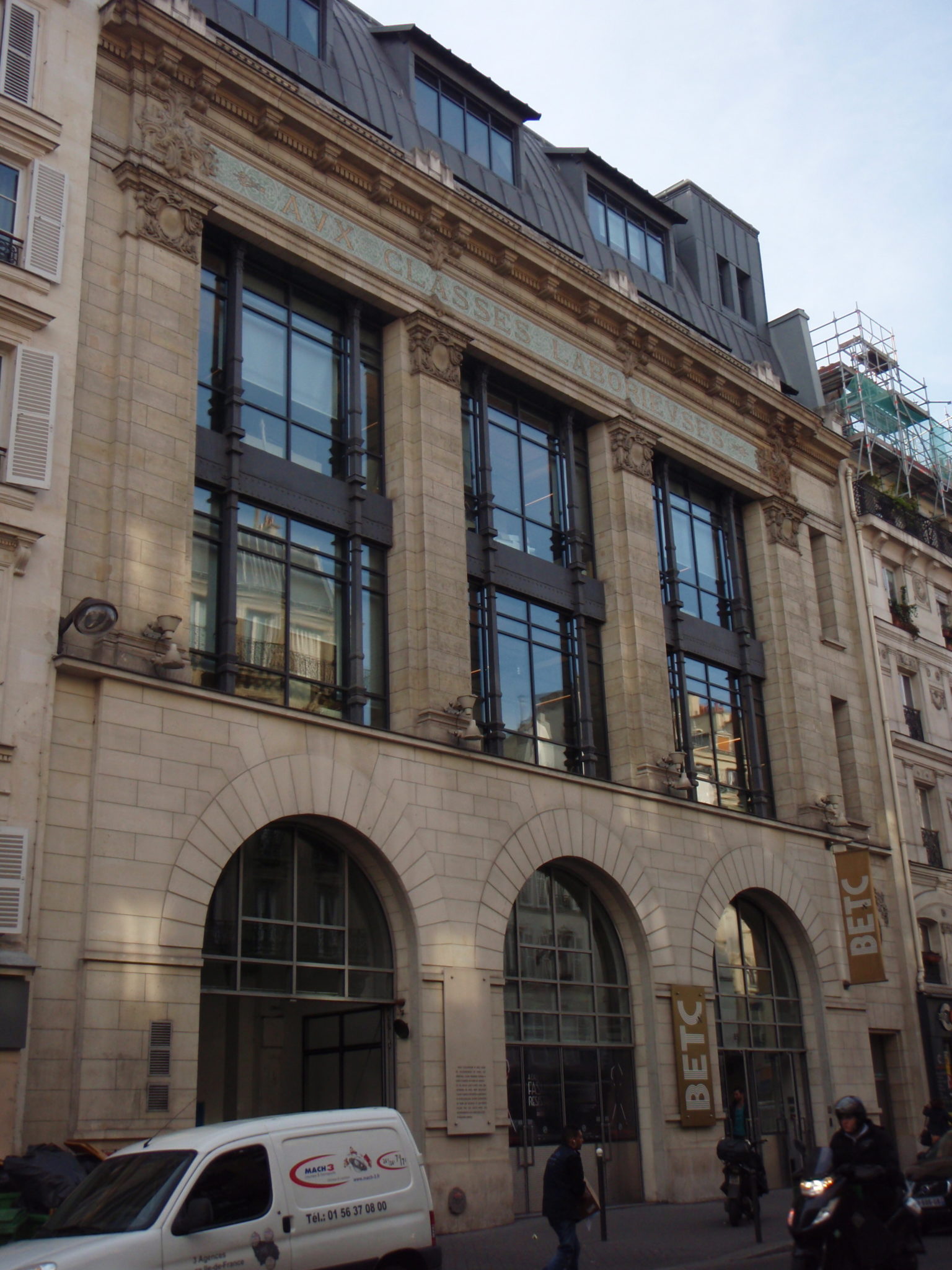
The former Lévitan furniture store
Overall this was an incredible learning experience for me. I finally saw the place that I have read so much about and the tour discussed the issues we are covering in our courses including the construction of memory. The museum certainly is a way to remember those who suffered and died during the Holocaust.
]]>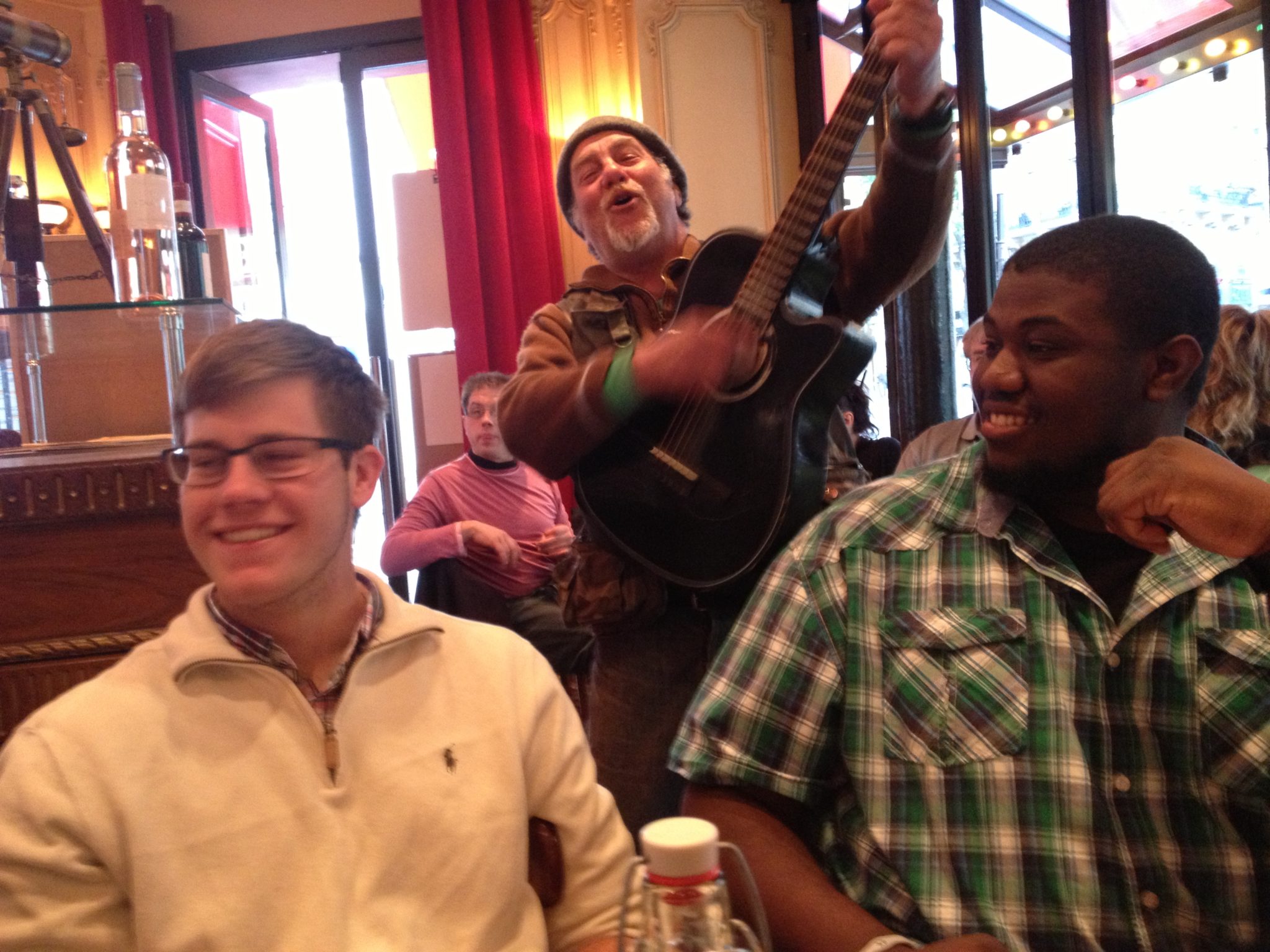
Will and Delancey are serenaded at the welcome dinner
We had a busy first week, and we have more in store for Week 2! During the first week, we focused a lot on the Great War and on getting settled in a new city. Paris is a huge cosmopolitan center and it’s an adjustment for many people: new place, different language, diverse culture, distinct foods.
The students have gotten used to taking the metro and navigating the city. They’ve also seen some of the iconic sights and some not-so-touristy places. They are discovering France’s history on a daily basis.
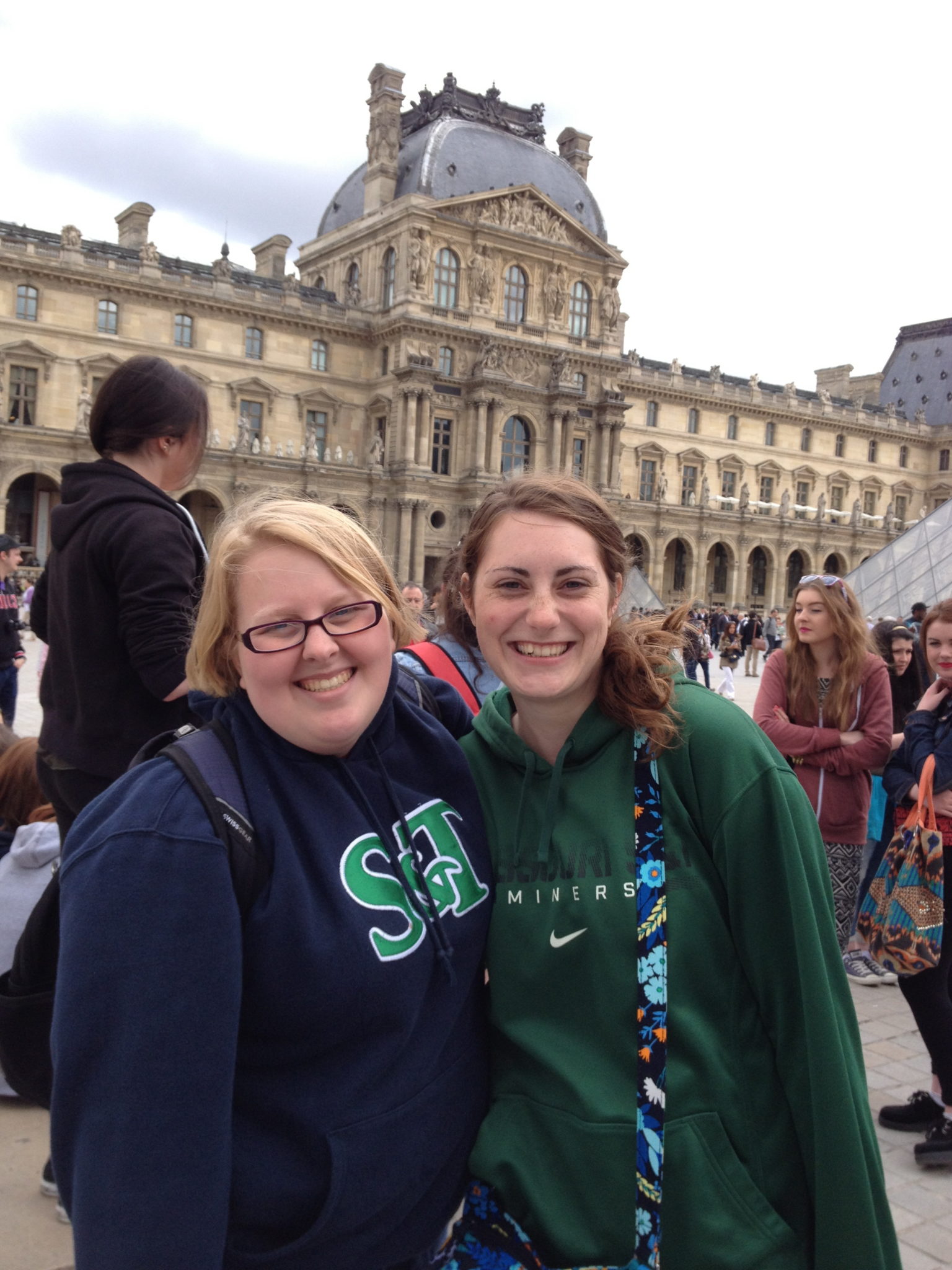
Claire & Courtney in S&T gear at the Louvre
This week promises to be just as exciting as we start to shift our focus to World War II:
Monday:
Walking tour of the Latin Quarter including stops at Notre Dame Cathedral, the Pantheon, the Sorbonne, and the Luxembourg Gardens. We will be discussing the role of the Catholic Church during the war, students in the Resistance, and Jean Moulin on our trek. We have also read excerpts from the Journal of Hélène Berr, a Jewish woman who attended the Sorbonne during the Occupation.
Tuesday:
Trip to Mont-Valérien. This fort on the outskirts of Paris served as the execution site for hostages taken by the Germans during the war. It is now a memorial site with competing historical narratives (Gaullist and Communist).
Wednesday:
Walking tour of the Marais and visit to the Shoah Museum. The Marais was one Parisian neighborhood with a large number of Jewish inhabitants during the war.
Visit to Vel d’Hiv memorials and the Eiffel Tower.
Thursday:
We will wrap up our time in Paris with a trip to the Montmartre neighborhood. An artistic hub, many wartime writers (such as Marcel Aymé) lived in this area and captured scenes of daily life under the Occupation in their works. The students will also be completing a photo scavenger hunt this week in search of memorials related to World War II.

Memorial plaque on the Seine