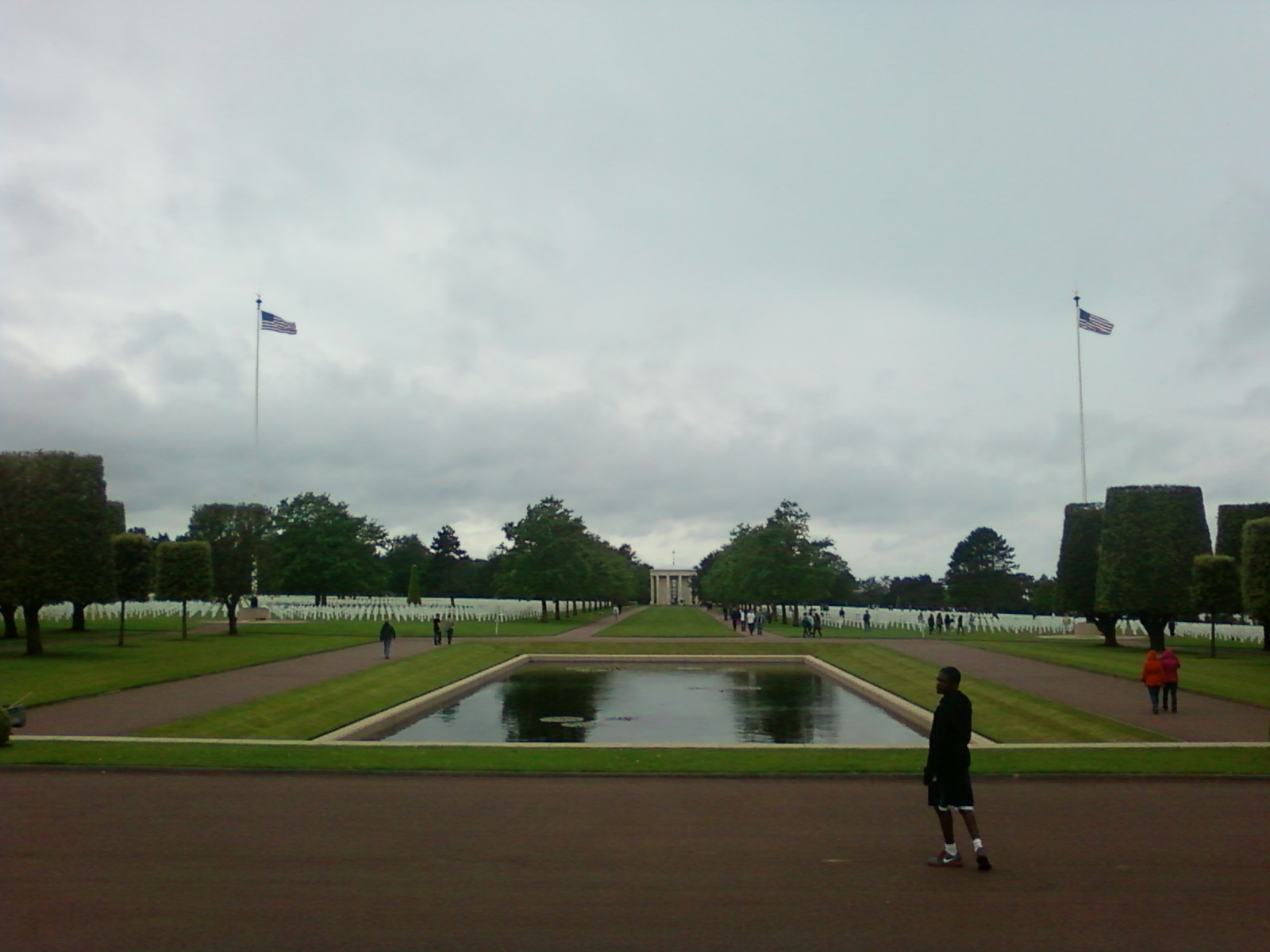
The American Cemetery
Taking a class at the university could never prepare someone for the things they might experience and feel when standing at the historical monuments in person. Yes, America has quite a few historical monuments that bring about similar feelings, but for France, World Wars I and II took place on their soil while we were an ocean away. Today’s American citizens could never compare such experiences of having their home country invaded and occupied, but for France the past still remains in the everyday of the citizens’ lives. Social order was heavily changed once France was occupied during World War II, with the weight of events still dictating how people act in social situations today by trying to have the utmost respect for another person despite differences so as not to repeat the mistakes made by others in the past.
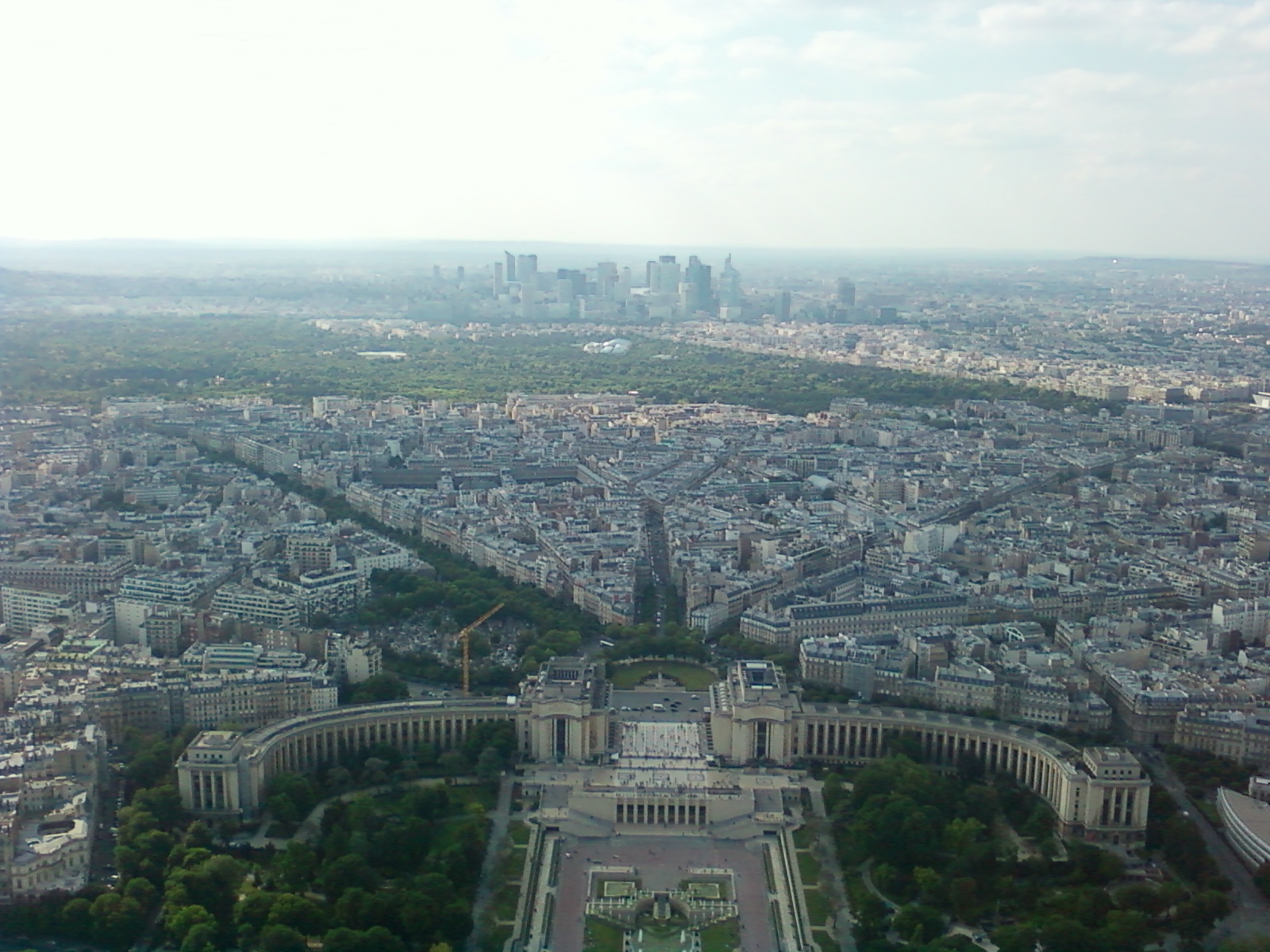
Sky view from the top of the Eiffel Tower
In total, the experience of studying abroad has really changed my thoughts on several issues here in the U.S., and though it is a bit hard to explain the feelings one might gain through studying abroad, I insist everyone take the leap of experiencing another culture at least once in their lives. The world, as it turns out, is much bigger and brighter than one could ever imagine, and the past memories that mold our world can turn every thought around the minute you learn how oddly similar yet different we are.
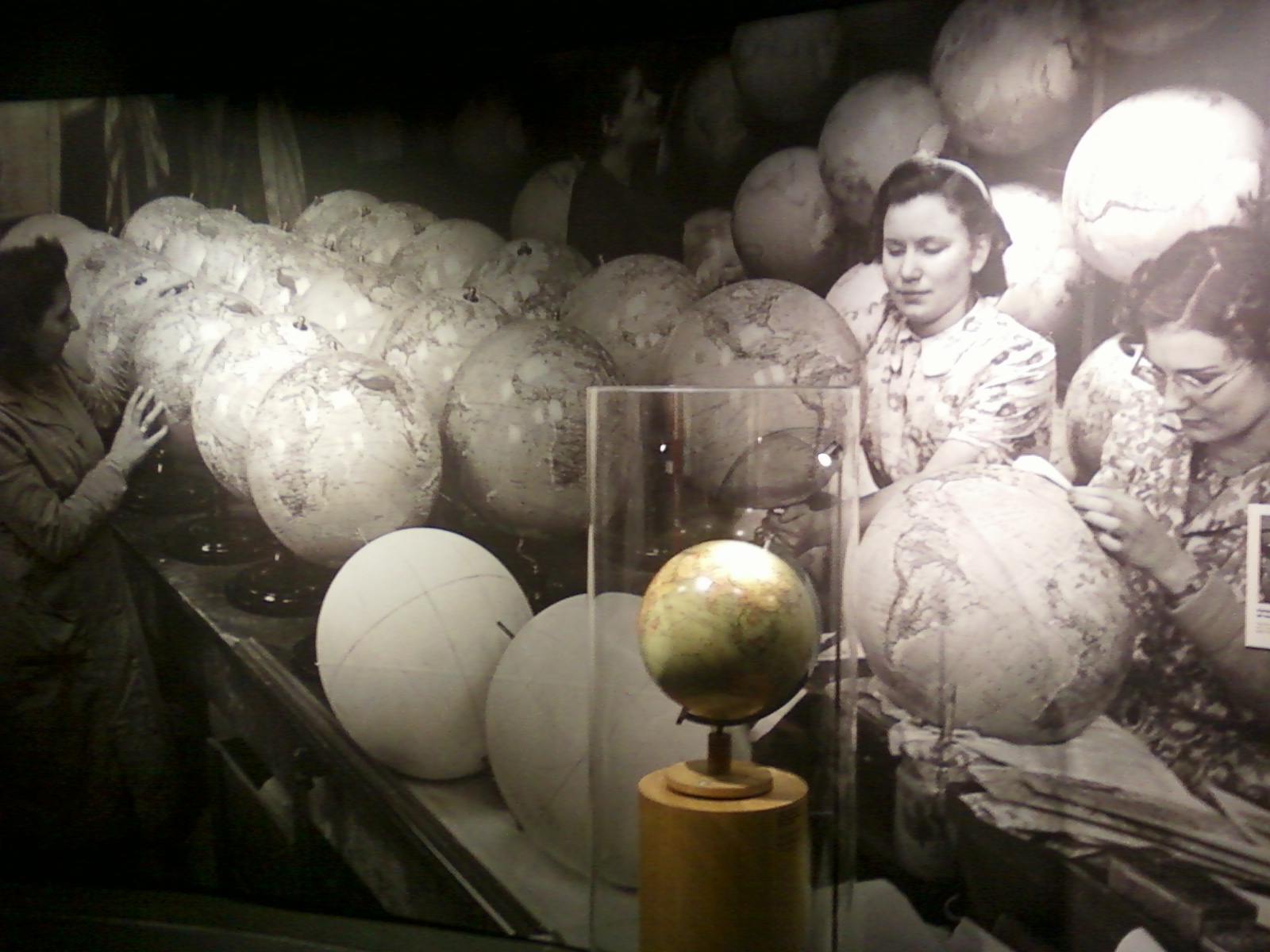
Making globes during World War II – Caen Memorial Museum
The building itself was begun under the reign of King Louis XV as a dedication to Saint Genevieve. Construction began in 1758. It was not completed during his reign, however, and when the French Revolution occurred the original plans were modified.
It is a strange mix of the ideals of the French Republic and religion. On the walls are beautiful paintings depicting the story of Saint Genevieve, who is the patron saint of Paris. Her story is she calmed the people of Paris while the approaching army of the Huns threatened them. She organized city prayers, and the army turned back and never set foot in Paris. She was believed to have created the miracle, and is forever recognized as the patron saint of Paris.
Along the rear walls is a memorial to the writers that were killed during WWII. The writers during this time were politically involved, and often were persecuted if they did not abide by the German censorship during the occupation. The memorial lists the names of those writers, and recognizes their sacrifices.
Underneath the building are the crypts. The crypts are generally simple with the exception of a few famous figures, such as Voltaire’s statue. Jean Moulin is also buried here, and he was an important figure for the French Resistance. He helped to unify France during WWII and worked with Charles de Gaulle during the Resistance.
He started his political career in 1937 as the youngest prefect, but during the German Occupation he refused to cooperate with the German government. He was tortured by Gestapo, one of the highest ranking officers in the Nazi regime, but he never succumbed. He was later removed from his position by the Vichy government and tortured again for his involvement in the Resistance.
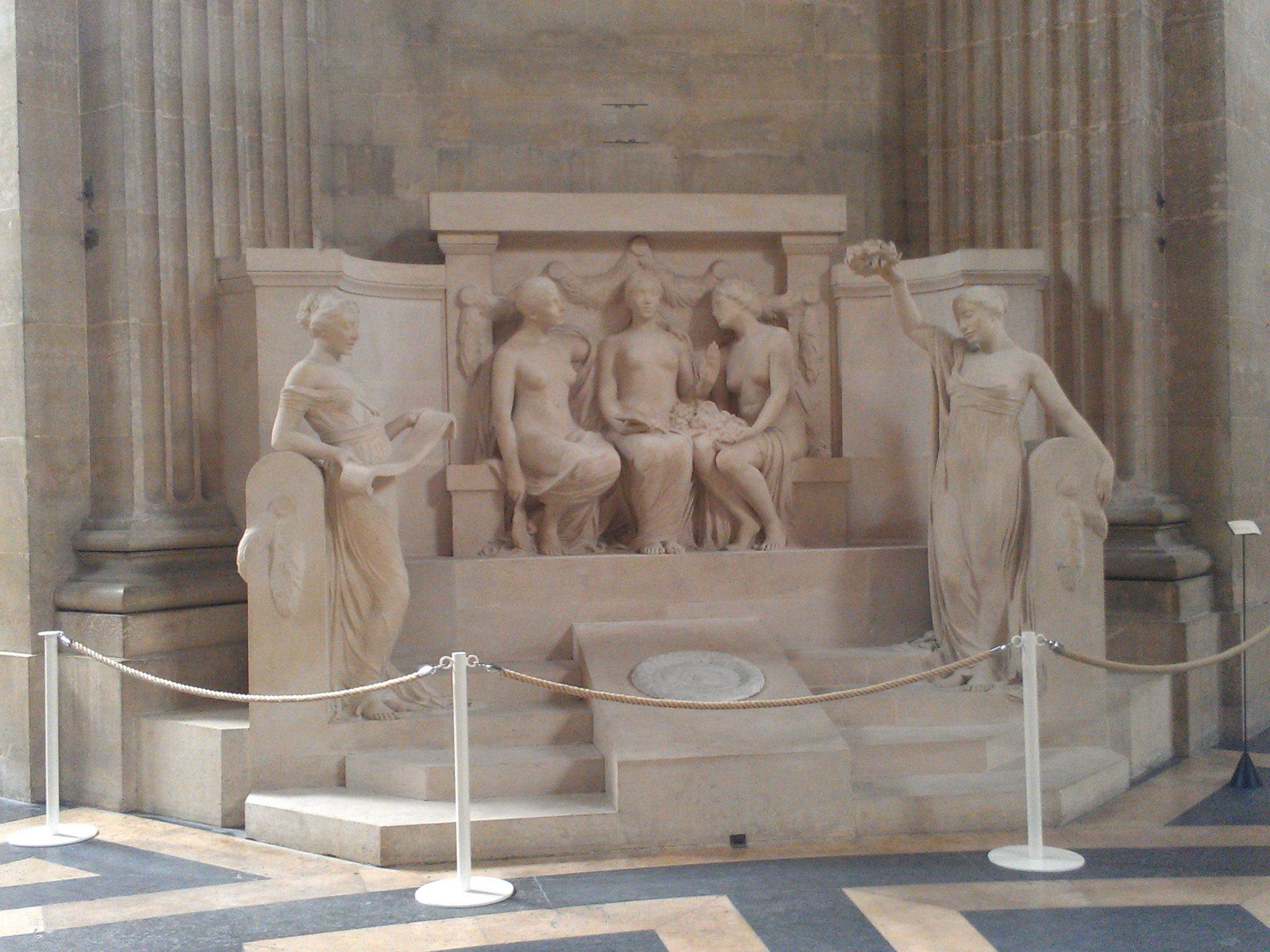
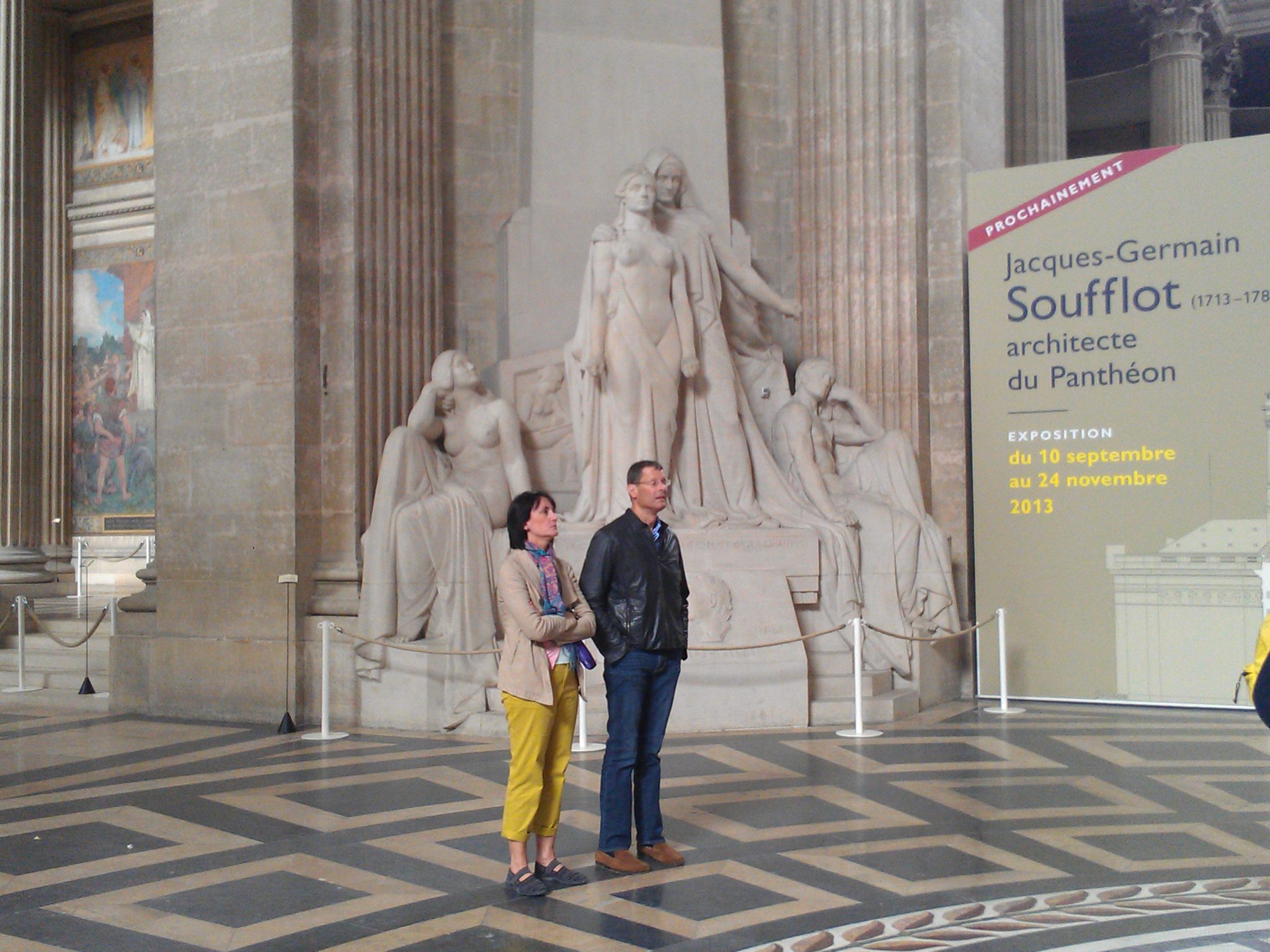
Sculptures at the Pantheon
While in prison he attempted to commit suicide by using a piece of broken glass to slit his throat, but the failed attempt left a scar that he would hide with a scarf. The image of Jean Moulin with a scarf is the most popular and common image throughout Paris. In June 1943 it was officially recorded that he died on the train to a concentration camp, but some believe he was simply beaten to death by the Gestapo. In 1964 his ashes were moved to a crypt in the Pantheon.
This is a great place to visit since it does not receive as many tourists as other areas, although the map for the crypt is very confusing!
]]>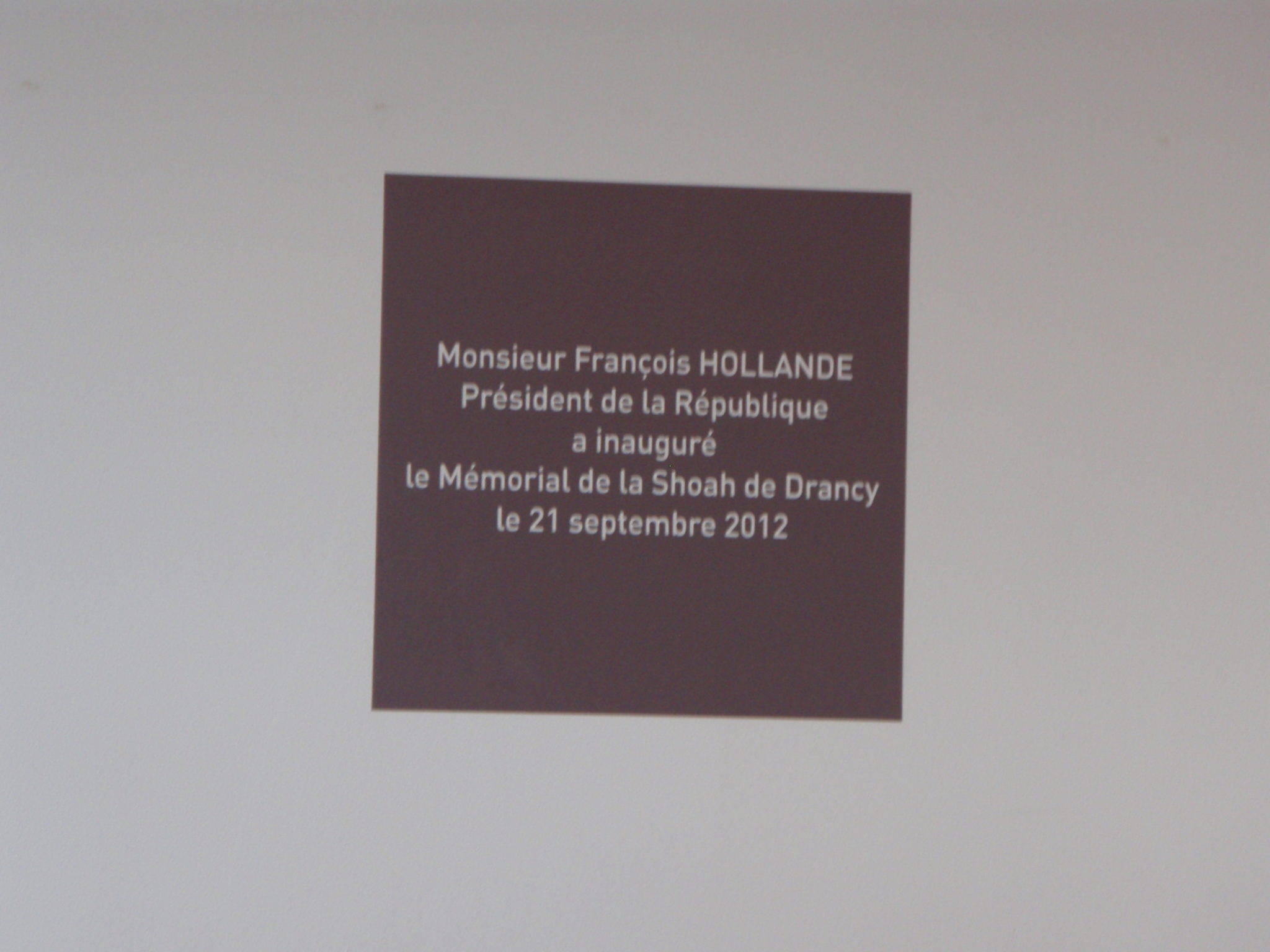
Holocaust Memorial at Drancy – opened September 2012
When designing the study abroad program, we purposefully scheduled four longer days of classwork during the week so that students would have long weekends to explore France and other European countries on their own. The students took advantage of this for the first time over the weekend. Some went to London and some went to Berlin while others visited places outside Paris that were of particular interest to them. I was one of the people that took advantage of the weekend to visit a place I’d never been before. I went to visit a new museum that just opened in September 2012 in the Parisian suburb of Drancy.
Drancy is located north of Paris and tourists travelling from Charles de Gaulle airport into the city center pass it on their journey. It’s often not high on the list of places to visit in France, but for a historian of the Second World War and the Holocaust in France (like myself) it is a must-see.
I began research for dissertation on daily life in France during World War II in 1999. Since then I have made regular (and extended) trips to France to work in the archives and libraries here. I have spent months researching the Holocaust at the United States Holocaust Memorial Museum in Washington, D.C. I have spent countless hours in the Centre de Documentation Juive Contemporaine (Center for Contemporary Jewish Documentation) in Paris. I have participated in international conferences and seminars on war and genocide, and in all of my research I have learned about Drancy. But I have never been there myself.
So what is so important about this suburb for someone who studies the war and the Holocaust in France? Drancy was literally the antechamber to the death camps in Poland. An unfinished housing development in the city, the Cité de la Muette, served as the main transit center for Jews after their arrest and before their deportation to extermination camps. Between March 1942 and the summer of 1944, an estimated 63,000 of the 76,000 Jews deported from France passed through the camp. The buildings that were used to intern these men, women, and children still exist and are now the home of new residents. The buildings and the site have an interesting history that is part of a permanent exhibit explaining the events that transpired there and that serves as a dialogue between the past and the present.

A view of the Cité de la Muette building
In the 1930s, the Cité de la Muette was an architectural novelty. The four-story, U-shaped building was constructed completely on site in order to be more cost effective. But the economic depression of the 1930s meant that the metal-framed building covered by concrete panels was never finished. The Germans requisitioned the apartment block after the Occupation of France in 1940 and it was first used as a detention site for French and English prisoners of war. Starting in August 1941, it became a camp for arrested Jews. When the Nazis’ “Final Solution” began in earnest in 1942, Drancy became the transit camp that would serve as the last step before deportation. The apartments were never finished so internees stayed in open, unfurnished rooms. There was no indoor plumbing and two buildings of latrines were constructed in the building’s courtyard. The entire complex was surrounded by barbed wire and watchtowers.
So on Sunday, I took advantage of the free shuttle service provided by the Mémorial de la Shoah (Holocaust Memorial) in Paris and travelled to Drancy for a guided tour of the site and the new museum. We began our tour outside, looking at the building (that was classified as a historic site in 2001) and the earlier memorials on the site. In the area in front of the Cité de la Muette there is a sculpture as well as a railcar like the ones used to deport Jews to the death camps.
As our guide explained, both of these memorials demonstrate the links between history and memory. The inscription on the sculpture mentions the 100,000 Jews deported from France. The sculpture was created and dedicated before the historical research was conducted that now places the number of deported Jews at approximately 76,000. The design is also symbolic in many ways (see this link for more info on the symbolism.) The columns on the side mirror the iconic image we have of the entry to Auschwitz, which is reinforced by the train tracks behind the sculpture. The placement of the railcar in front of the camp buildings also reflects our common perceptions of the Holocaust. In this case, however, it gives a false sense of reality since there was no railway in front of the camp. Inmates chosen for deportation were bussed from Drancy to nearby train stations.
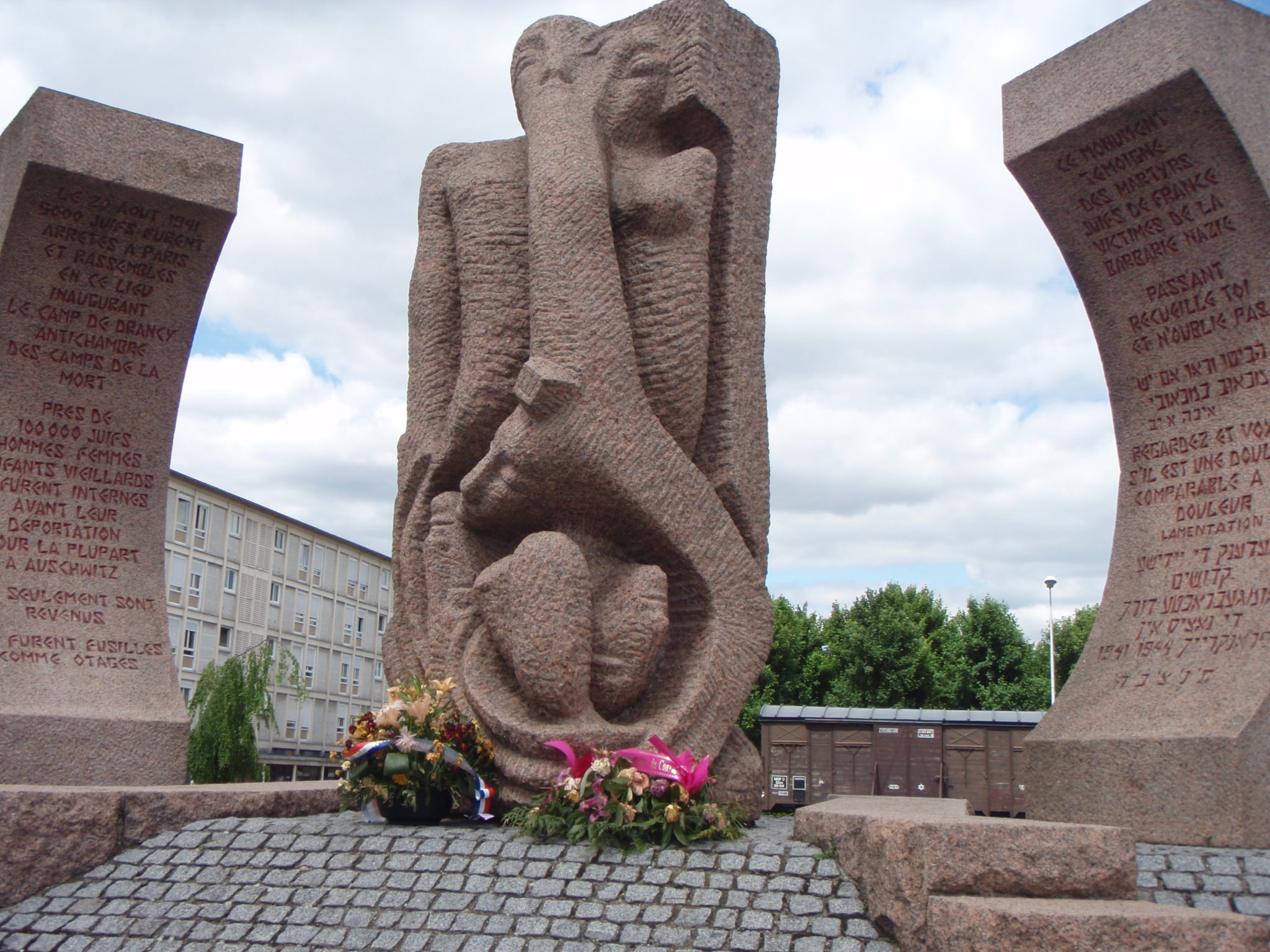
Sculpture with building and railcar in the background
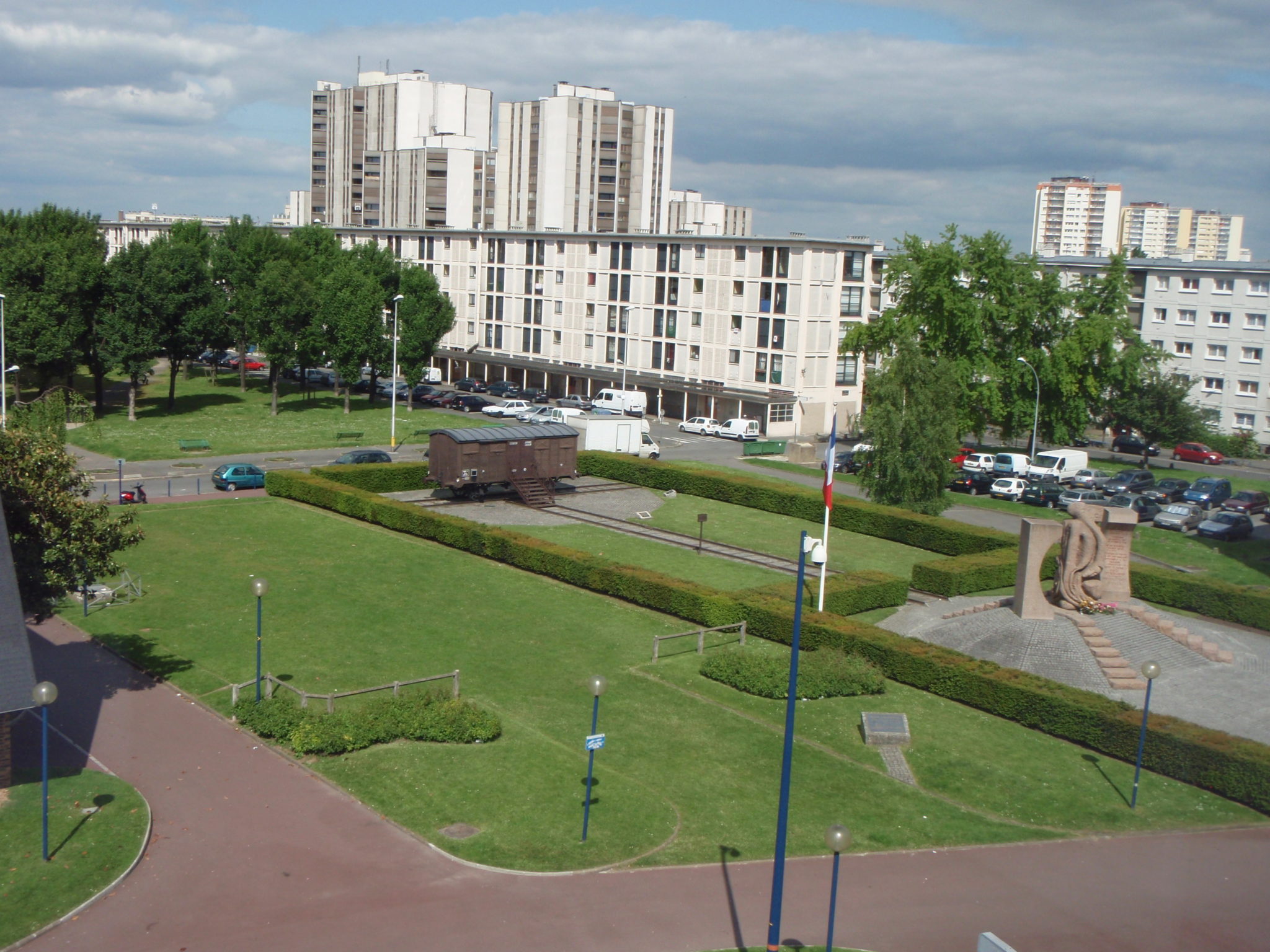
View from the museum windows
We continued our tour inside the museum, which was built across the street from the Cité de la Muette and overlooks the site. On the ground floor, visitors see photographs, names, and date of deportation of some of the Jews that passed through the camp. The museum currently has 12,000 pictures of victims that were interned at Drancy. The fourth floor is the home of the permanent exhibit. The room itself is almost the exact opposite of the Mémorial de la Shoah in Paris, which is in the basement and is a dark, somber space. At Drancy, the exhibit and displays are all in white in a room with floor to ceiling windows on two sides. Videos explain the history while interactive displays allow you to learn more about individual experiences.
One of the videos talks about the three camps in Paris that were annexes to Drancy. Jews that were considered “non-deportable” because their spouse was “Aryan” or because of their previous military service were transferred to camps within Paris where their job was to sort and package the domestic items looted from Jewish apartments. (For more information on this topic see this book.) I was reminded that one of these camps was in a furniture store called Lévitan located in the 10th arrondissement of Paris. The building with its memorial plaque is less than a block away from the hotel where we are staying.
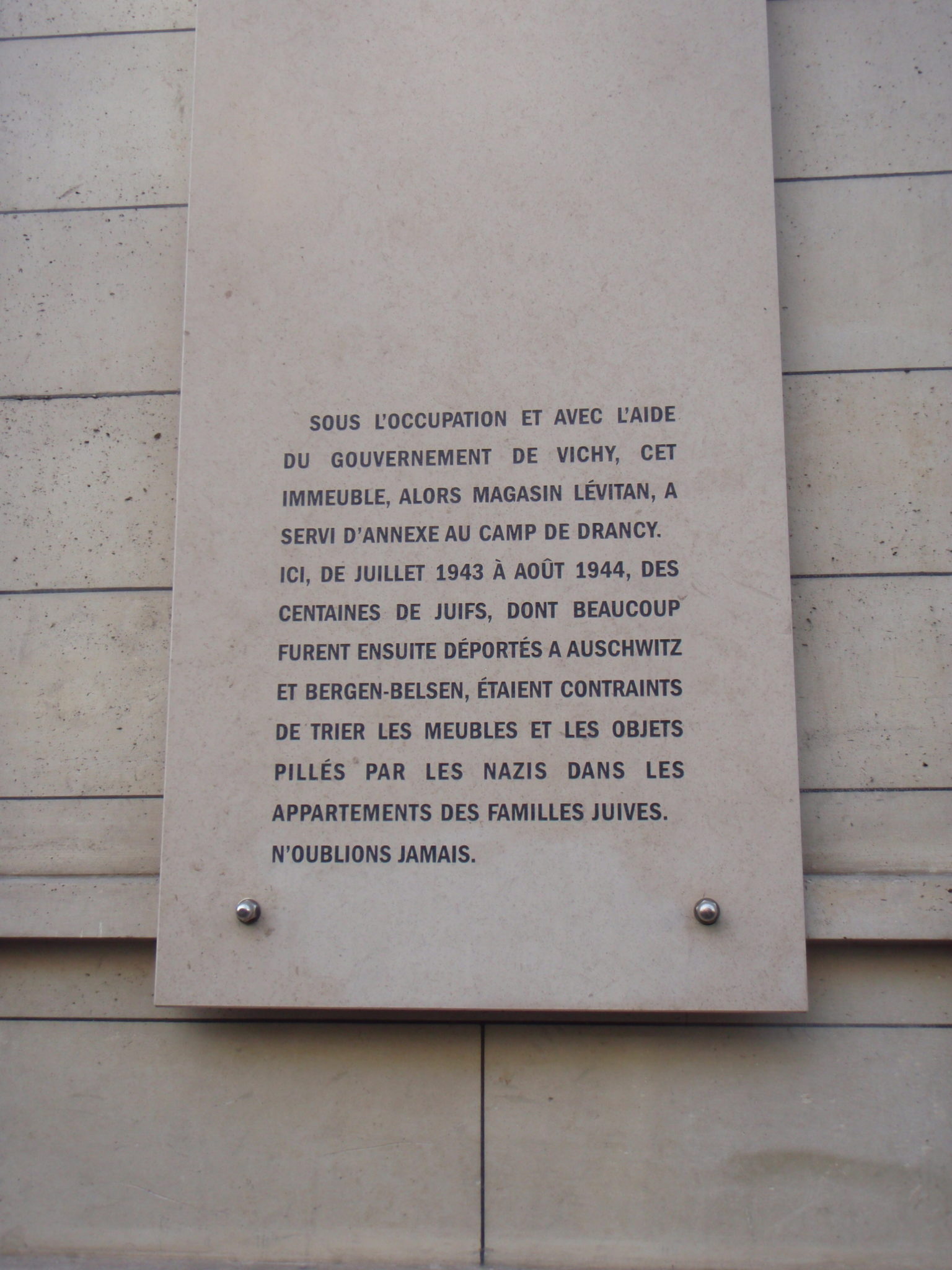
Plaque explaining Lévitan’s role during WWII
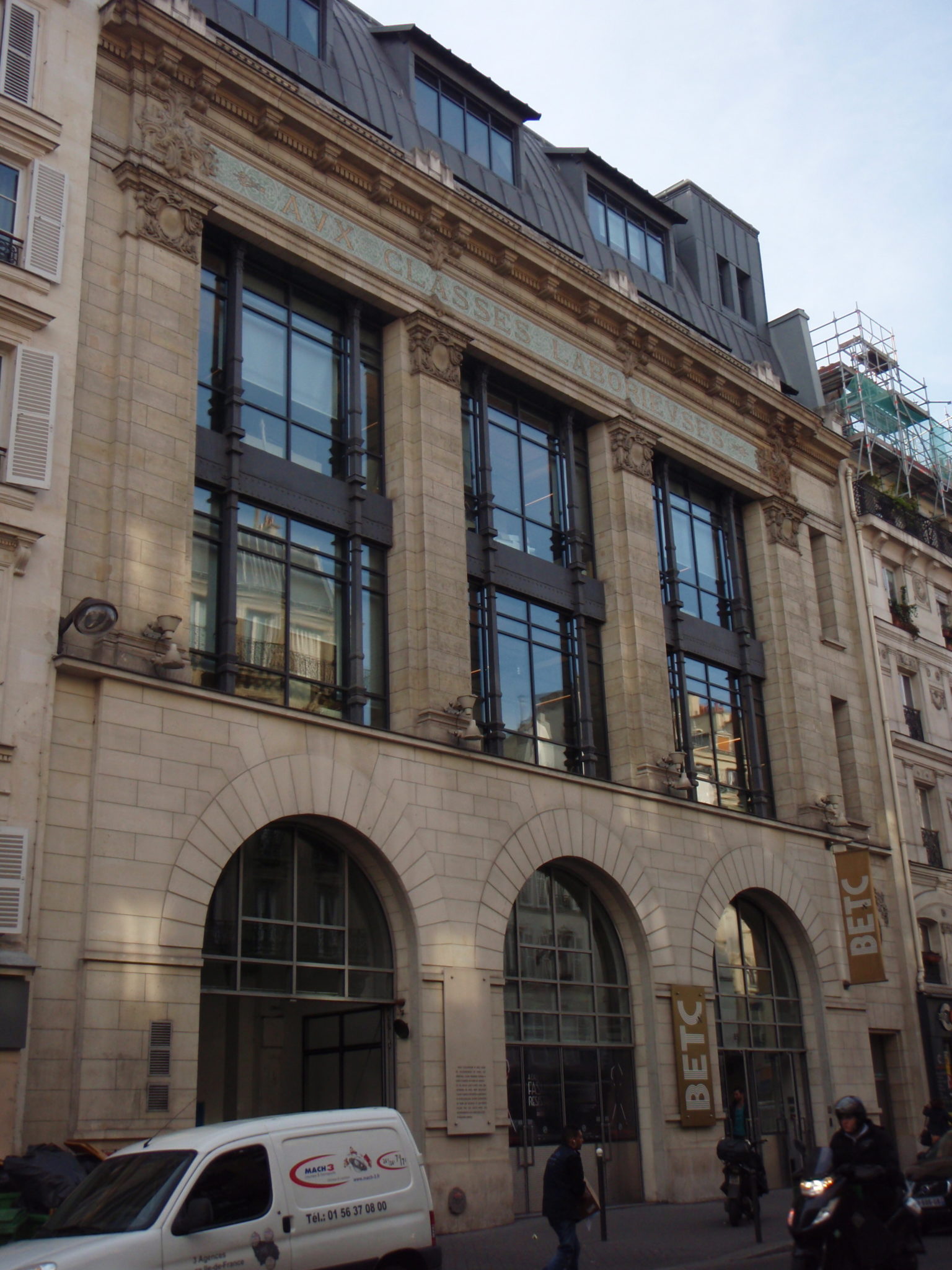
The former Lévitan furniture store
Overall this was an incredible learning experience for me. I finally saw the place that I have read so much about and the tour discussed the issues we are covering in our courses including the construction of memory. The museum certainly is a way to remember those who suffered and died during the Holocaust.
]]>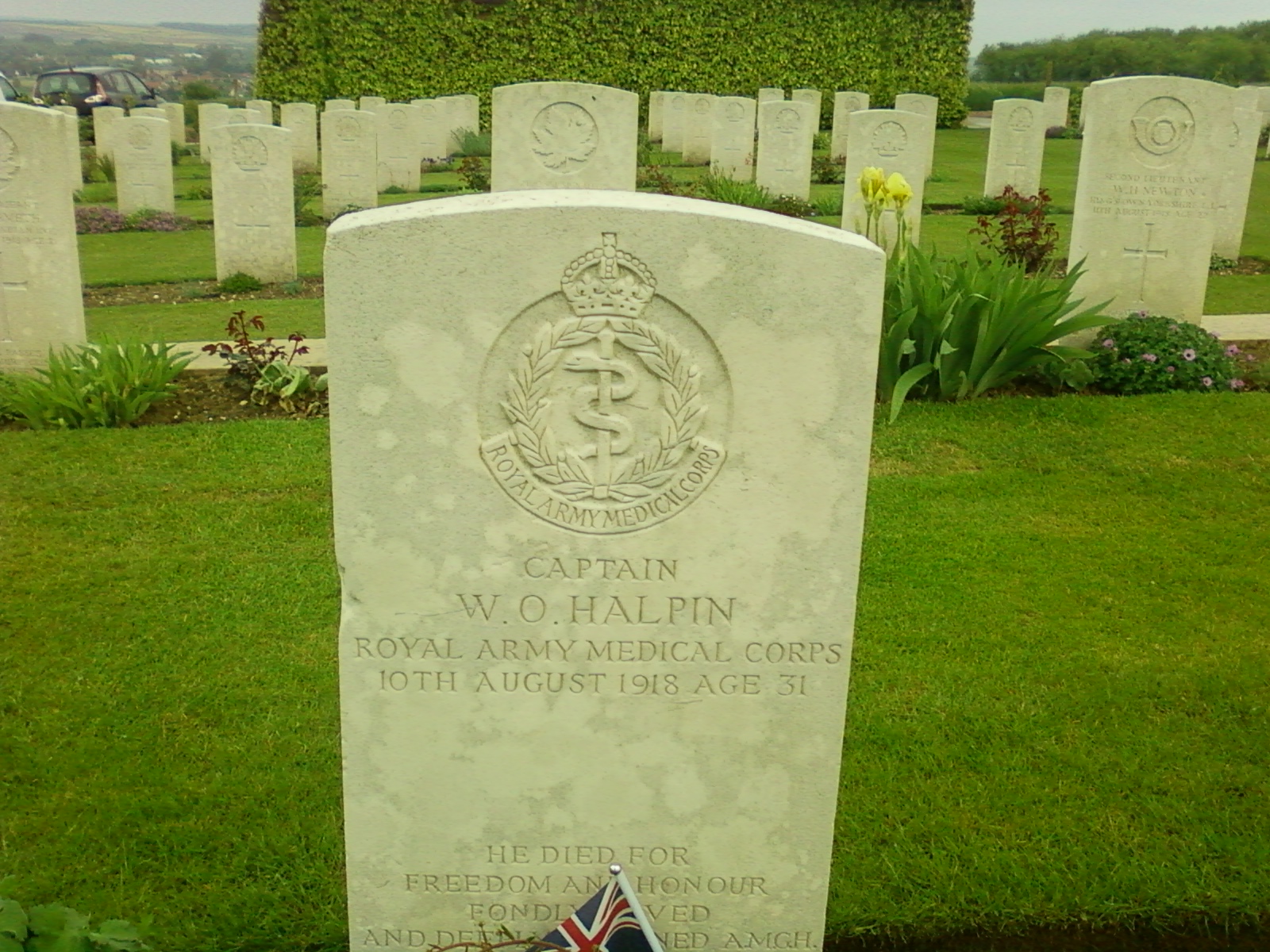
British soldier’s grave stone at Villers – Bretonnuex
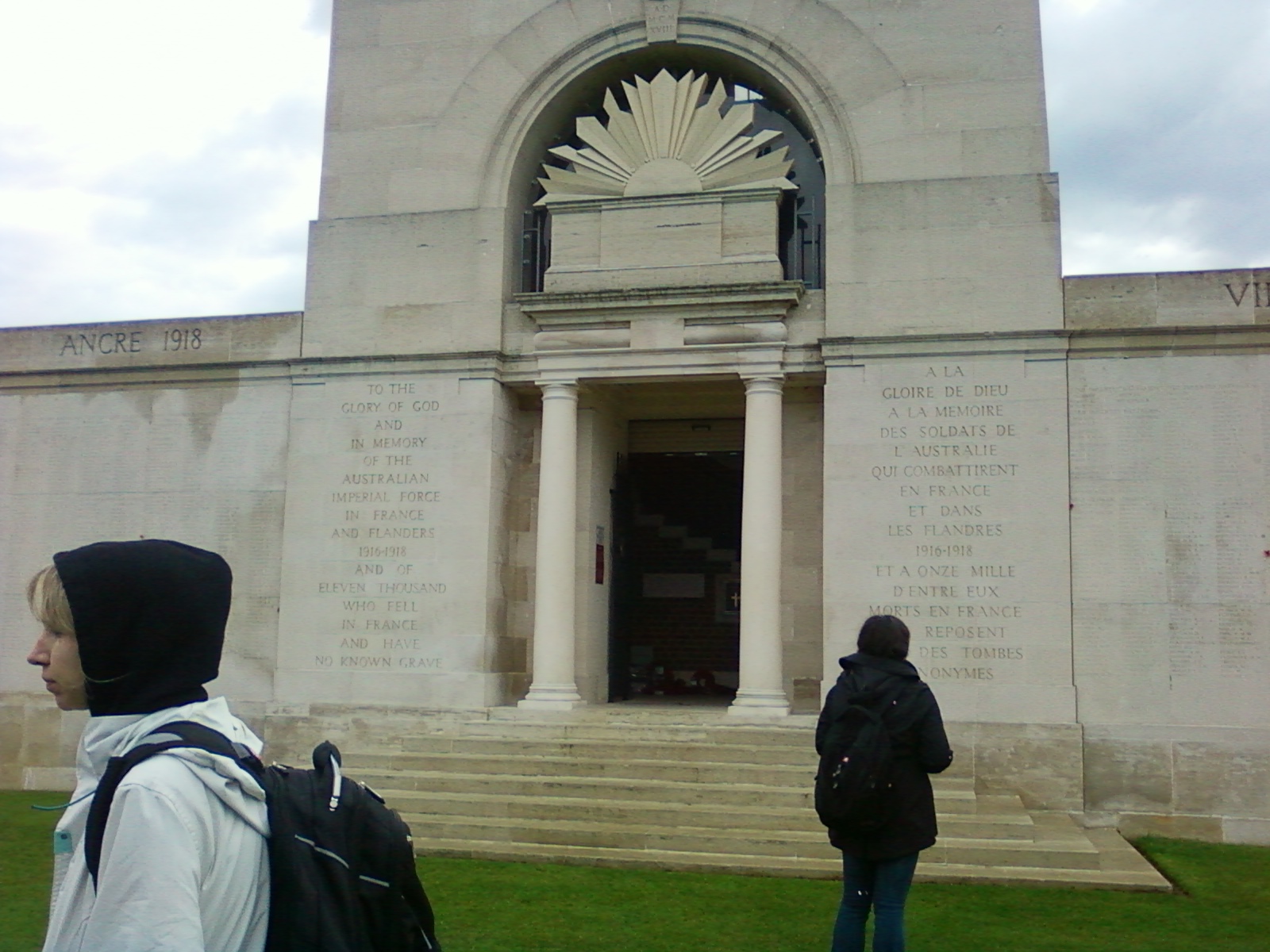
The main memorial building of Villers – Bretonnuex
Our biggest stop of the day, after visiting various graveyards, had to be the trenches – we actually got to walk through the trenches along the soldiers path! It was very heart-wrenching thinking about how many men lost their lives in the very places we stood, but all the while an honorable memory.
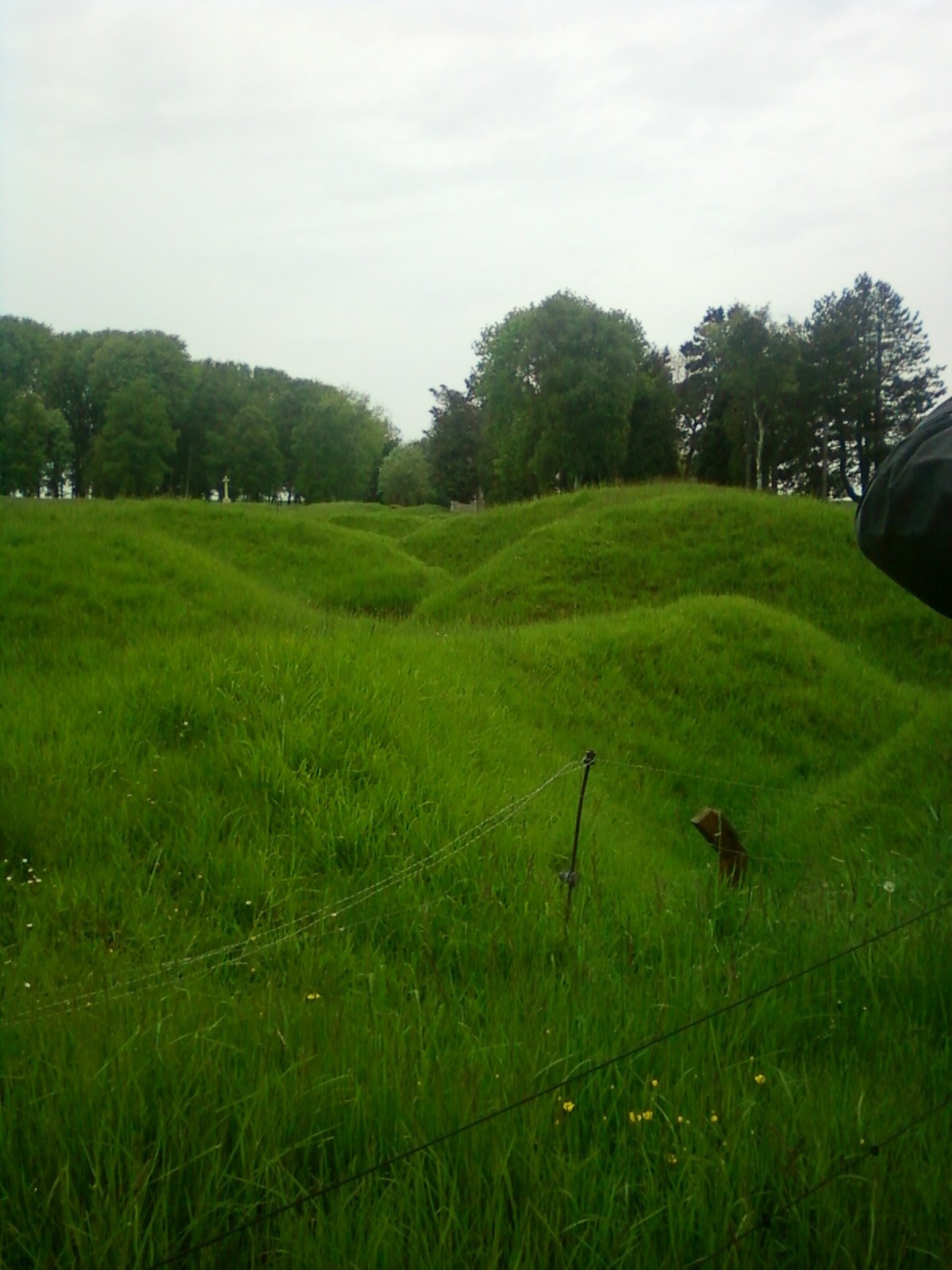
The zig-zagging path of trenches at the Newfoundland memorial
Our last stop was the Historial de la Grande Guerre, where we got to see the uniforms of soldiers laid out in pits of the floor with all of their gear, propaganda posters covering the walls, and artifacts from The Great War. Seeing items that the men once used really strikes a chord in a person, it makes it hard to believe that the war occurred only ninety-nine years ago.
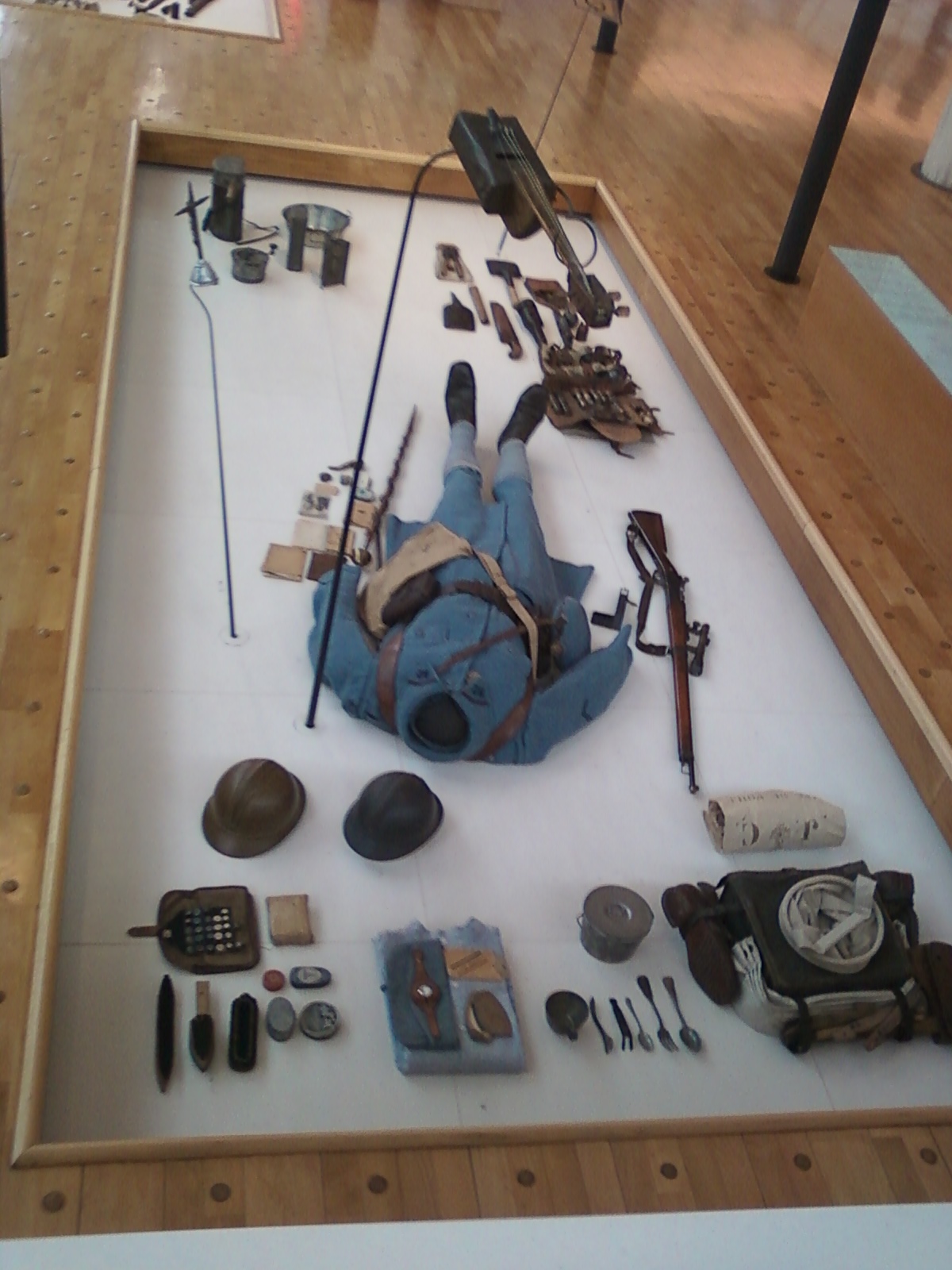
Uniform of a French Soldier – Historial de la Grande Guerre
It makes you really think and feel the pasts setting, the feelings the people had to be experiencing in their time, and how those feelings echo into the present when we look back on our shared history. Everything we saw today brought to light the true meanings of memory and how those memories intertwine with history.
~Stephenie Lynch
]]>