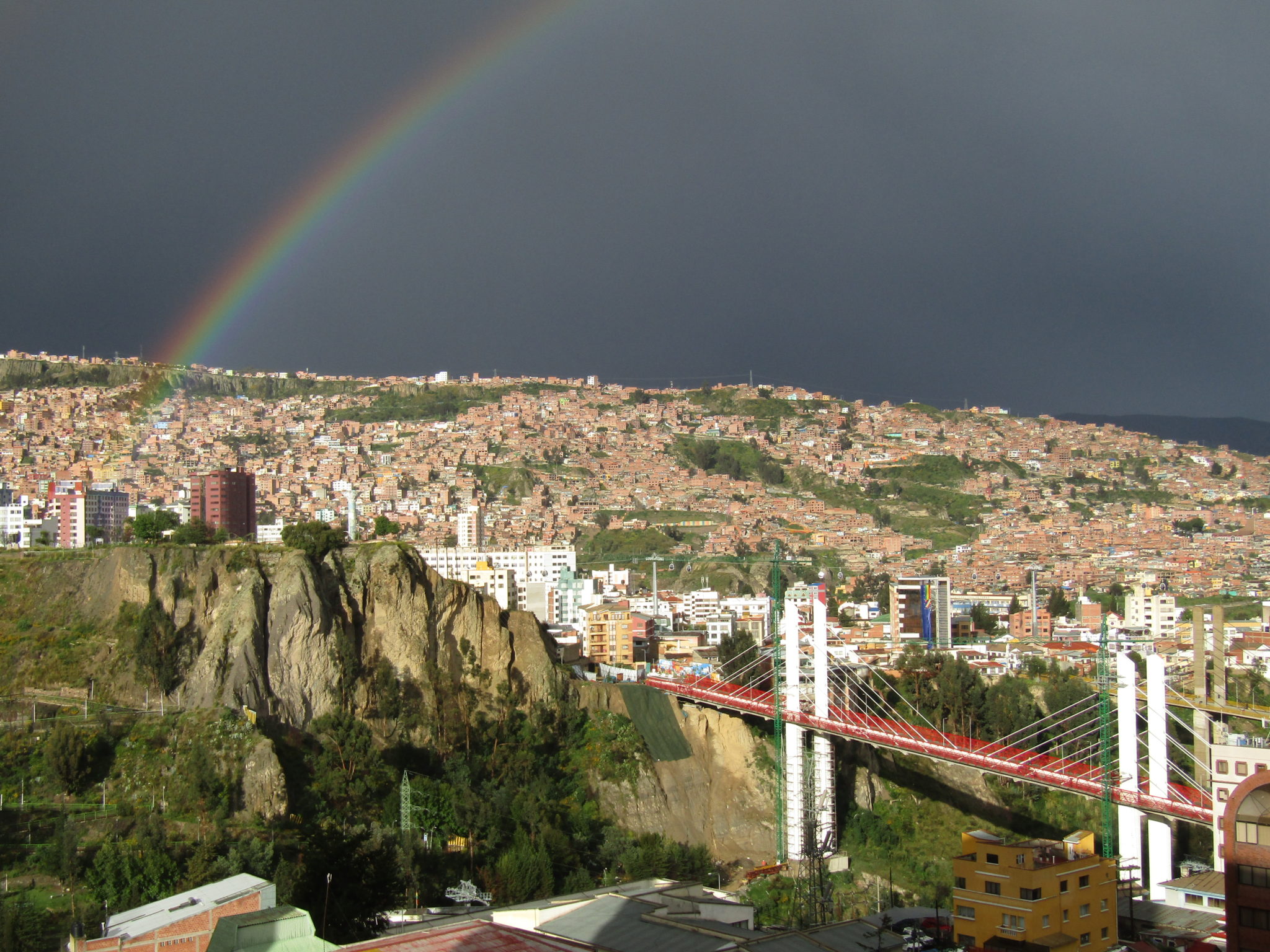
 Before I left the States, my cousin from Chicago called me to talk to me about my travel to Bolivia. He had been deployed to South America for close to 2 years, and Bolivia was one of the countries he visited as a diplomatic bodyguard. He could tell I was nervous about the trip, so he reassured me by telling me that the people were friendly and that my Spanish was proficient enough that I could at least get my point across. “You’ll have so much fun in La Paz,” he had said. “Just be kind to the people, and they’ll return the favor to you.”
Once we entered Bolivia, I realized what he meant. The people were so friendly to all of us, and their hospitality was mind-blowing; I never would have imagined that the Bolivians would want to engage in detailed conversations with us all, whether it be about politics or music. They were just as curious about us as we were about them, which I also never expected. Even when we went to the rural community of Lupalaya, the people were interested in our culture, which is something else that I didn’t expect. It was so much more engaging than sitting there and being talked over to talk to our professors, which is what I was expecting more.
Our travels have definitely left a positive impact on me. I never knew that the people of Bolivia could be so friendly, but they obviously proved me wrong. I now have a better understanding and a higher respect for their culture, something I hope to keep experiencing in the future. One day, I’ll come back, but for now, I’ll keep my Spanish lessons and my cultural observations close to my heart.
By McKenzie Ruff
Bolivia was a great experience and I learned so much. Not only did I learn a lot about the language, but I learned a lot about Bolivian culture too. I think the biggest shock to me was how different the culture was from what 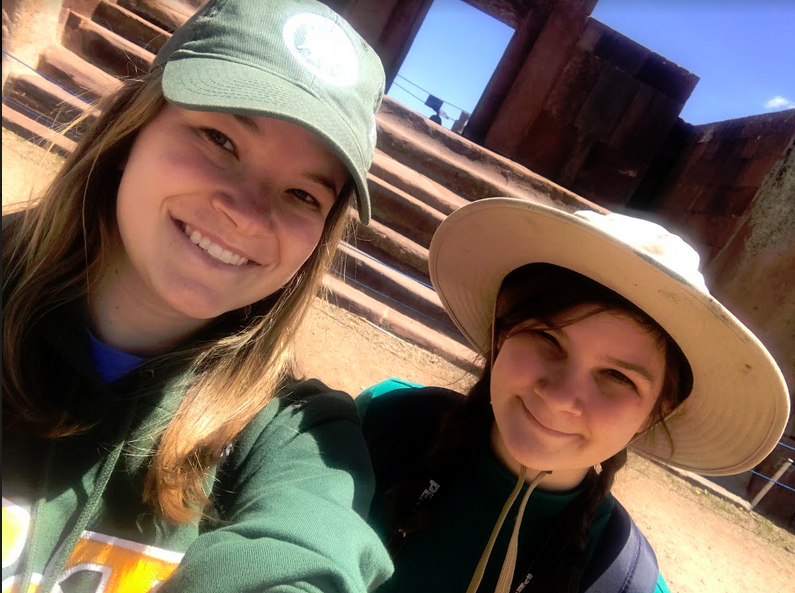 I was expecting, like how open everyone was about talking about politics. Here in America and in all the other countries I have been to, I have never been bombarded with so many political conversations or questions. It was a bit overwhelming and I am not the most open to political conversations because I have some close friends that have opposite political views and it is normally just a topic we avoid. However, almost every single person we talked to brought up politics—not just Bolivian politics, but also American and Peruvian politics. In America, it’s rare to hear about politics in South and Latin American countries, so it was odd to hear how invested Bolivians were in American politics. Another way La Paz specifically was different from what I was expecting was its layout and how massive the city was. It was absolutely breathtaking and I was in such awe when we went on the gondolas over the city or when we went to the outer rim of the city. I got to see and experience so much while in Bolivia and I had a magnificent time learning more about the Spanish language and Bolivian culture. I would love to go back because there were some things I didn’t get to see that I would really love to see.
By Elisabeth Warner
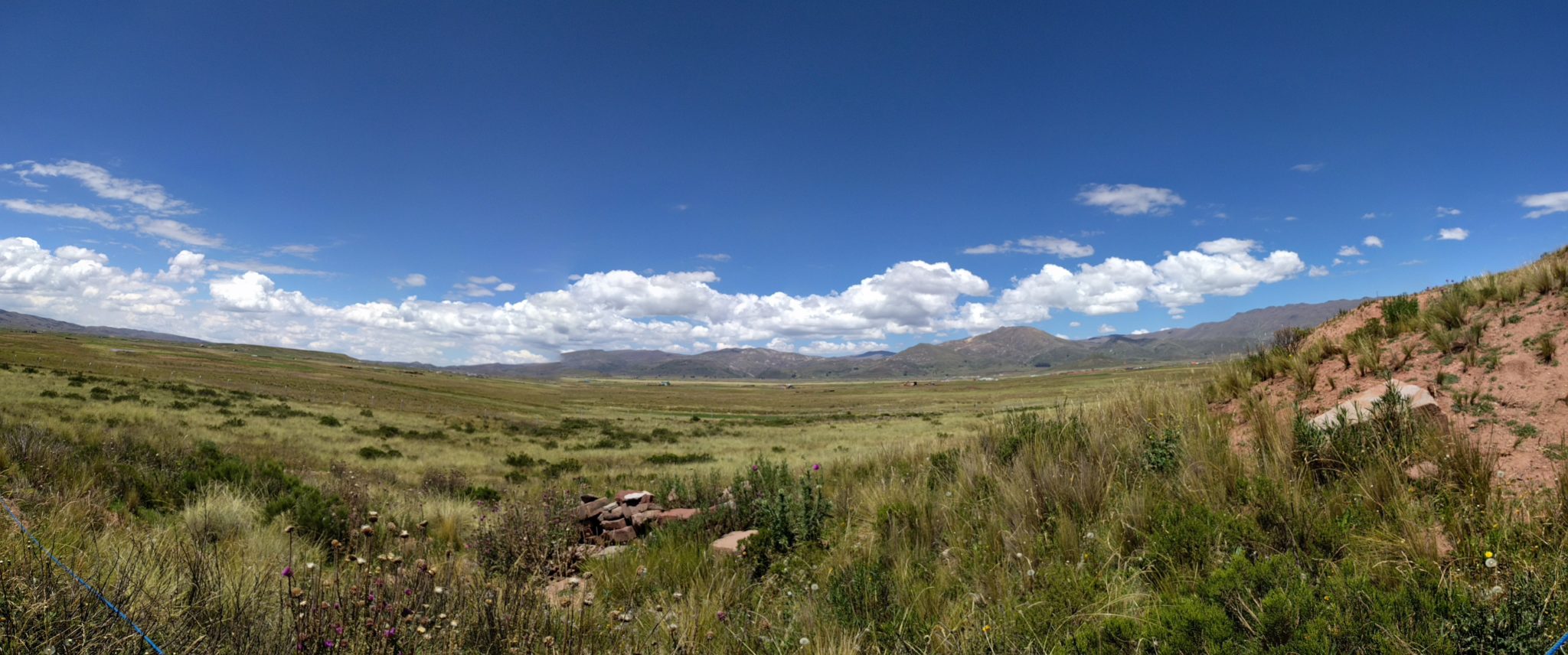 I am someone who has always wanted to travel. I have been to many places within the United States, and I have traveled abroad in Canada and Italy. Bolivia was different from anywhere I’ve been. Bolivians are passionate people, and most of the ones I met were all very cheerful. And very friendly. I had the opportunity to talk with a lady on my return flight, who invited me to visit her hometown next time I was in Bolivia. And that’s how it was most of the time. We were Americans, and stood out from the crowd, but they didn’t care. We talked with them, and they welcomed us.
I think the most unique aspect of Bolivian culture (at least from an American standpoint) was how involved everyone was in politics—how much they wanted to discuss them at any given moment, but especially at meals. Even in the remote village of Lupalaya, politics were brought up over lunch. All of the graffiti was political as well. It changed my outlook on how I view politics here in the United States, and my idea on how involved the average person can and should be.
In January, I couldn’t tell you anything about Bolivia, let alone pinpoint it on the map. Now I feel innately connected to the people of Bolivia, and I believe that I will try to go back one day. Their culture is different from our own, but this isn’t bad. It’s new and exciting. I’ll always be glad that I visited Bolivia.
By Rachel Birchmier
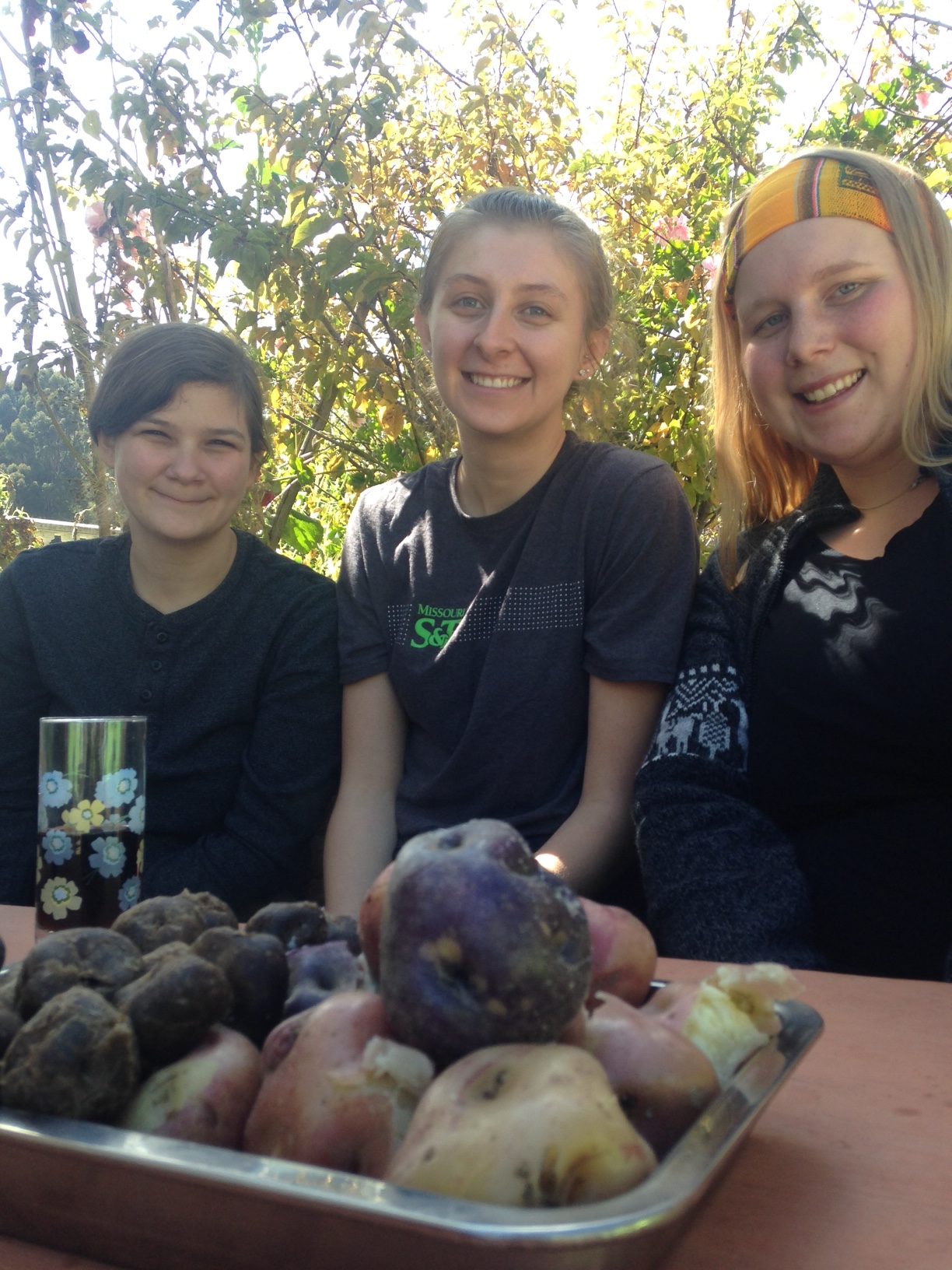 Before traveling to La Paz, Bolivia I didn’t have any solid expectations. Having not traveled far or often I had no basis for expectation except what I had read in books and U.S news sources. Most of what I read was from the assigned book Bolivia in Focus or from the Internet. One thing I learned was how politically involved and informed the people were in and around La Paz. Everyone was informed about the political environment of their own country as well as about a lot of world politics. Most of the graffiti around the city was political and one of the most popular topics for conversation was politics. While I have never minded political discussions, it’s considered a difficult topic in the United States, and I rarely hear discussions about politics beyond the scope of our own country. This trip taught me a lot about the importance of informing myself about events that influence the whole world rather than focusing only on information about my own country. It also taught me about different perspectives. A lot of the information I’ve learned in school and from U.S news sources has a biased perspective. It was refreshing and informative to hear the same news and histories I’d heard in the United States from the perspective of another country. This trip showed me the educational value of travel and allowed me to practice navigating in a new environment. I was also able to practice speaking Spanish and learn about a few of the other languages of Bolivia that I had never heard before. This was a great first travel experience. It inspires me to continue looking for new experiences and to continue to travel in the future when possible.
]]>
Before traveling to Bolivia I had heard that most goods were obtained through an informal trade system and had friends mention the Witches’ Market. However, I was unaware of how extensive the system of open-air markets was throughout the city. One of the first shopping experiences I had was at a supermarket buying bottles of water. The supermarkets were more like a small grocery store or a drugstore is in the United States, rather than a huge covered warehouse with any item you might need. Most of the shopping in the city was centered at these open-air markets that sold everything from fruits, vegetables and fish to clothes or sporting gear. The informal trade was everywhere. There were Easter candies and palm leaves being sold in St. Francis Square, women with baskets of salteñas or carts of fruit in the morning, piles of sweaters and clothes at the Antonio Jose de Sucre Square, and soccer cleats and camping gear in the El Alto market.
I asked my family if there was anything I could bring them back from La Paz before leaving. My mom showed me a picture of a cholita in extravagant clothing and asked me to bring her back a large layered skirt similar to the ones in the photo, which I later learned were called polleras. I didn’t see any polleras for sale along the streets on the way to our other destinations or at the Witches’ Market so I asked one of our Spanish teachers in the morning as well as one of the vendors at the Witches’ Market where to find these skirts for sale. I was told about another market a few blocks uphill from the Witches’ Market. We walked uphill to find a market with stall after stall of vegetables, meats, fish, and bakeries. We continued to walk through the stalls looking for the polleras until asking for directions and learning the market was separated into categories and the skirts were in the opposite direction of the vegetables. There were two stores across from each other with polleras displayed from the ground to the ceiling of the small open shops. There were different styles of polleras; some had layers or lace and others were simple, with solid colors. I learned that layers can signify that a woman is in a relationship, and that showing the lace of the underskirt can signify that a woman is single, although these rules are not strongly adhered to. I chose a layered floral skirt for my mom, which I unfortunately have to tailor myself since I purchased it during the holiday, holy weekend, and the tailor wasn’t working. The pollera will make a wonderful Mother’s Day gift this coming May!
]]>
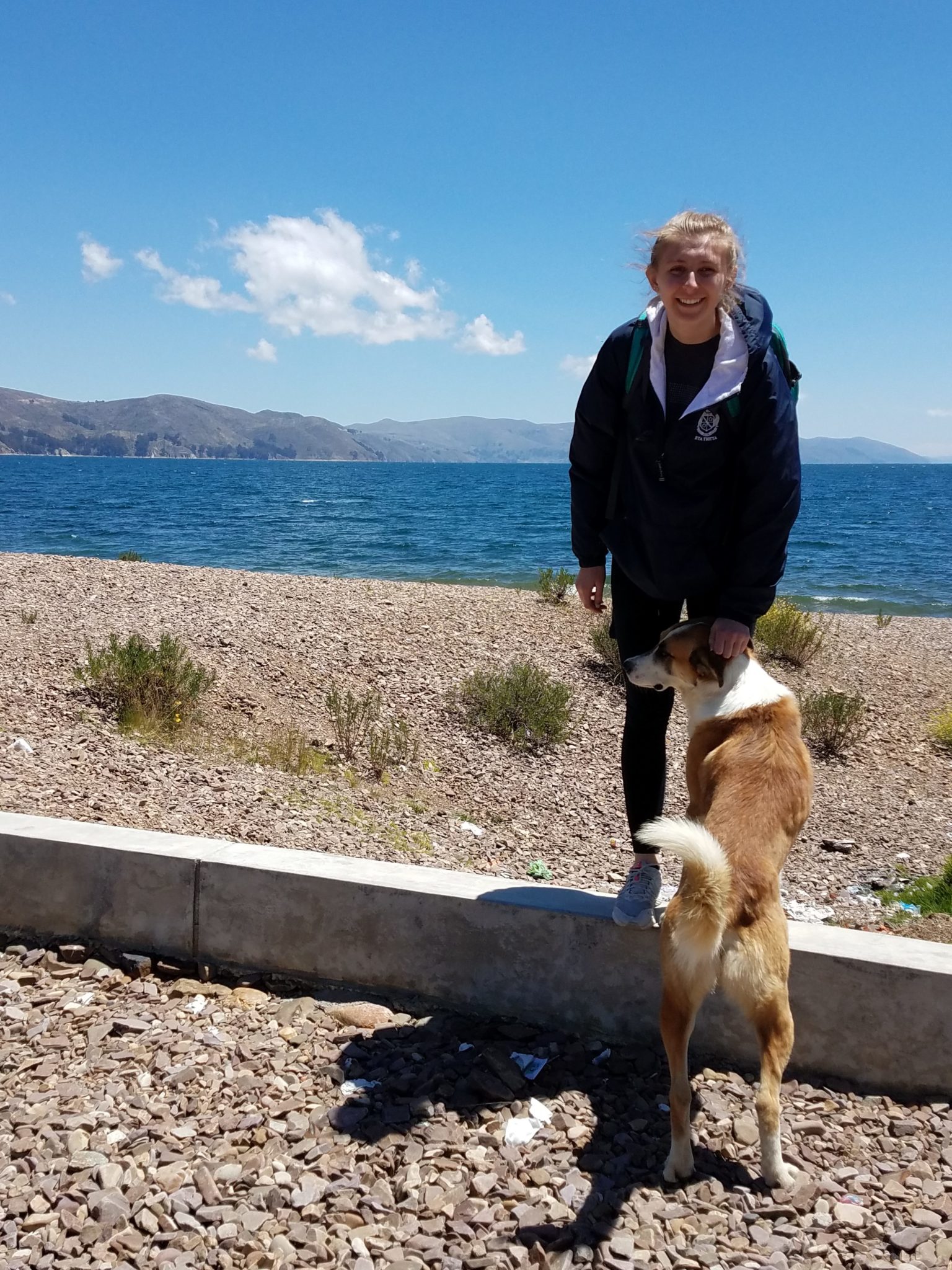
On Thursday March 29, we took a trip to Lupalaya, Bolivia. To get to Lupalaya it was about a 4-hour trip from La Paz, where we were staying at a hotel. Lupalaya is a very rural community right on Lake Titicaca. During our visit, we visited the community’s school and orphanage, talked to leaders and officials, and walked around. We started our day off by looking at the magnificent view of Lake Titicaca. When the community leaders arrived, they gave us a tour of some of the main areas of the community. We started at the orphanage, which is home to over 100 kids. Since we visited during Semana Santa (Easter) the children who lived at the orphanage were not there because they were on one of the few trips they get each year for the holidays. We were still able to see the orphanage. 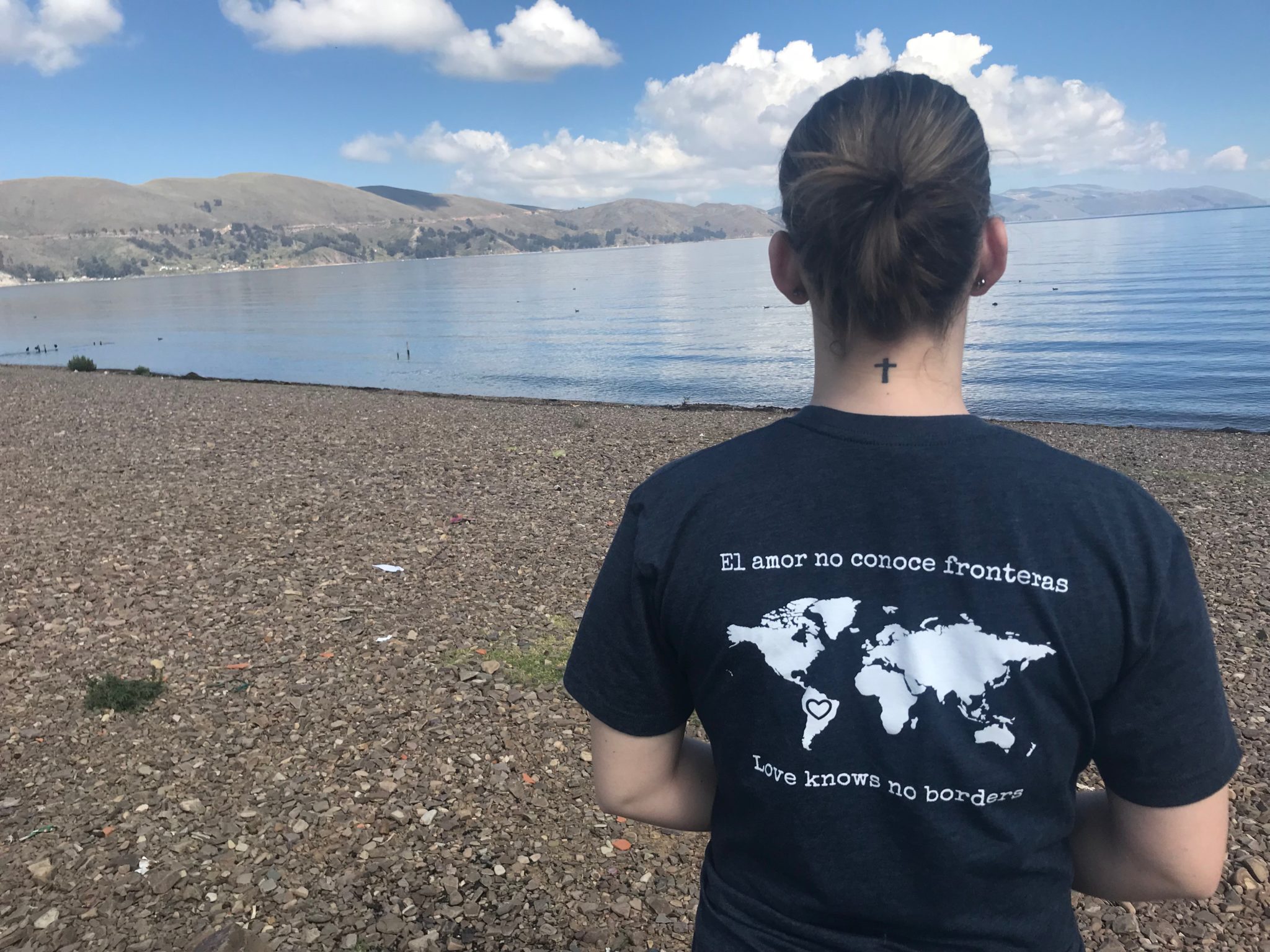 Each bedroom was assigned to a certain gender and age group and contained about 10 beds. Two, maybe even three children, were assigned to a bed. It was sad and sobering to see the amount of space that all the children have because many people would hardly consider a single bed to be big enough for one person, let alone three. We then went to see the kitchen where all the food for the children was cooked. After visiting the orphanage, the leaders of the town prepared a meal for us, which was a traditional soup of Lupalaya. It was very kind and thoughtful of them to do this for us and I appreciated the meal enormously. Next, we went to visit the school. This was cool because we got to see a new building that was just built within the last year that the students can start using whenever they have all of the desks and supplies. The new building was not in use yet, so we went to the original school and walked around the classrooms and saw some of the types of educational activities the students take part in. Lastly, we visited the home of one of the professors from the university in La Paz. He had the best view of the lake! He is passionate about this community and helping them develop and succeed. Overall, I really liked traveling to Lupalaya because it gives such a different feel from La Paz and shows how developing communities live. It also gave us students a new way to look at the world and learn about how other people live all over the world. I am glad we got to experience all the different aspects of Lupalaya like the orphanage, the school, people’s homes, customs, food, and the environment. It is something I will hold dear to my heart from this trip because love knows no borders. “El amor no conoce fronteras.”
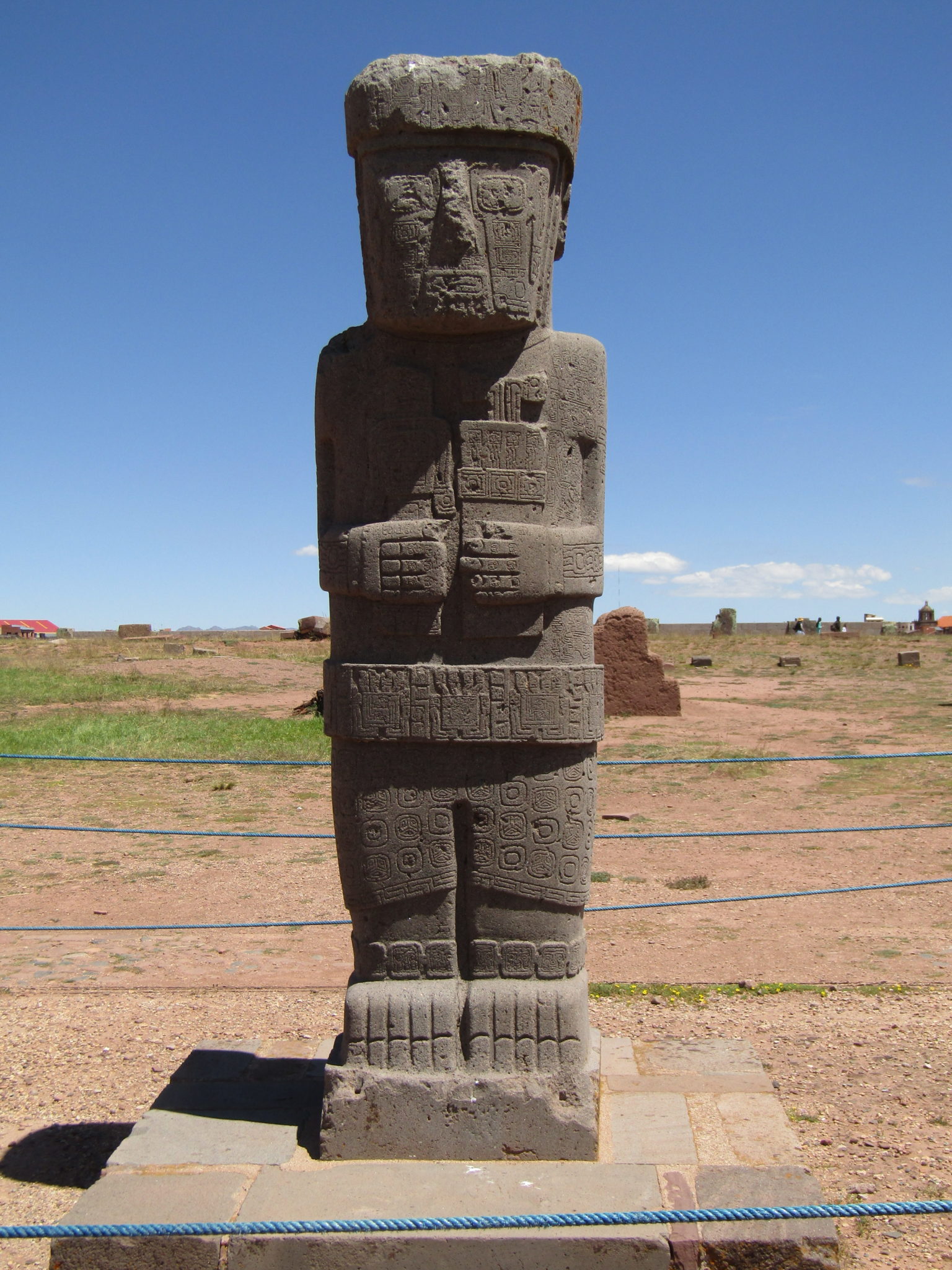 It was impressive to see the ruins of the civilization of Tiwanaku. The structures were surprisingly advanced and intricate, and took a long time to complete. The people were able to carve in perfect symmetry and with 90 degree angles. The stones of the buildings were carved so exactly to one another that there were no gaps between them. The modern reconstruction of some of the walls was less perfectly carved than the original stones. Even some carved indentations in the stone were perfectly square: the sides and bottoms were at all 90 degree angles. Some of the carvings were practical, but most were for religious reasons. My favorite part was that many Aymara people still practice the ancient ceremonies that the people of Tiwanaku did. This was, and still is, a sacred place to them. This made me feel more connected to the indigenous peoples of Bolivia. Seeing their history, the roots of their religion, helped me to better understand them. They had carvings of faces, and not all of them are what we consider to be Bolivian today. Represented among the carvings were faces of African and Asian origin, telling of the diversity of Bolivia even back then. We toured ruins of three temples: upper, middle, and buried. They are representative of the three worlds: the upper world (heaven), the middle ground (the world we live in), and the underground. Everything circled back to their beliefs. Even the shape of the pyramid (upper temple) was representative of their Andean cross. We had an Aymaran tour guide, and hearing him talk about his connection to the temple today is something difficult to put into words.
 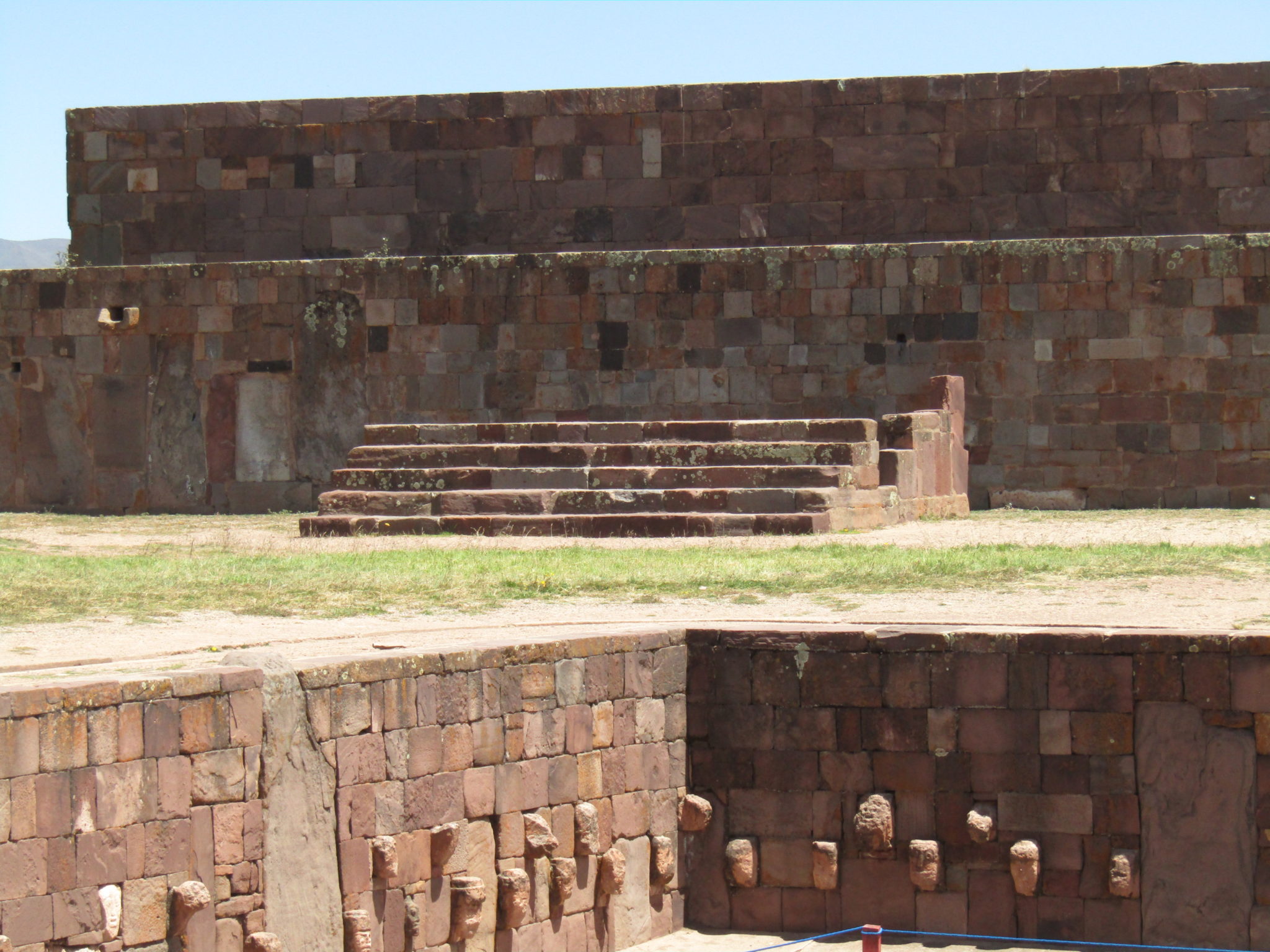 He was able to bring us even closer to the culture of Tiwanaku through his explanations of his culture, his beliefs. The religious ceremonies practiced in Tiwanaku are ones he still celebrates to this day. The temple of Tiwanaku even has a reconstructed altar that they use nowadays for ceremonies. The largest ones are at the equinoxes and solstices. Overall, I was impressed with the dedication of the people of Tiwanaku to their religion. The magnitude of the temples and carvings are a testament to depth of their faith.
I woman that I greatly admire told me once that to understand a culture different from mine, I needed to visit one of their markets. La Paz was no exception to this piece of advice. Before visiting the Witches Market, my friends and I had been warned about the oddities that would await us, but we took the warning lightly. We had no idea as to what we were getting ourselves into.
When we began our journey up the hill, shops and street vendors filled both sides of the road. Alpaca sweater shops, jewelry stores, adventure trip tickets, and modern restaurants were some of the places that we observed as we walked up the hill, and we stopped in a sweater shop to see some of the handiwork of the Andes Mountains. The products were absolutely beautiful, with different colored wools woven into each other to create blocky patterns that danced across the textile. It was expensive, though; one sweater was about 300 bolivianos, with each size being a different price. We left the shop, keeping the price in mind for comparison, and made our way up the second half of the hill.
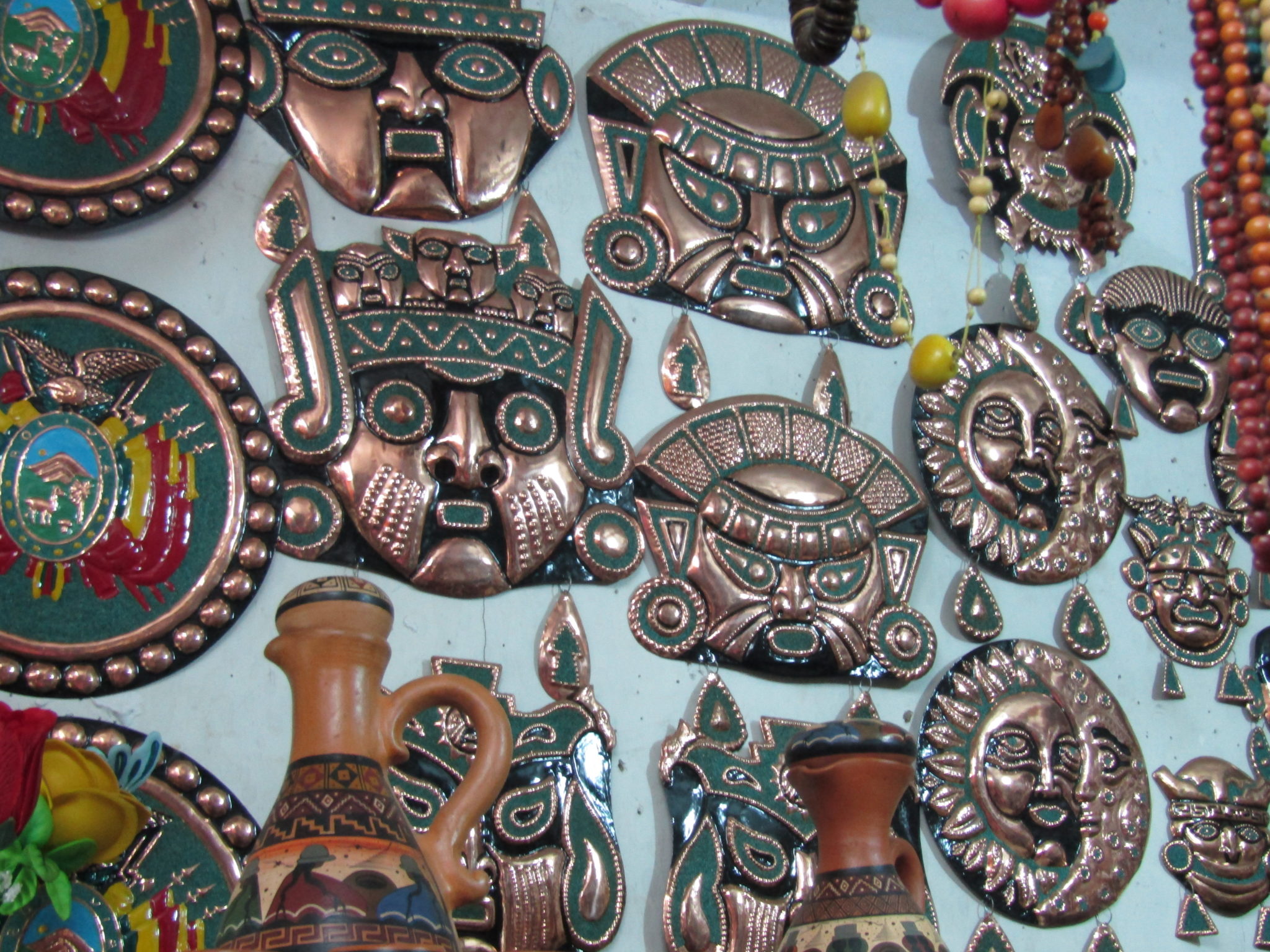 When we finally got to the street that held the Witches’ Market, we were initially greeted by a large display of color. Booths held tapestries, t-shirts, necklaces, little llamas, keychains, and other little items that were typical of an economy with tourism as its center. It drew us farther into the street, where we taught Rachel how to barter and bonded over McKenzie’s search for bolivianite, the national gemstone of the country. After a few of the typical shops, we separated; Rachel and I went our separate way while McKenzie and Elisabeth went deeper into a jewelry store to look for the gem. We realized, however, that as we got farther into the market, the more we understood how it got its name.
There were the typical shops; we found a shop that sold alpaca sweaters much cheaper than the first store that we visited, and purchased some. But there were also shops that a typical Bolivian would visit to conjure a spell for good luck. Dried llama fetuses hung from the ceilings and doorways, to be used for good luck charms and new beginnings. Coca leaves were sold as a medicinal herb, ready for chewing, brewing, or stewing. Amulets and mini charms were displayed like guardians over the store owners, representing protection, intelligence, fertility, and strength. There were things that we had never even imagined being sold for the Aymara and Quechua people, all with historical and societal references that we couldn’t even begin to understand. It was terrifying and awe-inspiring all at the same time.
We found McKenzie and Elisabeth across the street about four shops later, and they seemed weirded out by some of the things that they had seen. We were, as well, but I also found it interesting. The cultural significance of the market opened my eyes to what the Bolivian people believe, and it showed me how American culture differs from the culture of the Andes. As we walked down the street together, we talked about this, and about how we felt observing our surroundings. The consensus was that we all enjoyed ourselves, and we did so much that we went back a second time later in the week.
]]>
 RACHEL BIRCHMIER: I am a senior at Missouri S&T majoring in physics. I am also minoring in Spanish, mathematics, and computer science, to obtain the skills I need to become a better scientist and researcher in the future. I am from Kansas City, Missouri and enjoy studying science, playing sports, and being outdoors. This trip to Bolivia will be my first time traveling out of the continent, but I hope to travel more in the future. I enjoy learning new things and exploring new environments. Traveling is a good way to learn outside of classes and to familiarize yourself with new languages and life skills. After graduation, I plan to pursue my PhD in physics and do experimental research in condensed matter physics. I hope that the skills I learn while studying abroad will help me to better understand and communicate with people while performing research.
 KATLYN MAAS: Hello! I’m a sophomore from Morrisville, MO studying engineering management and minoring in global studies. I love photography and reading about ancient cultures from around the world! If you’ve never met me before, something that you should know is that I’m the first woman in my family to study engineering; all of the other women in my family are teachers!
Although Spanish has been my first love, I took a little bit of French in high school and am in the process of learning ASL. To improve my Spanish, I took my first ever trip abroad in January to Nicaragua, and developed a Nicaraguan accent in my speaking. I wanted to study abroad originally to fulfill my requirements for my global studies minor, in which I have to spend 15 days outside the country studying. But after I left Nicaragua, I was already planning my trip back. It’s an addicting feeling, to feel new experiences you’ve never had before. I now have plans to travel to Peru and am discussing my study abroad options in Spain, but I will keep my first travels close to my heart wherever I go.
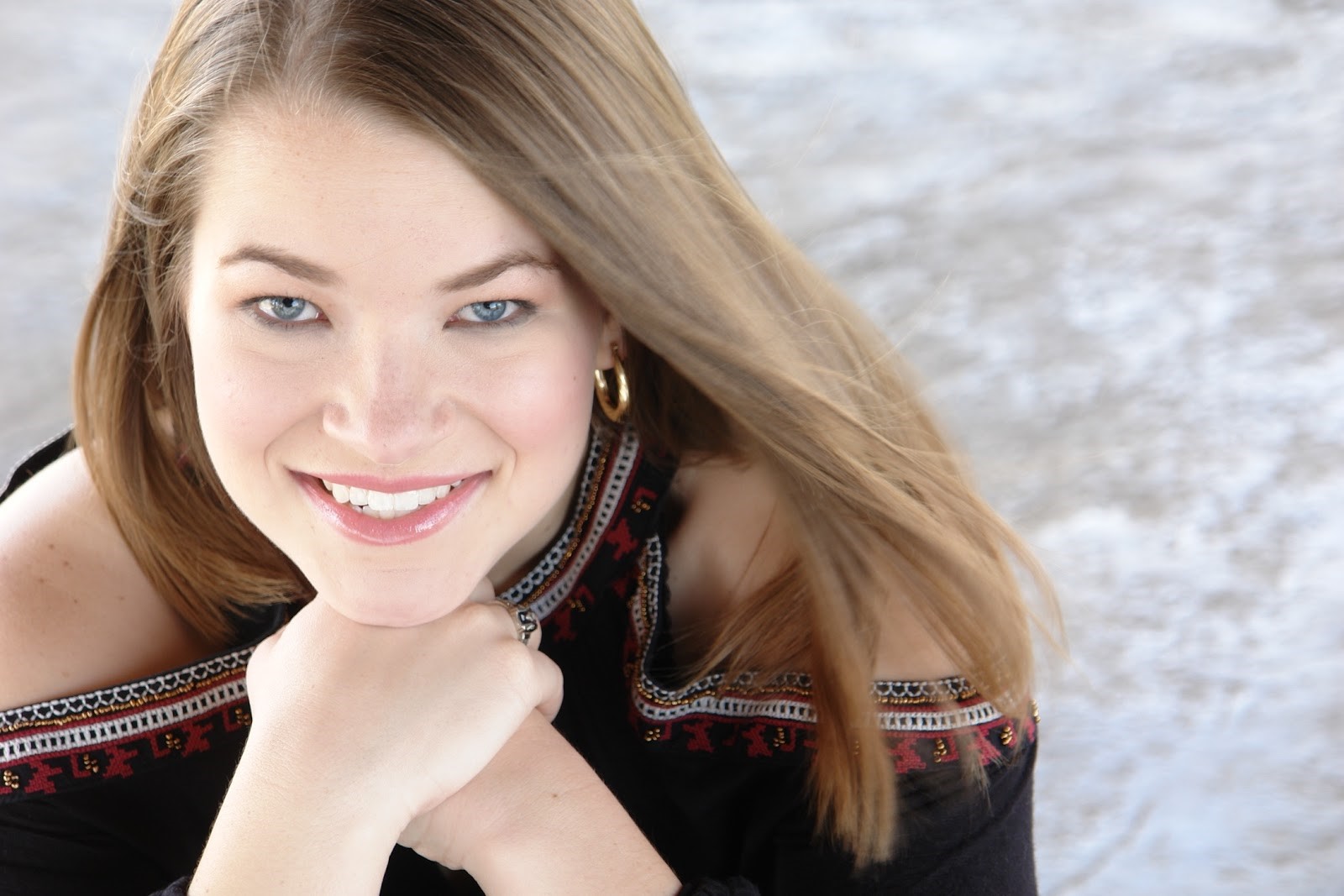
Photo credit: Z. Photography & Design
MCKENZIE RUFF: I am a 19-year-old freshman studying environmental engineering and Spanish. I grew up in Eureka, Missouri where I lived with my mom, dad, and 2 dogs. I am a 2017 graduate of Eureka High School. Growing up as an only child, my parents decided to take me on many trips abroad. These trips started when I was in second grade when I went to Argentina and Uruguay to visit family friends. After that we went on many family vacations as well to other places like Mexico and the Dominican Republic. I learned I loved to travel at a young age and in my freshman and junior years of high school I took the opportunity to do mission work in Guatemala. There, I learned I wanted to become an environmental engineer to help bring potable water to third world countries. The summer before my senior year I did a study abroad in Puerto Rico, confirming my desire to learn Spanish to help with my career goals. My passion of traveling and wanting to learn Spanish has led me to do this study abroad in Bolivia.
 ELISABETH WARNER: ¡Hola! I am a junior majoring in applied mathematics and computer science. My hometown is a small city in North Central Missouri called Gallatin. I chose to participate in this study abroad trip to Bolivia in order to experience a culture and place very different than my own. I am hoping to continue to broaden my views and visit many more places, both abroad and within the United States. I have visited Italy and Canada, and I spent last summer in Yellowstone National Park. These experiences have helped to shape the person I am today.
]]>
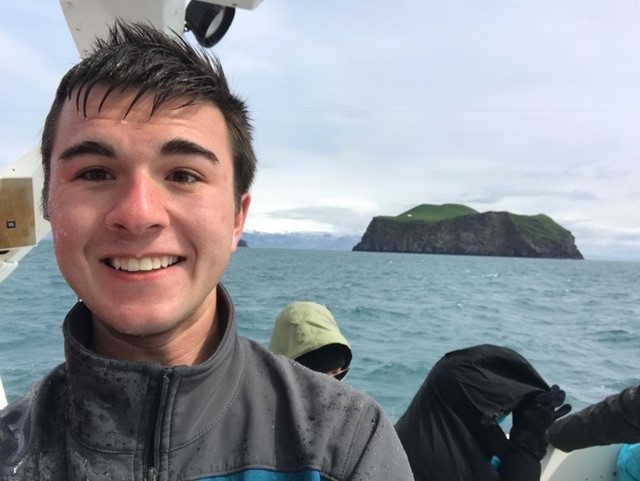

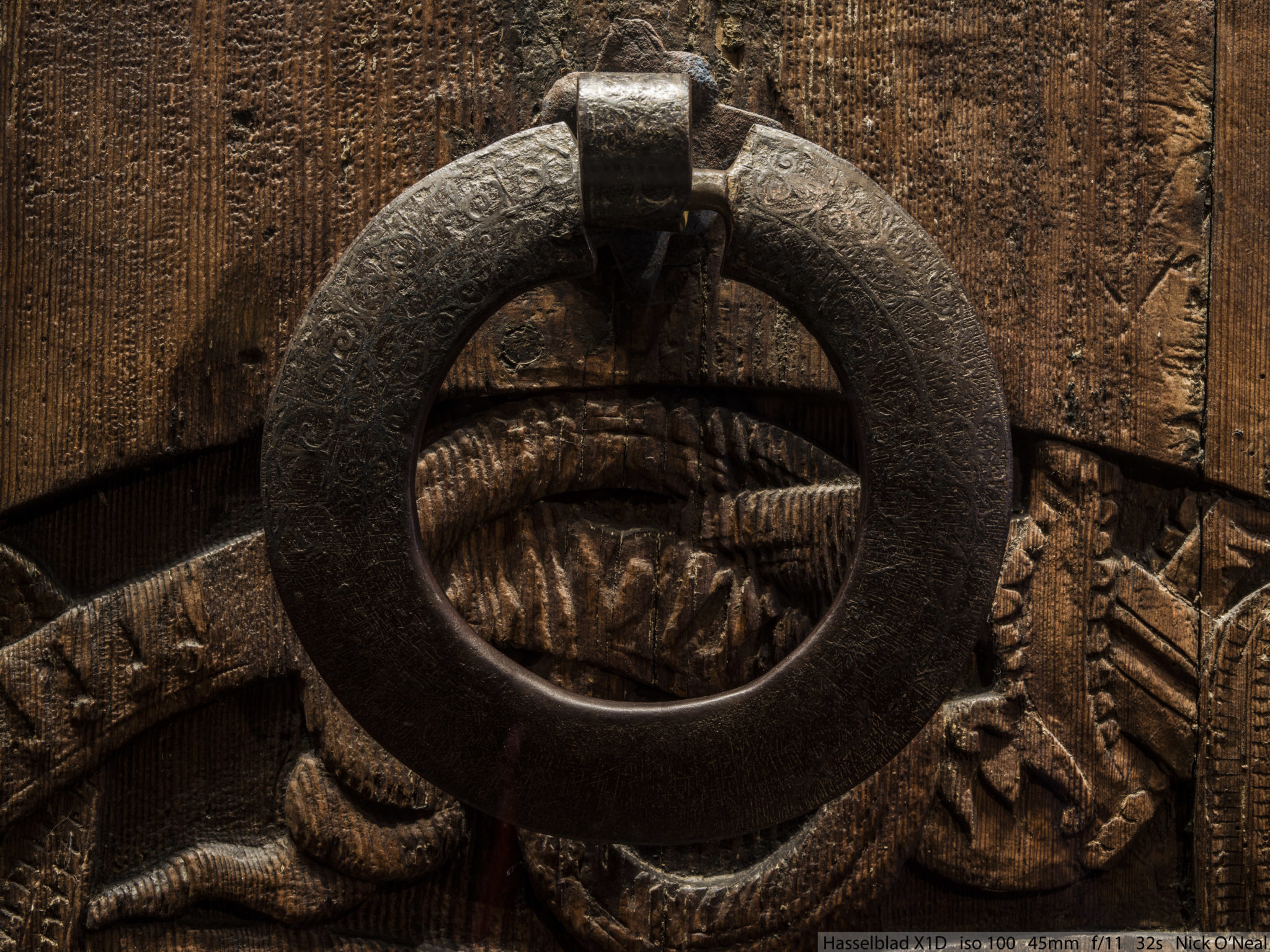
Iceland has a large host of excellent museums. Normally I am not a huge fan of museums, but in Iceland, I found every single museum that I visited quite interesting. The first, and likely my favorite, museum I would like to talk about is the National Museum of Iceland. This museum goes through the entire history of Iceland, from the early settlement period in 800 AD to modern times, with wonderful artifacts for each 200 year period. Below is a picture of my favorite artifact, an 800 year old wooden door with a metal handle. This used to be a door used on many churches back in the day. The photo was taken through glass at f/11 with a tripod and 32 second exposure.
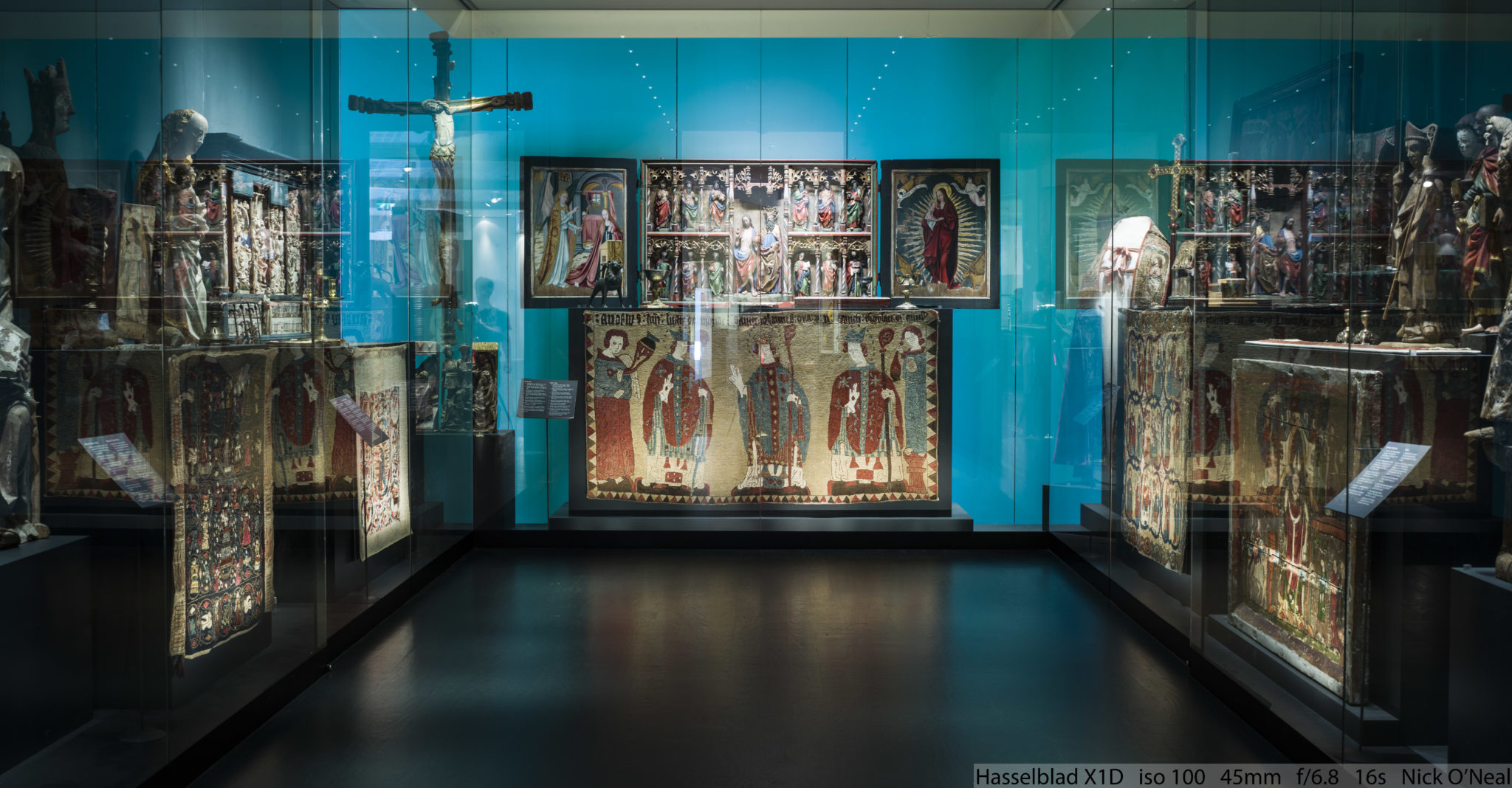
This National Museum of Iceland also contained a Christianity exhibit. The introduction of Christianity in Iceland started in 1000 AD onwards. Because Christian priests would take such good care of robes and relics, only bringing some out for use during certain ceremonies, there are Christian fabric artifacts that are still intact.
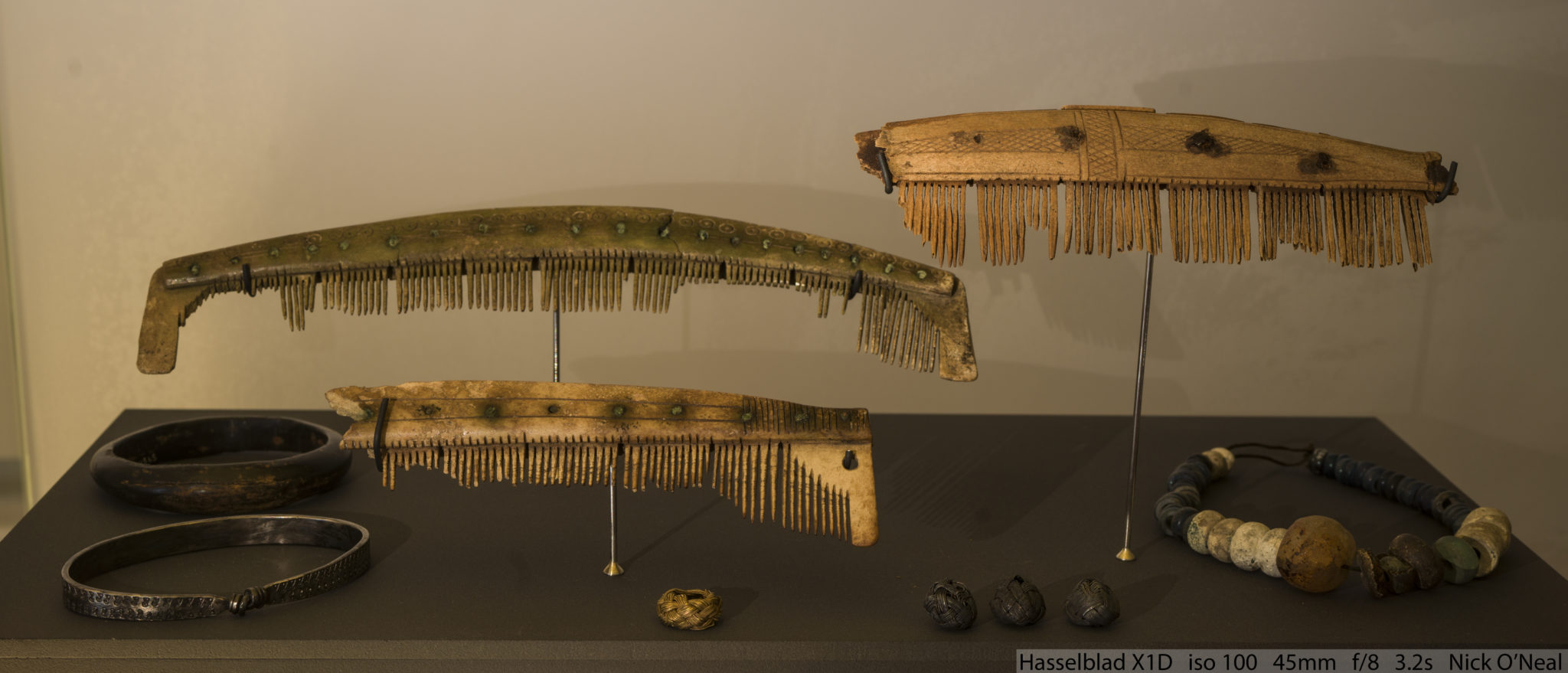
The image below is of some ancient combs made out of bone. I liked the textures of them.
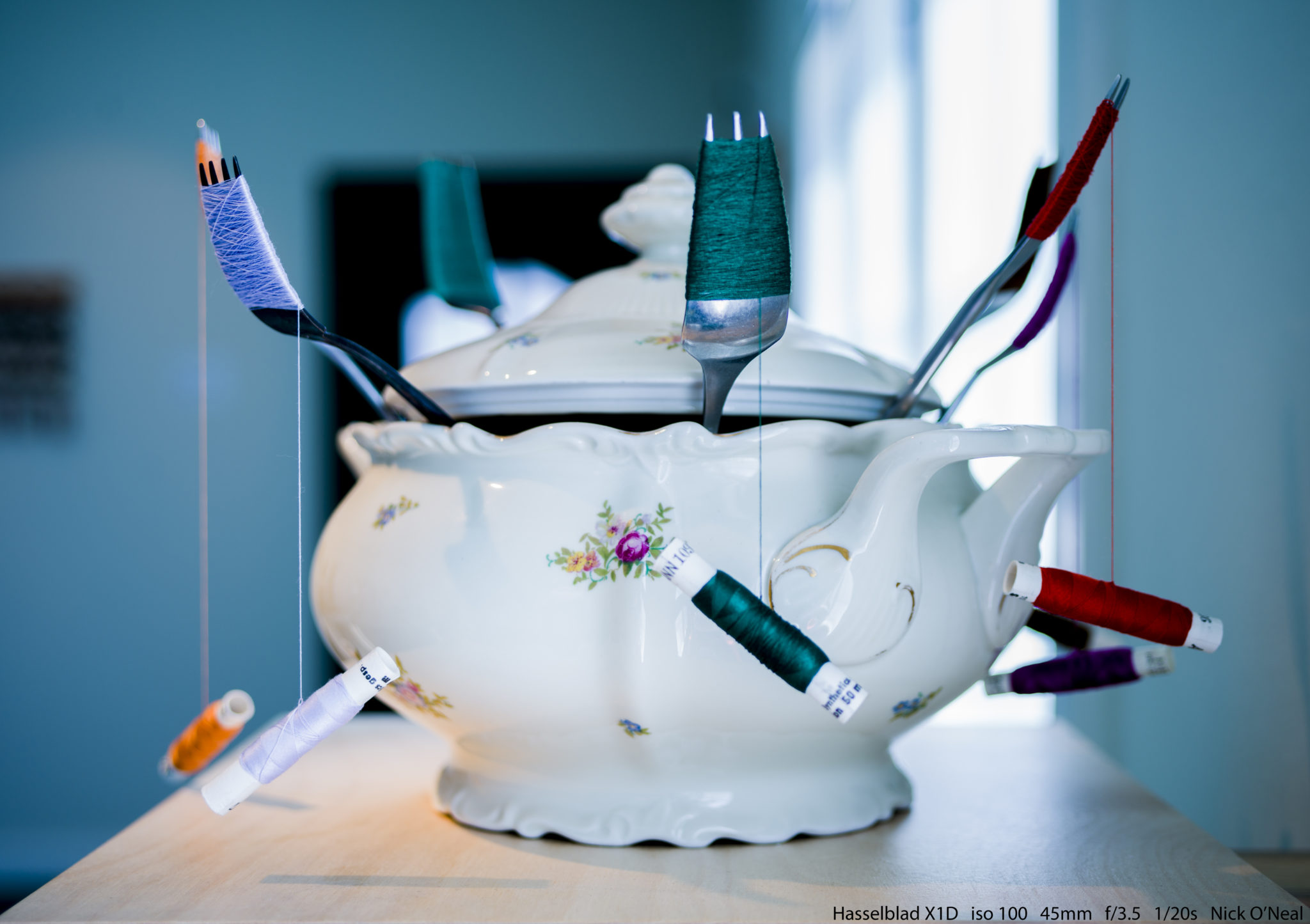
The Culture House is another wonderful museum in Iceland. Both the National Museum of Iceland and the Culture House are connected in ownership, so if you pay for one museum, you are given a free pass for the other. Unlike the National Museum of Iceland, which contains historical artifacts, the Culture House contains more recent day informational exibits such as an exibit on the extinction of the great Auk, and modern art exibits. Below is a work of modern art as an example.
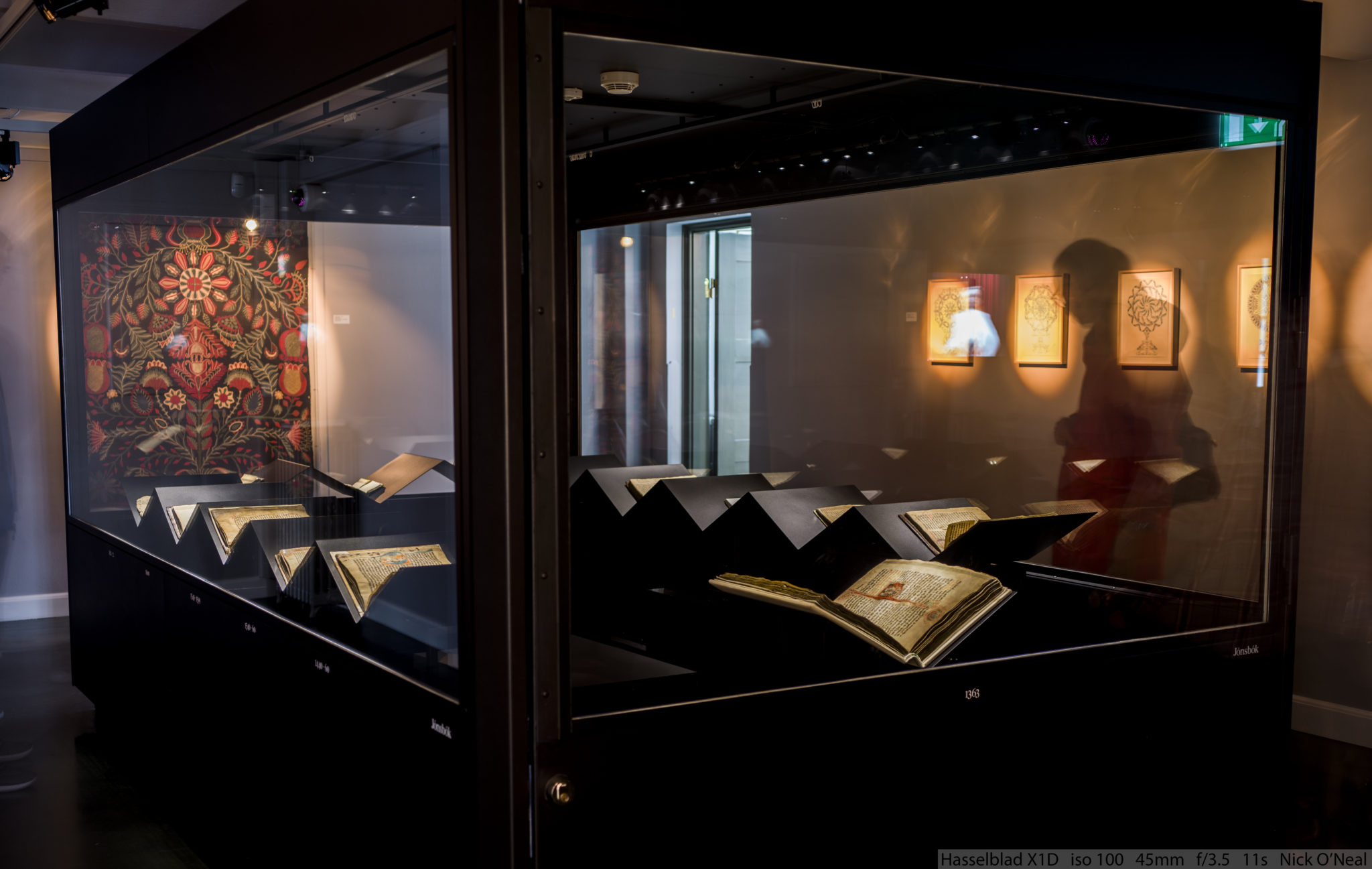
My favorite exhibit in the Culture House was the manuscript exhibit. Our group walked into a very dimly lit room, with the centerpiece being a large glass container housing real manuscripts of the law of the lands from different time periods and in different forms.The manuscripts themselves were breathtaking.
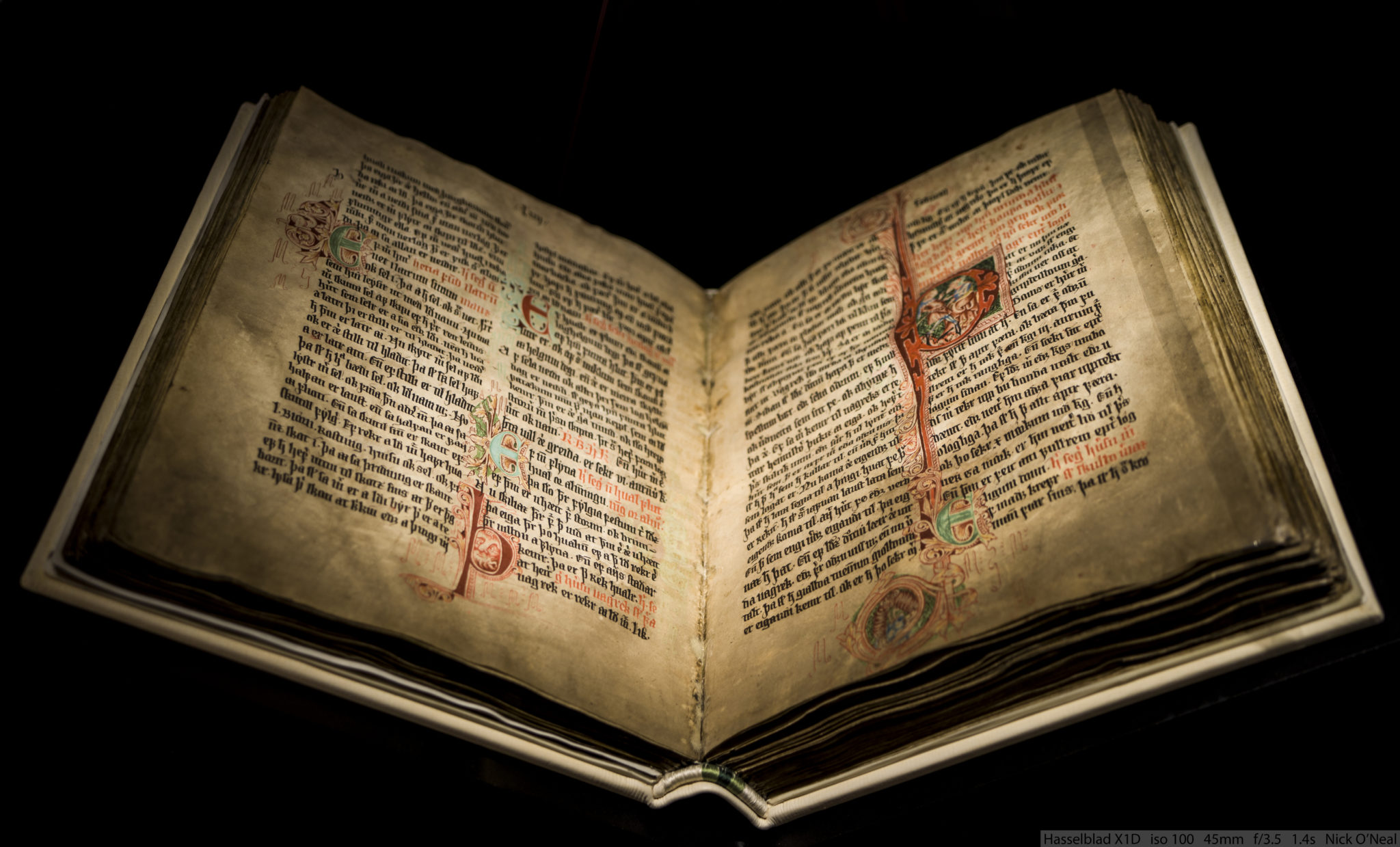
Each of the books is so detailed that one could stare at them for long periods of time, admiring their beauty. Below is a picture of my favorite of the books, which is dated back to 1363 AD.
Another noteable museum is the Laxness Museum. This museum is located in the home of Halldor Laxness, a 1955 nobel prize winner in the are of literature. The museum itself sheds light into the daily lifestyle and tastes of this Icelandic hero. Unfortunately I do not have any pictures to show because photography was not allowed in the museum.
There are three other museums which are all connected, but not by location. These three museums include Hafnarhús, the museum for contemporary art and culture, Kjarvalsstadtir, the art museum from past to present, and Asmundarsafn, an exhibition gallery and sculpture garden.
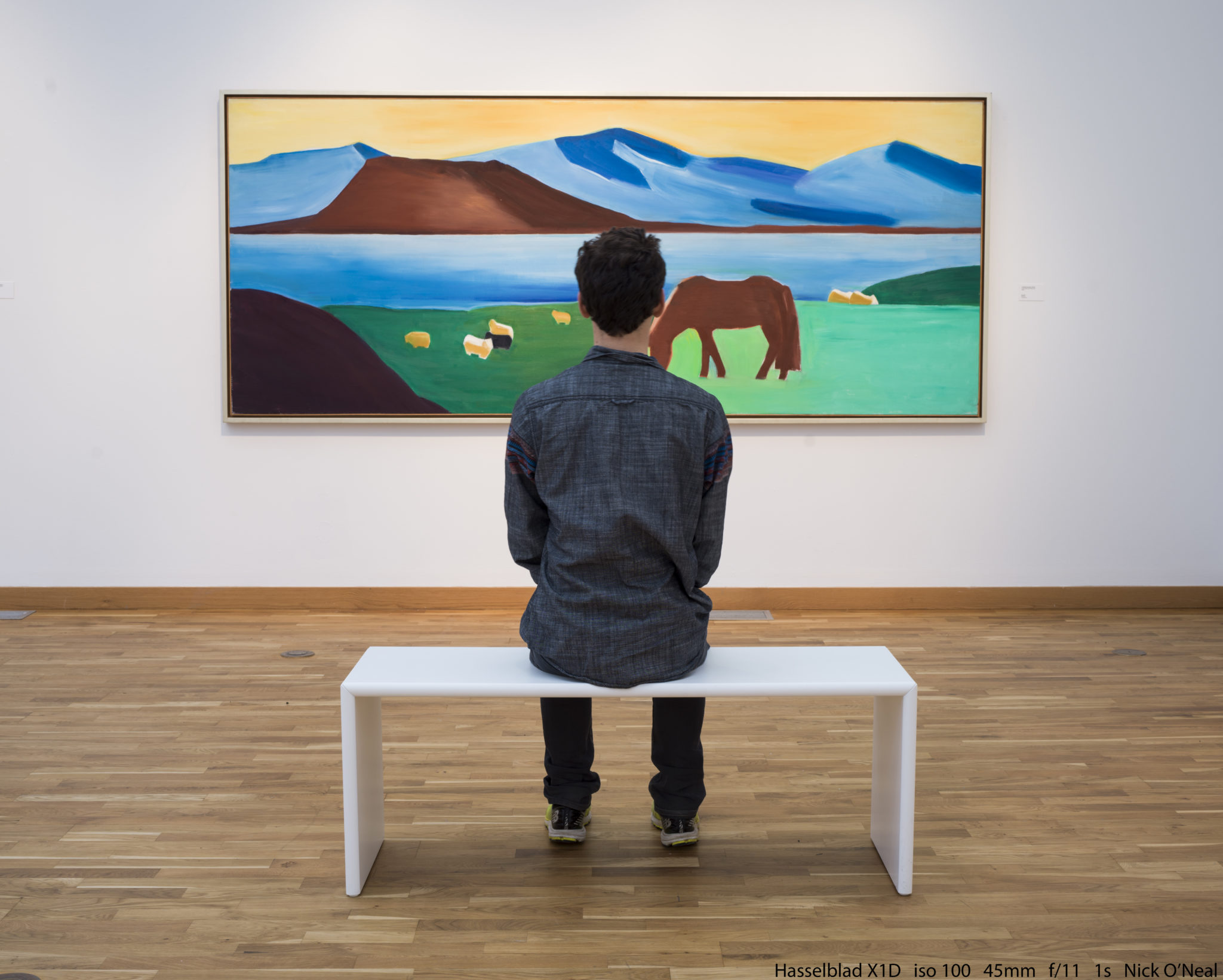
Hafnarhus had very odd modern works of art housed within, of which I do not have pictures because photography was prohibited. Asmundarsafn is the only one of these museums our group did not visit. The last of these three museums, Kjarvalsstadtir, contained wonderful pieces of artwork. Below is a picture of me admiring some of the work in that museum.
Yet another interesting museum we traveled to is the Settlement museum. If you are looking for lots of information about the early settlement period, this is the best museum to go to. It contains extensive knowledge about the early settlers, and even a real excavated viking longhouse. The ruins of the excavated viking longhouse is seen below.

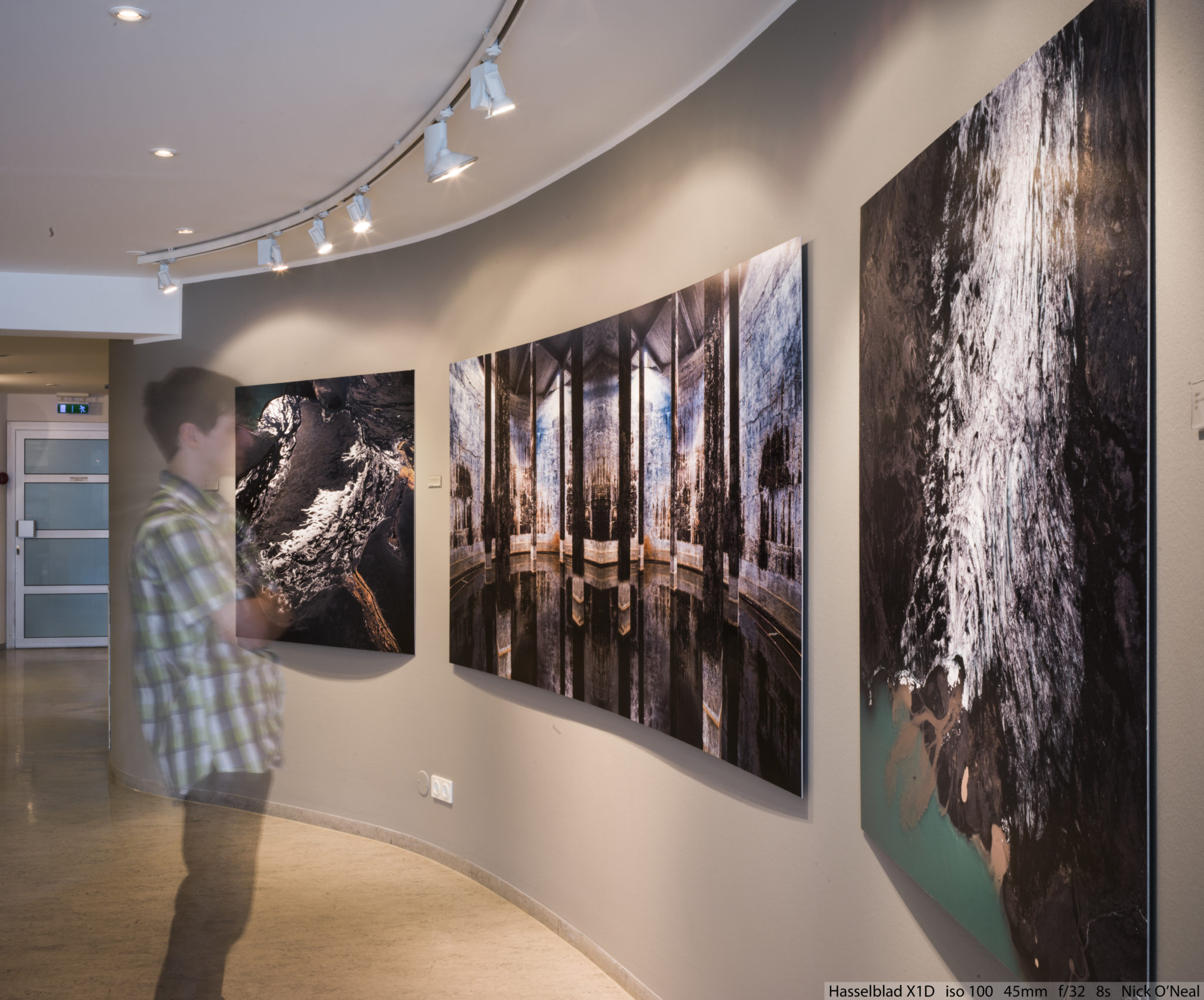
One other museum I particularly enjoyed was the Photography Museum. It was not very large, but what little it did have was of high quality. The current exhibit displayed there when we went was Sigurgeir Sigurjónsson’s Metamorphosis exhibit. Sigurgeir is by far my favorite Icelandic photographer, and his style is the same style I try and emulate; that of extreme texture, detail, and depth. Below is a long exposure image of me admiring his work in the metamorphosis exibit.
Although there are many more museums around Iceland that are worth visiting, these are simply a few of my favorite museums around Reykjavik that I enjoyed the most. If you are planning a trip to Iceland, make sure to visit plenty of museums. Every single one is well worth it.
Blog by Nick O’Neal
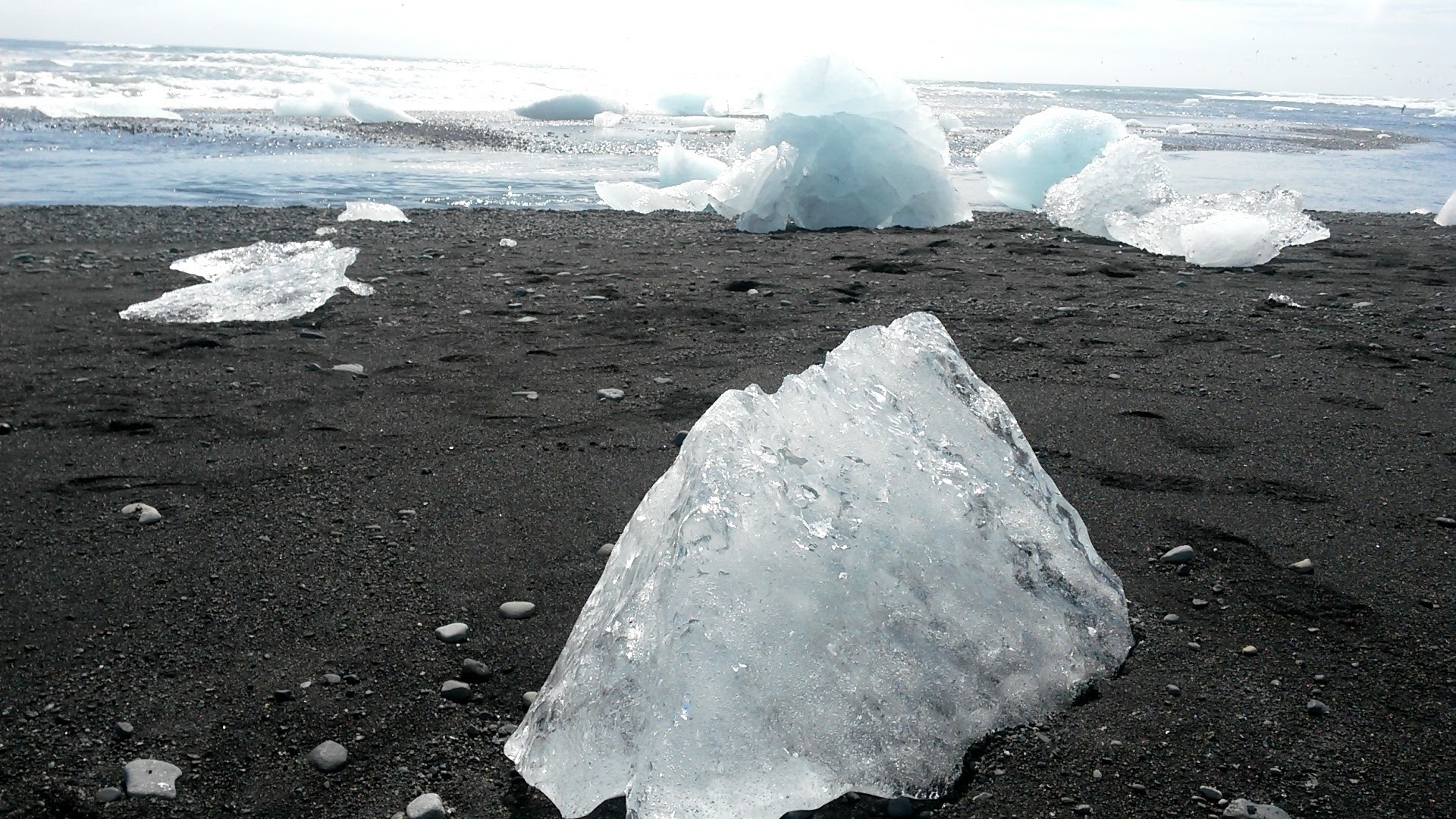
]]>
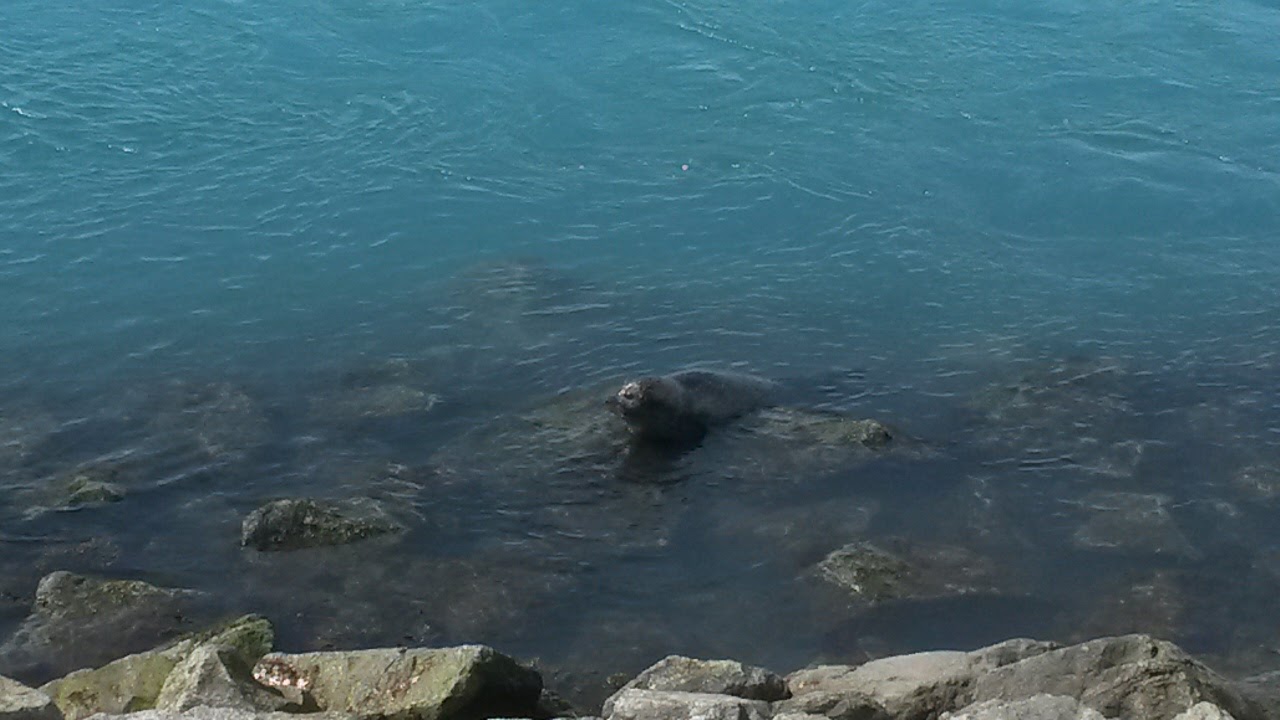
Walking towards the lagoon I saw a large seal swimming close to shore. I believe it was a harbor seal, the most common seal in Iceland. Earlier when we stayed at Berunes Hostel I got to see some seals, but not as close as this one. There were also a bunch of birds called arctic terns nesting close to the parking lot. I didn’t want to get a picture because they were attacking people. I still apparently got too close to one which flew at my head. We learned they attach the highest thing so you should hold something else above your head if they are close to you. They are impressive birds though because they migrate all the way from Antarctica to Iceland.
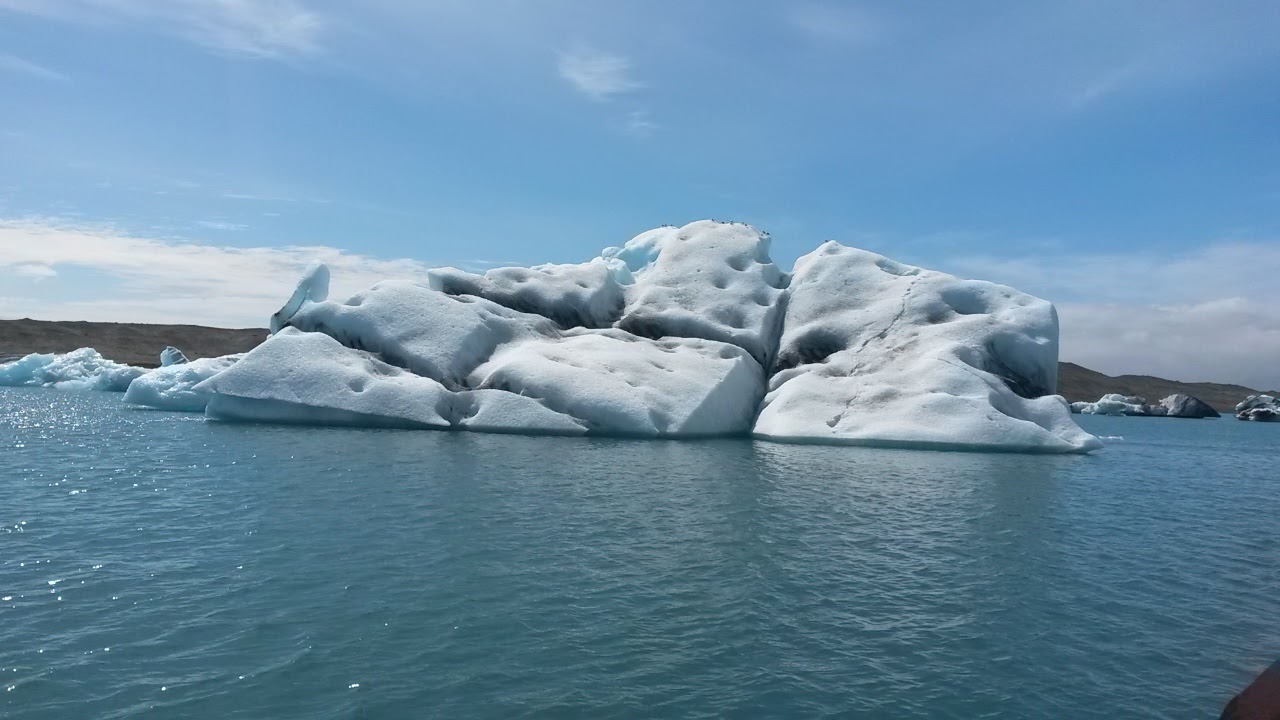
The group then took a boat tour around the lagoon where we could get closer to the glaciers and learned more about the area. We could also get a better view of the giant Breiðamerkurjökull glacier. The lake has been growing because of the retreat of Breiðamerkurjökull, and is now the deepest in Iceland. Our tour guide brought some of the ice on board and we all got to try some. Glacier ice actually melts slower than ice from the freezer because the crystals in it are larger which exposes less surface area on the outside to melt.
The next day after the tour we got closer to a different glacier when visiting Sólheimajökull, part of the Mýrdalsjökull glacier. It is a popular hiking destination and we got to stand on it. Part of the glacier was covered in black ash from a volcanic explosion. Our tour guide, Árdís, recalled how the glacier used to be right next to the parking lot but now it has melted so much we had to walk quite a ways to reach it. In the last decade it has receded approximately a kilometer. It was interesting to see how quickly vegetation was starting to grow in ground that had been covered with ice for so many years. I was glad I got to see it before it melted away completely.

I had never seen glaciers before so this was a very unique experience for me. Watching all of the wildlife was probably my favorite part. With all of the beautiful scenery I could have stayed for a very long time.
]]>